Everest Region Sliders (88)
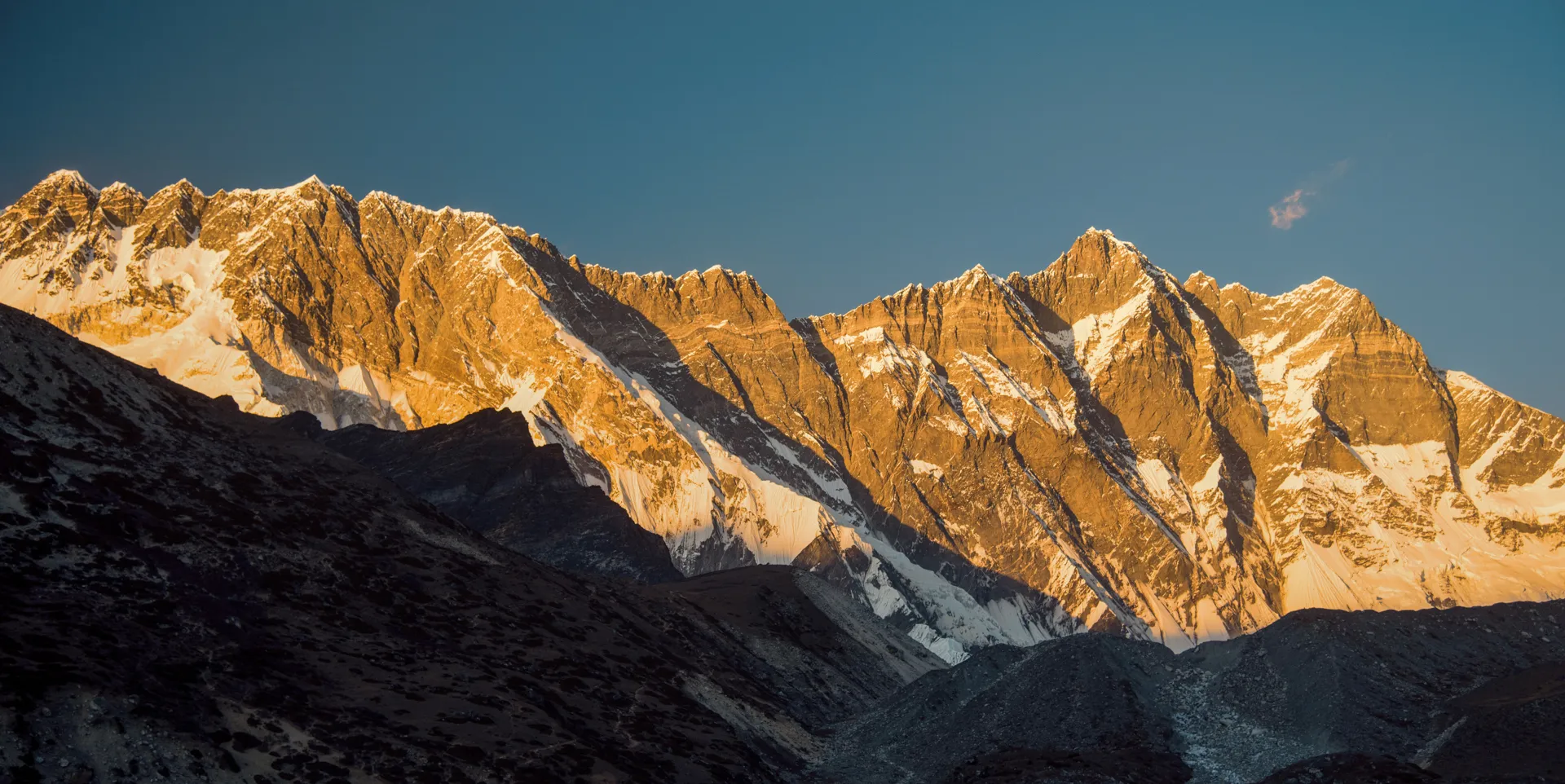
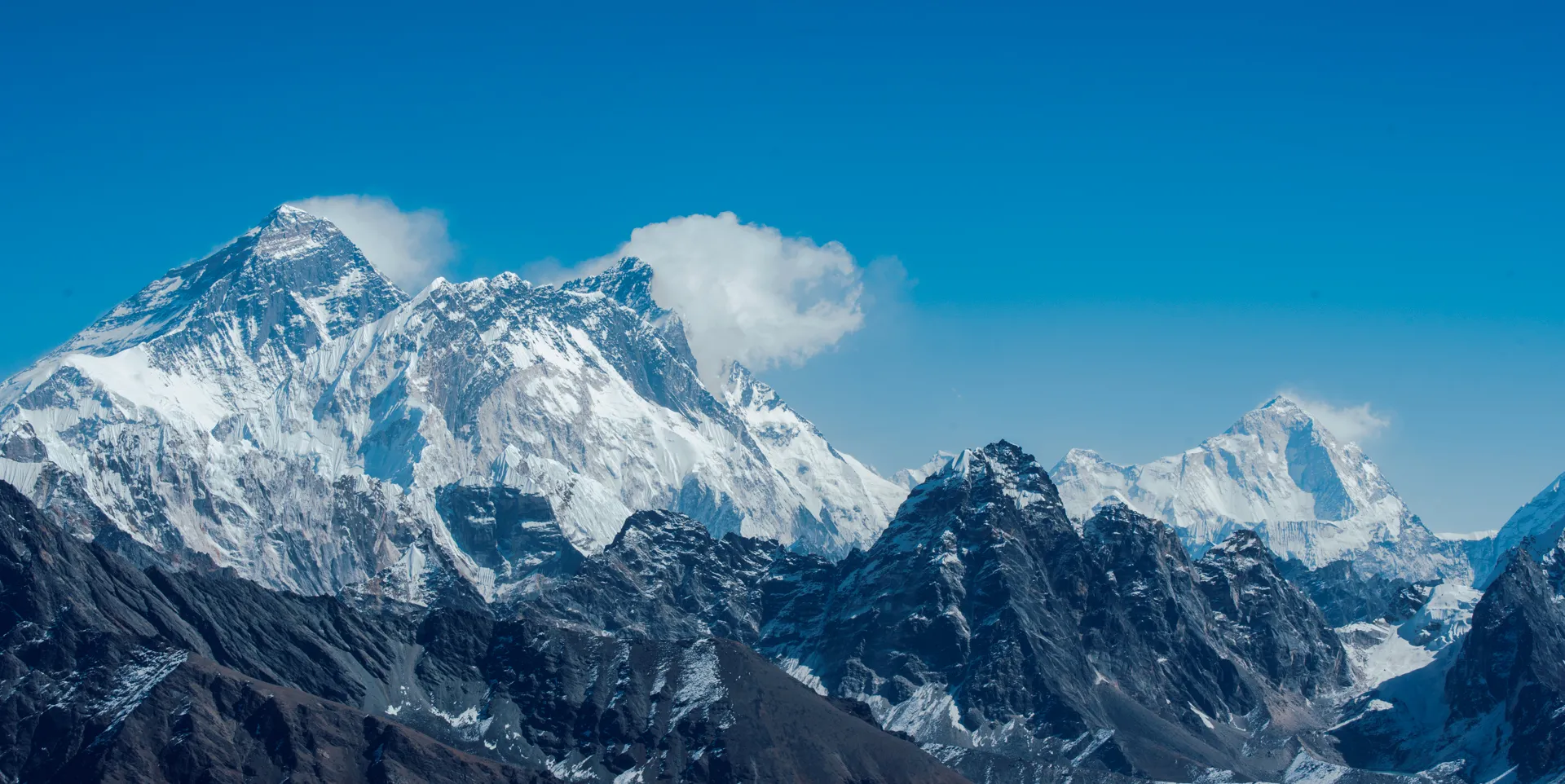
sunset view from Dingbuche
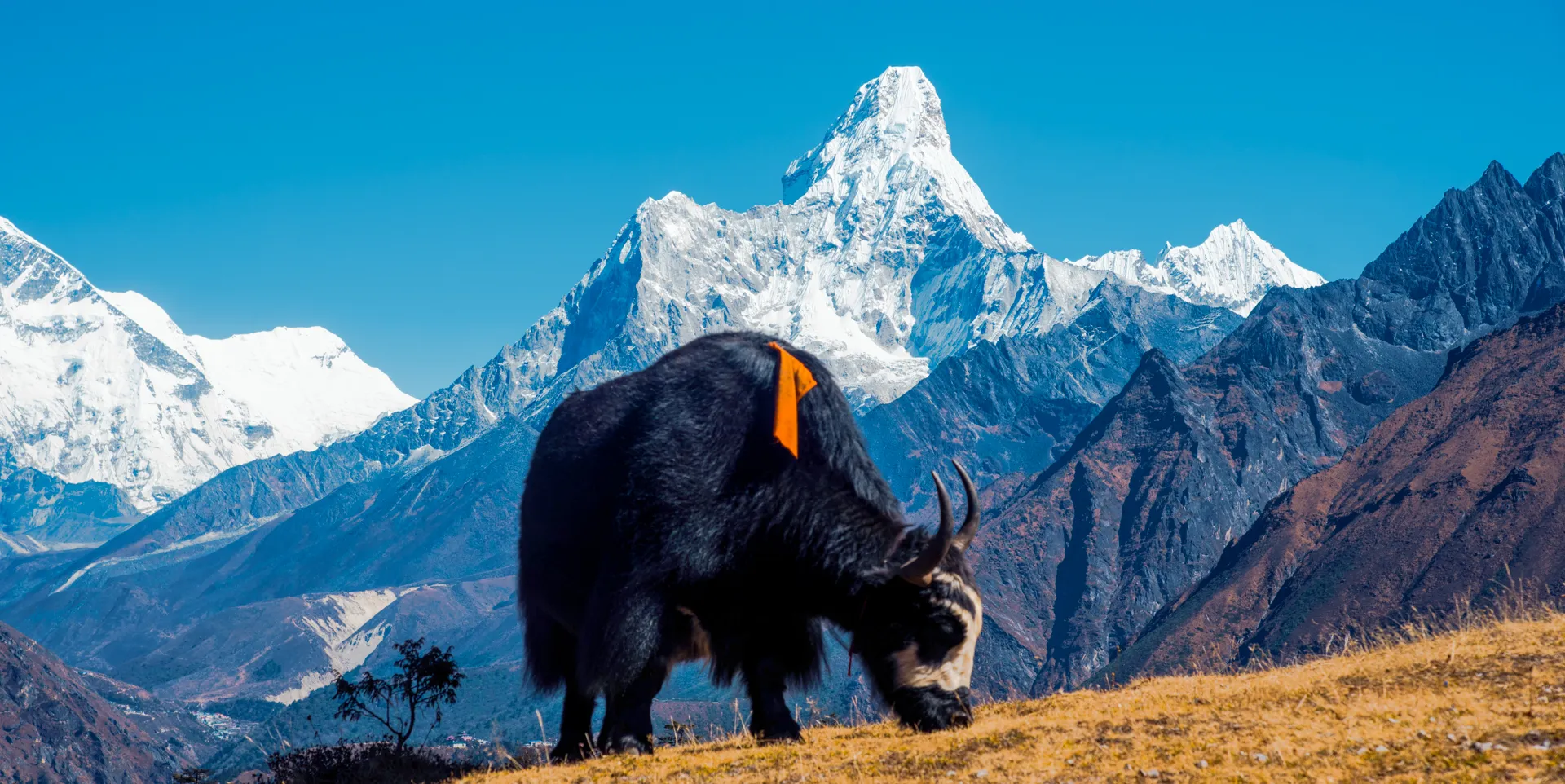
Yak background Amadablam
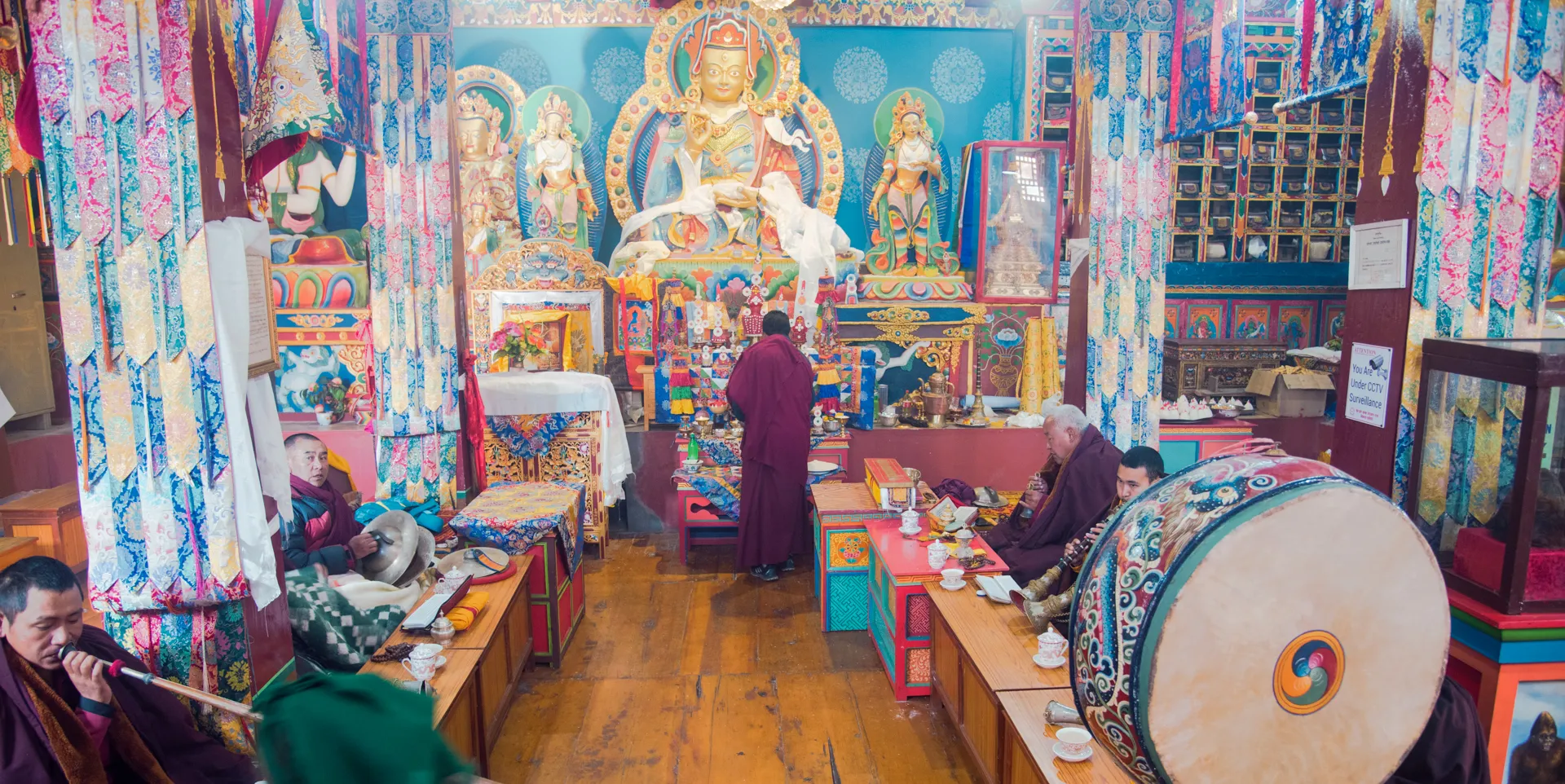
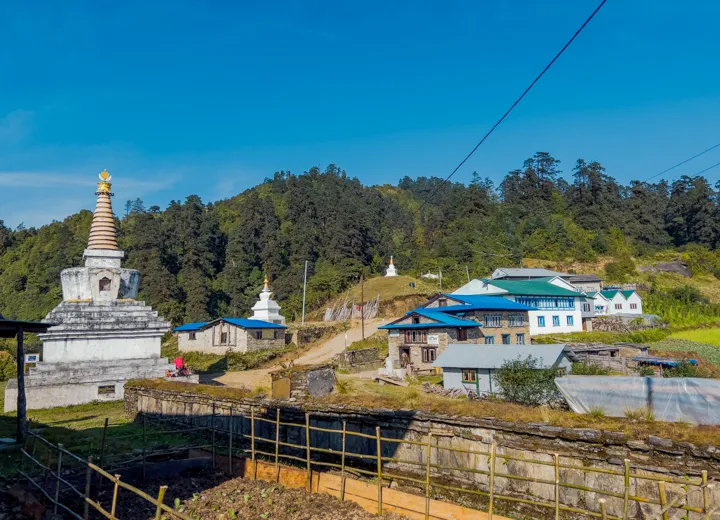
Thame Gomba
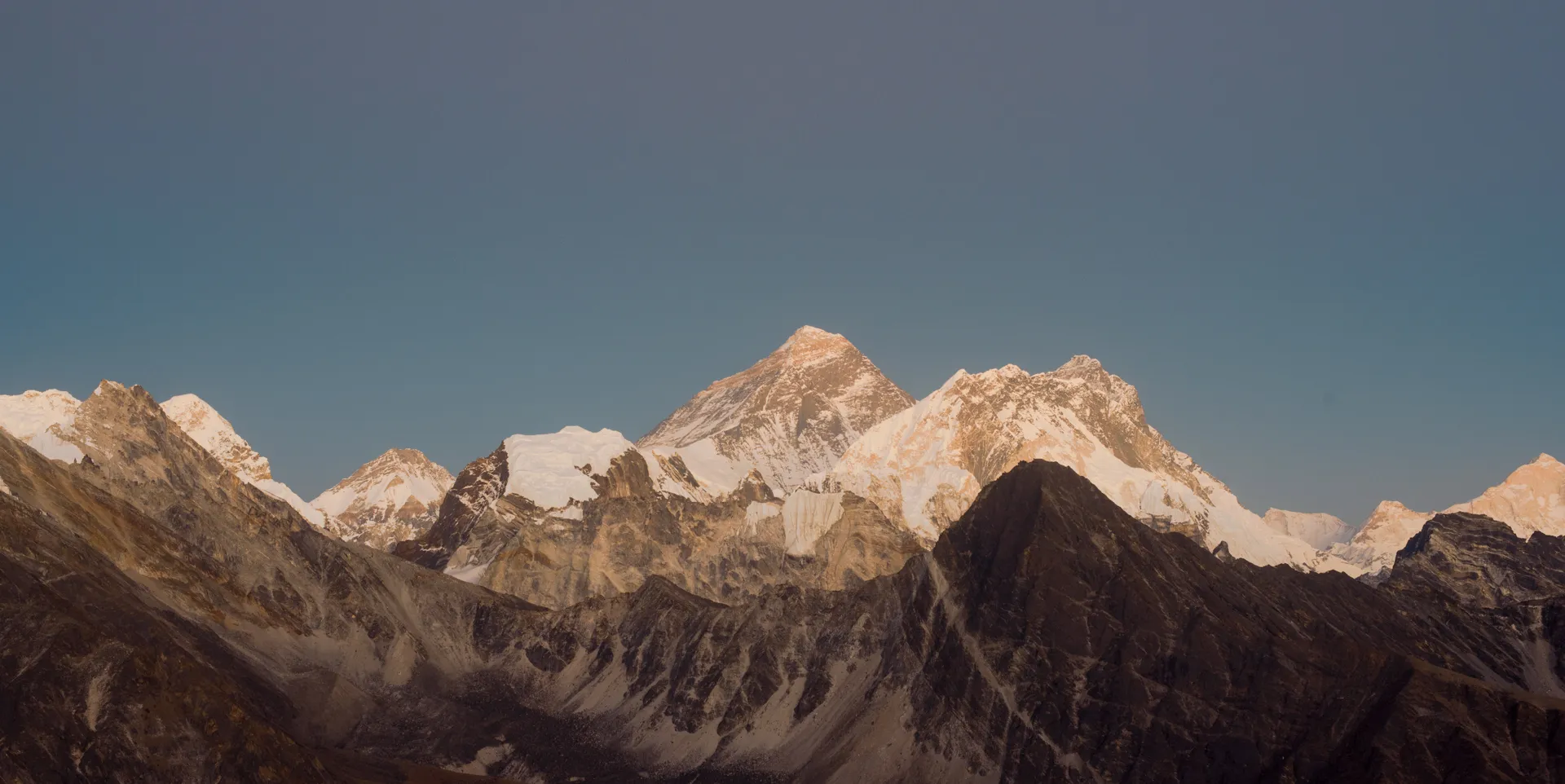
Everest Region Sliders (48)
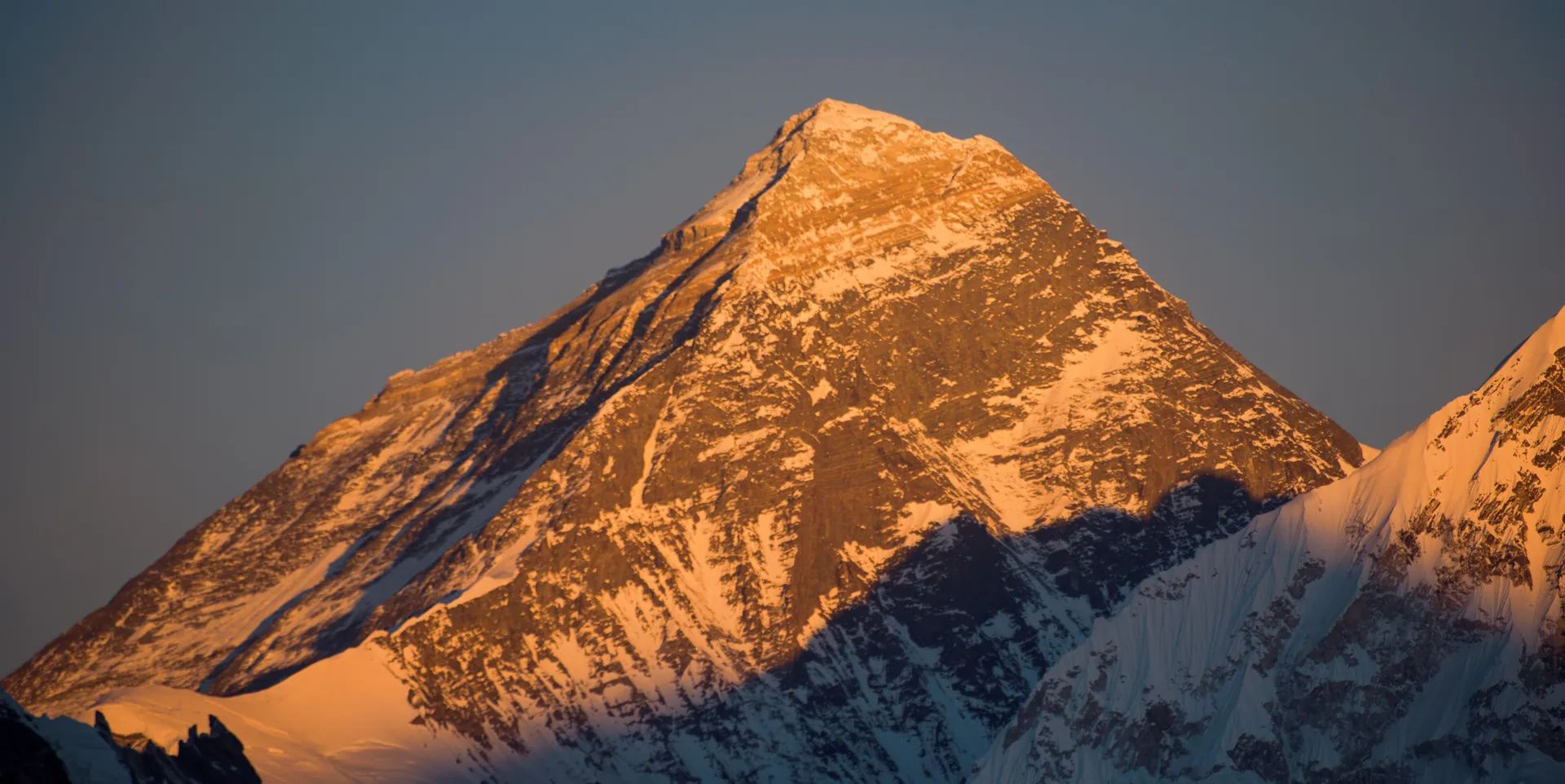
Everest Region Sliders (46)
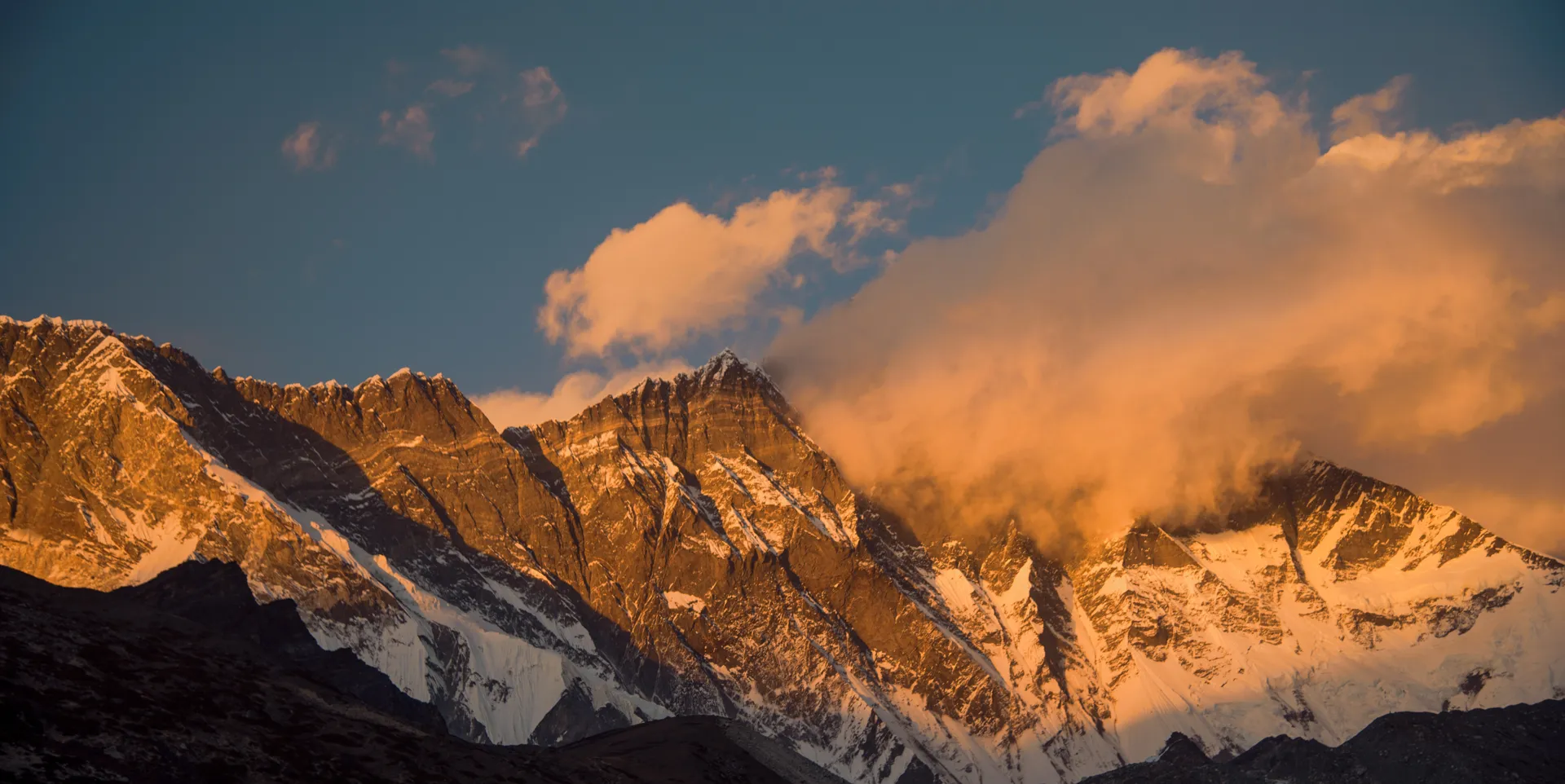
Everest Region Sliders (34)
Island Peak and Everest Base Camp Adventure
Trek to Everest Base Camp, hike Kala Patthar for the iconic views, then step up to a true Himalayan summit on Island Peak.
Island Peak and Everest Base Camp Adventure
Trek to Everest Base Camp, hike Kala Patthar for the iconic views, then step up to a true Himalayan summit on Island Peak.
Duration
21 Days
Max Altitude
6173 m
Difficulty
Challenging
Best Time to Trek
Spring, Autumn
Price From
USD 3480
- OVERVIEW
- ITINERARY
- MAP
- FIXED DEPARTURES
- INCLUSIONS
- GEAR LIST
- FAQs
- GALLERY
- RELATED TREKS
Overview
This itinerary combines the classic Everest Base Camp trekking experience with the excitement of a non-technical Himalayan climbing peak. You start in Kathmandu at Kathmandu Guest House (KGH), fly to Lukla, and follow the famous Khumbu trail to Namche for acclimatization before heading higher through quieter Sherpa villages and into the Imja Valley. You reach Everest Base Camp as a major milestone, then add the famous Kala Patthar viewpoint day for the best close-up panorama of Everest.
After the EBC section, you shift into climbing mode by trekking to Chhukung and moving up to Island Peak Base Camp, where the experience transitions from lodge trekking to supported camping. You will have time to prepare, practice key skills with your climbing team, and then attempt the summit of Island Peak (Imja Tse). It is a rewarding mix of cultural Sherpa villages, legendary Himalayan landscapes, and a genuine summit day.
Highlights
- Classic Everest region trail experience from Lukla through Sherpa villages and river valleys
- Namche Bazaar acclimatization with a scenic hike toward the Everest View ridge
- Quieter cultural route through Phortse for a more traditional Sherpa valley feel
- Imja Valley trekking with big-mountain scenery as you approach Dingboche and Chhukung
- Acclimatization hike from Dingboche to a high viewpoint ridge for safer altitude progression
- Everest Base Camp day visit – a true bucket-list milestone
- Kala Patthar sunrise hike for the region’s most famous Everest panorama
- Island Peak Base Camp camping experience with pre-climb preparation and training
- Island Peak summit attempt – a real Himalayan climbing day with glacier travel and fixed ropes
- A well-paced return through Pangboche and Namche with steadily improving comfort as altitude drops
Itinerary
Day 1 Arrive in Kathmandu | Transfer to KGHOvernight: 1350 m
can rest, hydrate, and recover from travel. If you arrive early, you can take a gentle walk nearby and pick up any last essentials like snacks, lip balm, and a neck buff for sun and wind. In the evening, we keep things calm and go over the trek and climb flow so you know what to expect at each stage.
Day 2Kathmandu | Optional World Heritage SightseeingOvernight: 1350 m
This second day can be used for Optional World Heritage Sightseeing and a relaxed preparation day at KGH. We use the time for a detailed briefing, gear check, and a review of climbing items like boots, layers, and headlamp. Because this is an Everest region itinerary, this day can also be used for the drive to Manthali (Ramechhap) if Lukla flights are operating from there. The goal is to stay flexible and well-rested before the flight into the mountains.
Day 3Flight to Lukla, trek to MonjoOvernight: 2850 m
You fly to Lukla and begin trekking along the Dudh Koshi valley on a lively trail with suspension bridges, pine forests, and Sherpa settlements. This first walking day is intentionally gentle, helping your body settle into the rhythm and altitude without rushing. The route feels welcoming and scenic, with plenty of classic Khumbu atmosphere right from the start. You arrive in Monjo and enjoy a calm evening, ready for the Namche climb tomorrow.
Day 4Trek to NamcheOvernight: 3440 m
Today you enter the Sagarmatha National Park area and continue up-valley through bridges and forest sections as the terrain becomes more mountainous. The final climb into Namche is one of the signature moments of the Khumbu, with the town appearing across the hillside in its amphitheatre setting. After arrival, we keep the afternoon light - warm food, hydration, and rest are the priorities. This is also a great place to settle into the Sherpa mountain-town atmosphere before heading higher.
Day 5Namche acclimatization hike to Everest View ridgeOvernight: 3440 m
A full acclimatization day where you hike higher for views and return to sleep lower in Namche. The Everest View ridge walk is designed to help your body adapt safely while delivering big Himalayan panoramas when skies are clear. The pace is steady and unhurried, with plenty of time for photos and breaks. Back in Namche, the rest of the day is for recovery, warm meals, and preparing for the higher villages ahead.
Day 6Trek to PhortseOvernight: 3800 m
You leave the main corridor and head toward Phortse, a village known for its quieter Sherpa valley feel. The day often includes scenic hillside trails and a sense of moving into a more local, less busy side of the Khumbu. This stage also supports acclimatization because it increases altitude gradually rather than jumping too high too quickly. After arrival, the evening is calm and practical - rest well and keep hydration strong for the higher days coming up.
Day 7Trek to DingbocheOvernight: 4350 m
Today you move into the Imja Valley and the landscape begins to feel more open and alpine. The route transitions away from dense forests into wider horizons, stone-walled fields, and a more rugged mountain atmosphere. Dingboche is a key acclimatization village on the Everest trails, so arriving here usually feels like entering the real high-altitude trekking zone. The afternoon is best kept gentle with a relaxed stroll and early rest.
Day 8Dingboche acclimatization hike (Khongma Ri viewpoint)Overnight: 4349 m
A dedicated acclimatization day based in Dingboche, with a hike up to a high viewpoint ridge above the village. This type of hike is used specifically to gain altitude safely and then return to sleep lower, helping the body adapt before moving higher toward Lobuche and Gorak Shep. The day is paced carefully - steady steps, warm layers, and plenty of hydration. After returning to Dingboche, you rest well and prepare for the next stage into the higher Khumbu valley.
Day 9Trek to LobucheOvernight: 4940 m
You continue higher up the valley, and the environment becomes more stark and glacial in character. As you gain altitude, the air feels thinner and the walking becomes more about steady pacing than speed. The day typically includes powerful memorial areas and reminders of Himalayan mountaineering history, adding a meaningful tone to the journey. Lobuche is a classic high stop and the evening is focused on rest, warmth, and preparation for the Everest Base Camp day.
Day 10Trek to Gorak Shep | Visit Everest Base CampOvernight: 5165 m
You trek to Gorak Shep, your highest lodge-based stop, and then continue on a day walk to Everest Base Camp. Reaching base camp is a major milestone - you are standing at the legendary staging ground for Everest expeditions in a dramatic glacier environment. After spending time at base camp, you return to Gorak Shep for the night because sleeping lower is a smart acclimatization choice. The evening is kept calm and warm, preparing for the Kala Patthar hike the next morning.
Day 11 Kala Patthar sunrise hike | Trek to LobucheOvernight: 4940 m
You start early for the Kala Patthar hike, timed for the best light and the clearest mountain views. This viewpoint is famous because it offers one of the most accessible close-up panoramas of Everest and surrounding peaks. After returning from the viewpoint, you trek back down to Lobuche, which usually feels more comfortable on breathing after the early morning effort. The evening is a good time to rest, recover, and reset before transitioning toward the Island Peak side.
Day 12Trek to ChhukungOvernight: 4750 m
Today you leave the main EBC corridor and move into the upper Imja Valley toward Chhukung. The atmosphere shifts - fewer trekkers, a quieter valley feel, and a strong sense of heading into climbing territory. The scenery becomes dramatic in a different way here, with glacial valley features and close mountain walls. Chhukung is the key staging settlement for Island Peak, so the evening is used to organize climbing gear and rest well before the base camp move.
Day 13Trek to Island Peak Base CampOvernight: 5200 m
You trek from Chhukung up to Island Peak Base Camp and transition from lodge trekking into a supported camping setup. The terrain becomes more rugged and alpine as you approach the base camp area, and the environment feels distinctly expedition-like. After arriving, the focus is on settling in comfortably, staying warm, and preparing for the climb ahead. Your climbing team will typically run through key skills and safety checks so you feel confident for summit day.
Day 14Island Peak summit day (6173m)Overnight: 5200 m
This is the main climbing day and it starts very early to make the most of stable morning conditions. The route is a true alpine experience with glacier travel, crampons, and fixed ropes in steeper sections, guided by your climbing team. The goal is steady movement and safe pacing - summit success is always dependent on weather and group condition. After the summit attempt, you return to base camp for a well-earned rest, warm food, and recovery.
Day 15Trek to ChhukungOvernight: 4749 m
You pack up camp and trek back down to Chhukung, returning to lodge comfort after the climbing section. Descending makes breathing noticeably easier and sleep quality usually improves quickly. The day feels satisfying because the most technical part is complete and you can enjoy the valley scenery at a calmer pace. The evening is ideal for a relaxed meal and recovery time.
Day 16Trek to PangbocheOvernight: 3950 m
You descend out of the upper Imja Valley and return toward the Pangboche area, where the landscape becomes greener and more lived-in again. Pangboche is a well-known Sherpa settlement with a strong cultural atmosphere, and many guests enjoy its monastery heritage and classic village setting. This day often feels like a return to comfort because altitude drops and temperatures feel milder. The evening is calm and restorative, helping your body fully recover after the summit phase.
Day 17Trek to NamcheOvernight: 3340 m
You continue descending through classic Khumbu trails back toward Namche. The air becomes richer, the forests return, and the walking often feels much easier compared to the high valley days. Arriving in Namche feels like a return to the region’s main hub, with more lodge options and a lively mountain-town vibe. This is a great evening for a celebratory meal and a relaxed night.
Day 18Trek to LuklaOvernight: 2850 m
Your final trekking day follows the familiar Dudh Koshi valley route back to Lukla. The trail feels more active and connected as you get closer to the airstrip village, and it is a satisfying wrap-up after a major trek and climb. Arriving in Lukla is the classic finish moment for Everest region journeys. The evening is best kept practical with early rest since flights are weather dependent.
Day 19 Flight to Kathmandu | Transfer to KGHOvernight: 1350 m
You fly out from Lukla, with the arrival point depending on flight operations for the season. If flights are routed via Manthali (Ramechhap), you land there and then drive to Kathmandu, keeping the return organized and smooth. On arrival in Kathmandu, we transfer you back to Kathmandu Guest House (KGH) for a comfortable evening. This is the perfect time for a long shower, a good meal, and relaxed packing.
Day 20Kathmandu | Optional World Heritage SightseeingOvernight: 1350 m
A free day in Kathmandu at KGH to rest, shop, or do Optional World Heritage Sightseeing depending on your energy. This day also works as a buffer in case flights shift due to mountain weather. Many guests use it for a calm café day and a farewell dinner to close the journey properly. Keeping the day unhurried makes departure feel easy.
Day 21Depart | Transfer to TIA
We transfer you to Tribhuvan International Airport (TIA) for your onward flight home.
Map
Fixed Departures
There aren’t any fixed departure dates set for this trek right now. This trek can still be done as a private trek, so please contact us to start planning it.
Private or Bespoke Trip?
If you are looking to do this trip at your own custom dates or looking to customize this trip, please find more info and a trip request form by clicking on the button below.
Inclusions
What's Included:
- Fully-Inclusive Trekking:
- Traditional Lodges & Teahouse Accommodations while on trek
- All meals are included while on trek. You’ll choose your meals directly from each lodge’s menu, and trekking days typically include breakfast, lunch, afternoon tea, and dinner. While you can pay lodges yourself, it usually means carrying a large amount of cash (including tips), which can be inconvenient and a security risk – especially since ATMs are rarely available on the trail. It also becomes time-consuming for you and the guides to calculate and settle individual bills at each lodge checkout.
- Twin Share Standard Rooms at Kathmandu Guest House | B&B Plan
- Two-way Domestic Flights from Kathmandu – Lukla – Kathmandu including baggage allowance of 15kg
- All Necessary Airport transfers (Domestic & International) including Airport pickup on-arrival
- All National Park & Conservation Permits
- Meal & Accommodation in Manthali, Ramechhap in the event that your flights are redirected to take off from Manthali Airport, Ramechhap (Transfer not included)
- Insured Licensed Nepali Guide(s) as per group size
- climbing Sherpa
- Porter(s)
- An Up-to-date Trekking Map of the Everest Region (that matches your itinerary)
- Local Kathmandu Logistics & Support
- Oxygen Saturation Meter
- Pre-departure support and advice from our team over emails, calls or face-to-face meetings in Kathmandu. Upon your booking confirmations, we send out dossiers that include everything you might need to plan & prepare for your trip.
What's Not Included:
- International flight to and from Kathmandu
- Your Travel & Trekking insurance (recommended to have)
- Nepal visa
- Meals in Kathmandu & Pokhara
- Personal clothing & equipment rentals
- Tips to the trek crew.
- If you need to stay additional nights in Kathmandu due to flight delays (weather or other reasons), any additional overnight accommodation in Kathmandu isn’t included in the package and will be at your own expense.
- If your flights are re-routed to fly from Manthali Airport, the drive to and from Manthali Airport is not included. You’ll be informed of that ahead of time to ensure you are aware of it if that is the case.
- Other items not listed in “What’s Included”.
Gallery
See More Treks in this Region
EBC & Gokyo Lakes Trek (via Cho La Pass)
From:
USD 2,380
Sherpa Monasteries & Villages Trek
From:
USD 1,780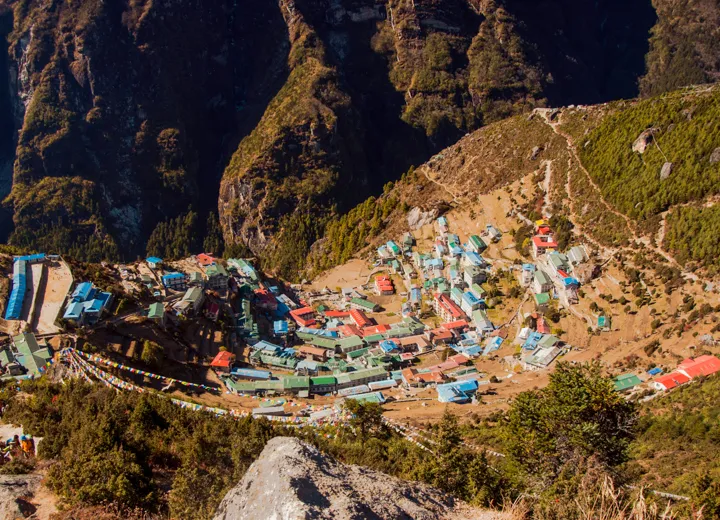
Everest View Luxury Escape
From:
USD 3,780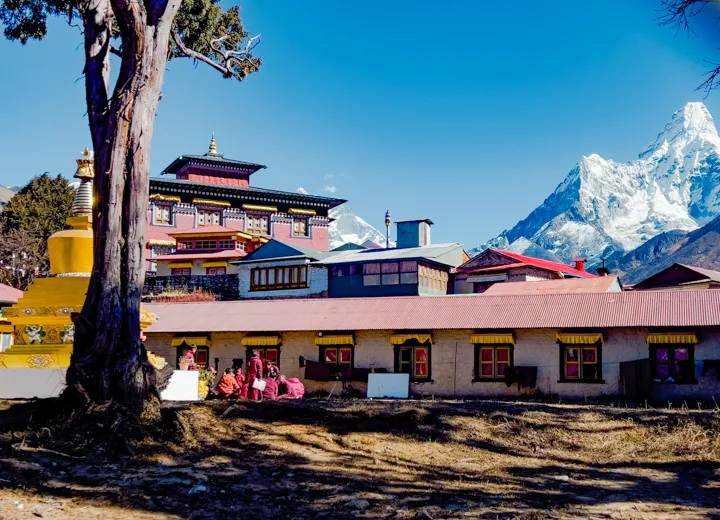
Tengboche Mani Rimdu Trek
From:
USD 1,680USD 1,580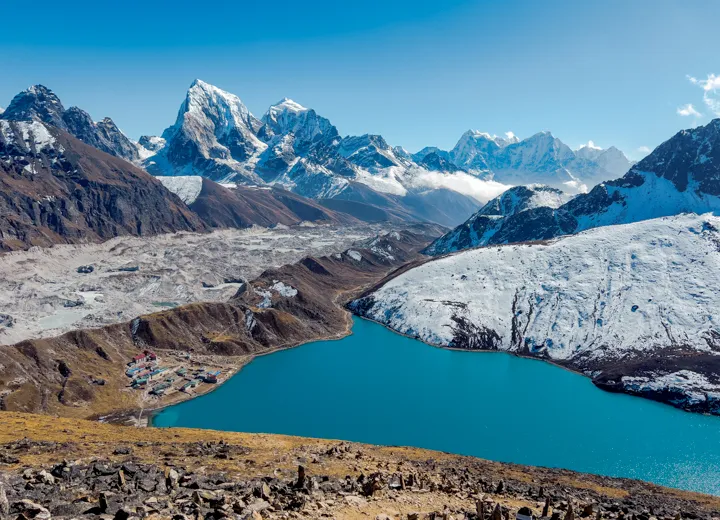
Gokyo Valley Trek
From:
USD 2,180Is the Island Peak and Everest Base Camp Adventure perfect for you?
Every trail has its own heartbeat. Whether you’re wondering about the altitude, the pace, or the best time to see the rhododendrons, we’re here to give you the ground truth.
Tell us your experience level, and we’ll tell you if this is the right rhythm for you.
No automated bots or sales pressure. Just a direct line to our team on the ground in Kathmandu.
If you're looking to book this trip as a private trip as your own dates for you, friends or even family, please feel to get in touch with us! Being a private trip this trip is priced differently from Fixed-departure trips.
Price Per Person
1 Pax:
3880 /-
2-4 Pax:
3480 /-
5-8 Pax:
2880 /-
Please find the details on what's included & excluded under the 'Inclusions' sections.
The trips are completely customizable with options to include add-ons at the end of your trips, change itineraries to include different trails, or even upgrade accommodations & transports as per your choice. Please feel free to let us know what you require using the form next to this and well get back to you as soon as possible with a custom itinerary as well as updated prices!
Namaste!
Feel free to let us know what your requirements are and one of us will get back to you with suggestions!

Before you go...
We're here to help you find the perfect trek. Let us know what's on your mind.