Classic Annapurna Sanctuary Trek
From:
USD 1,780
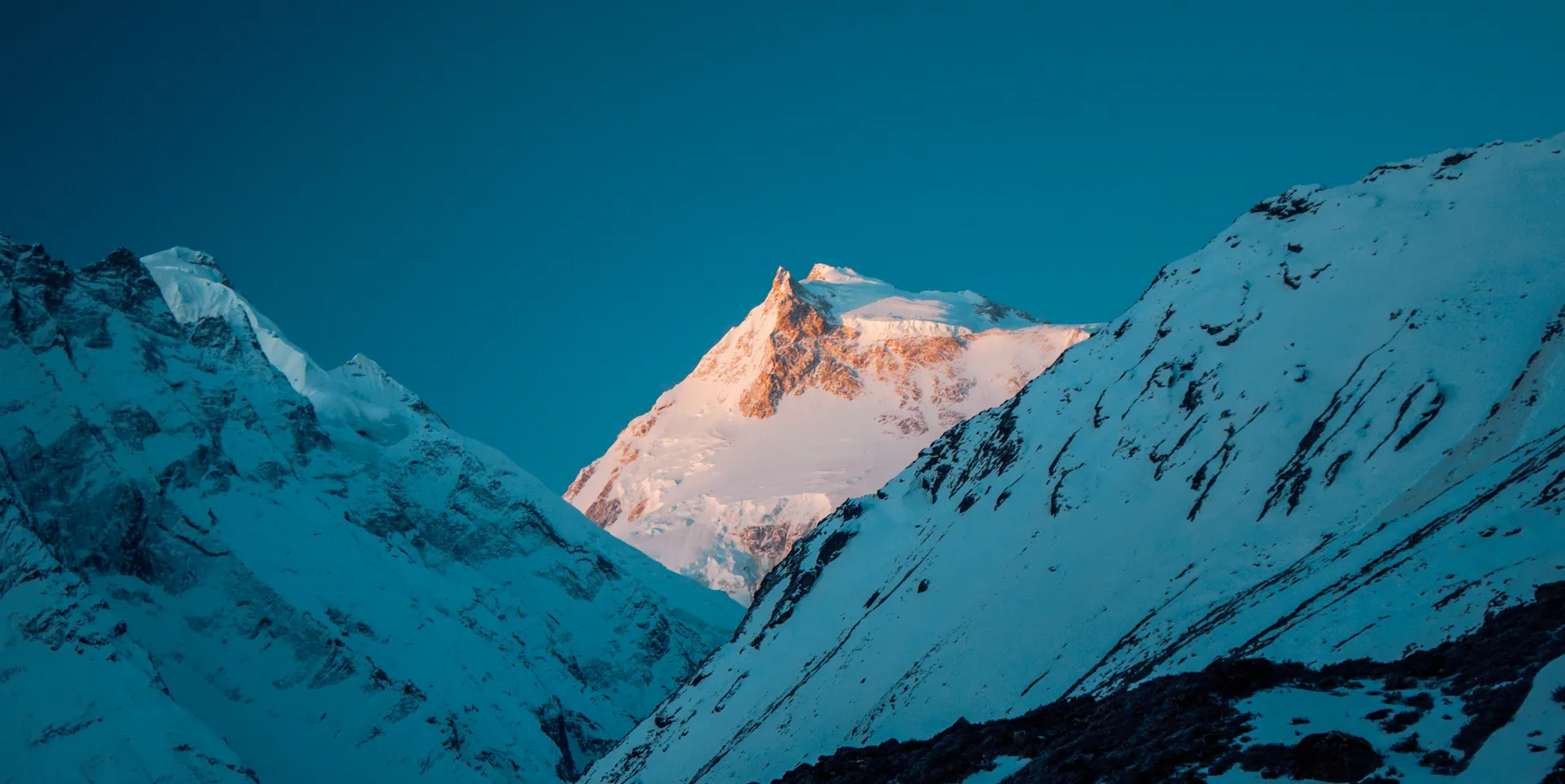
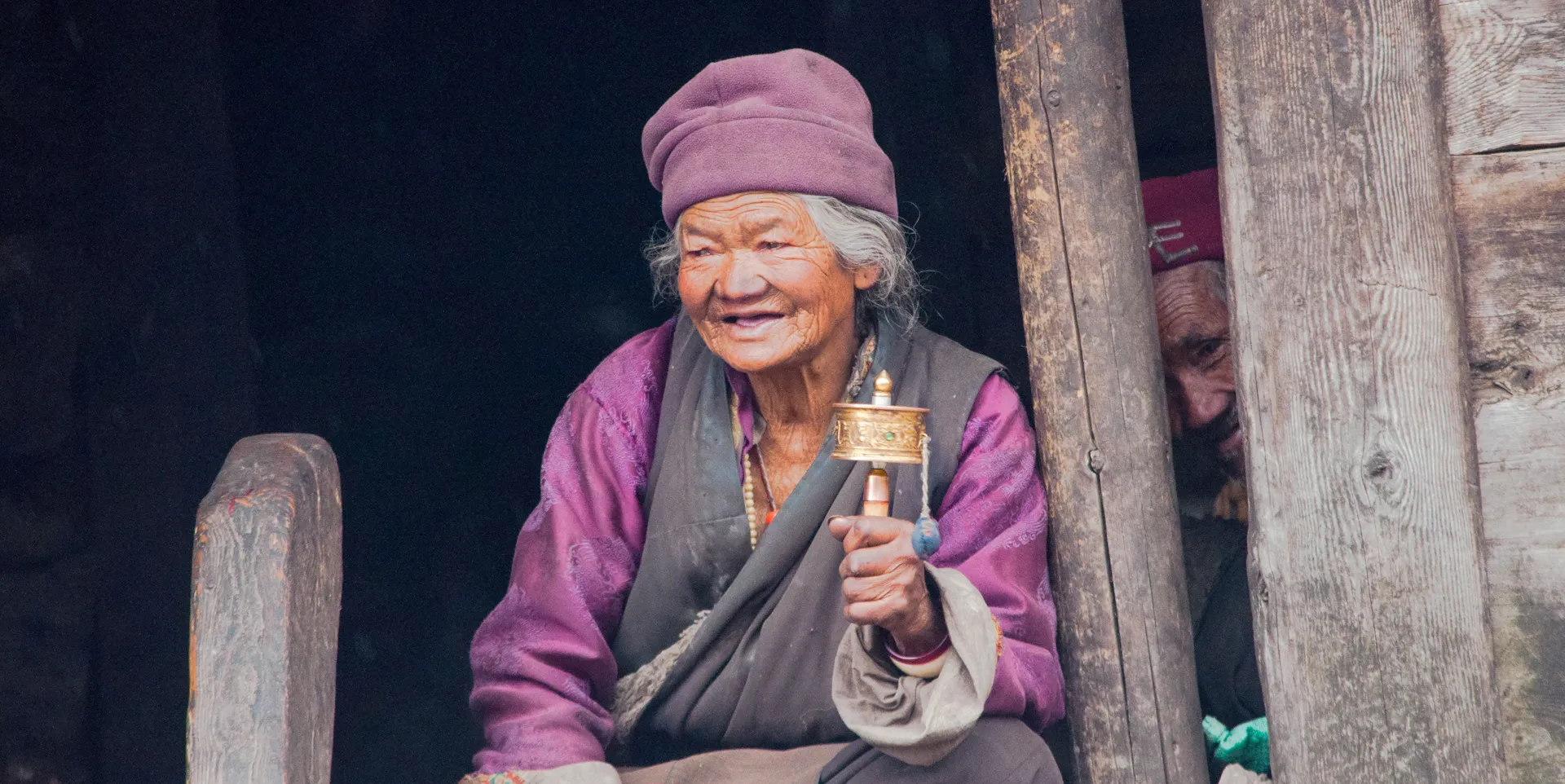
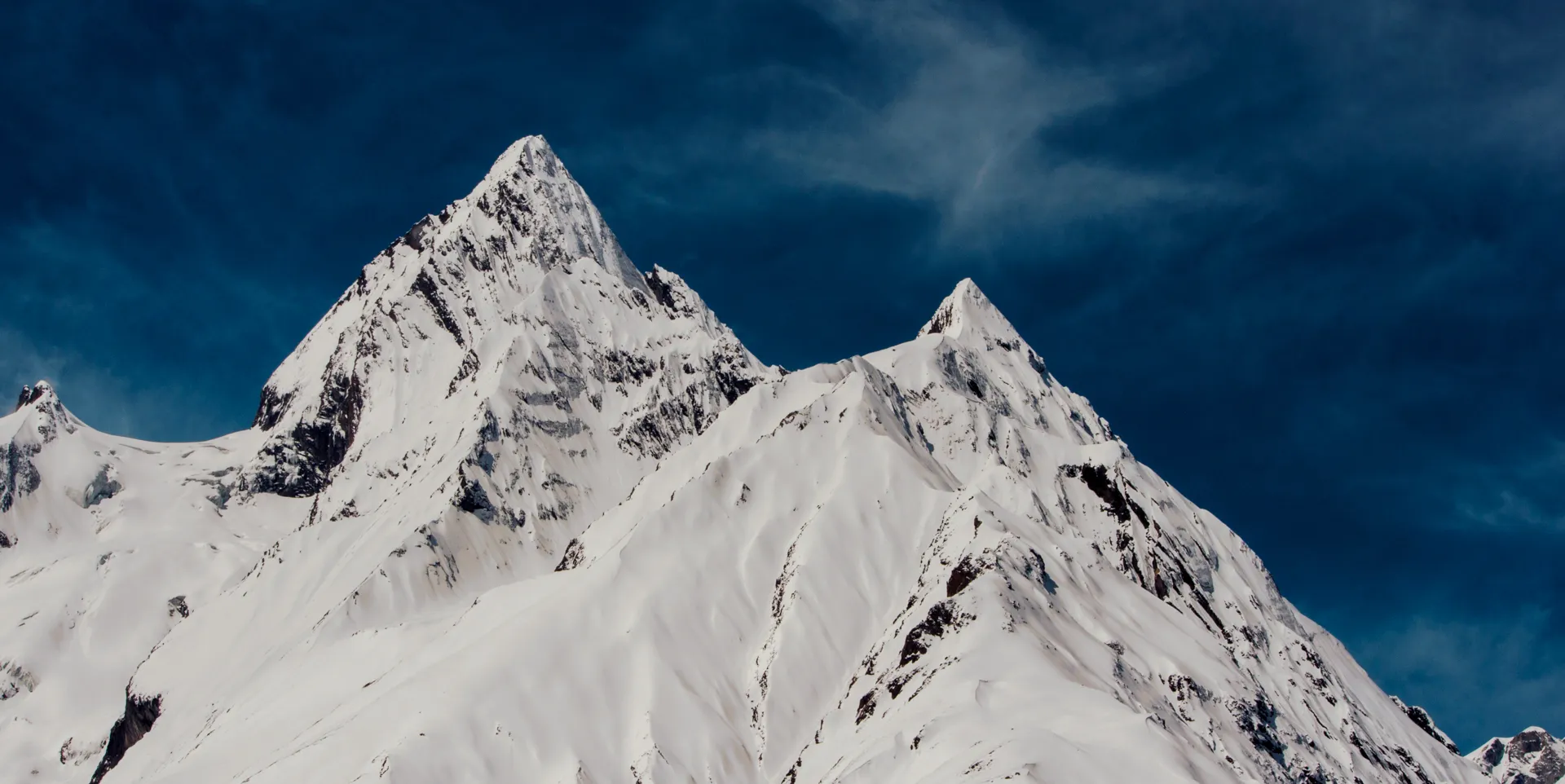
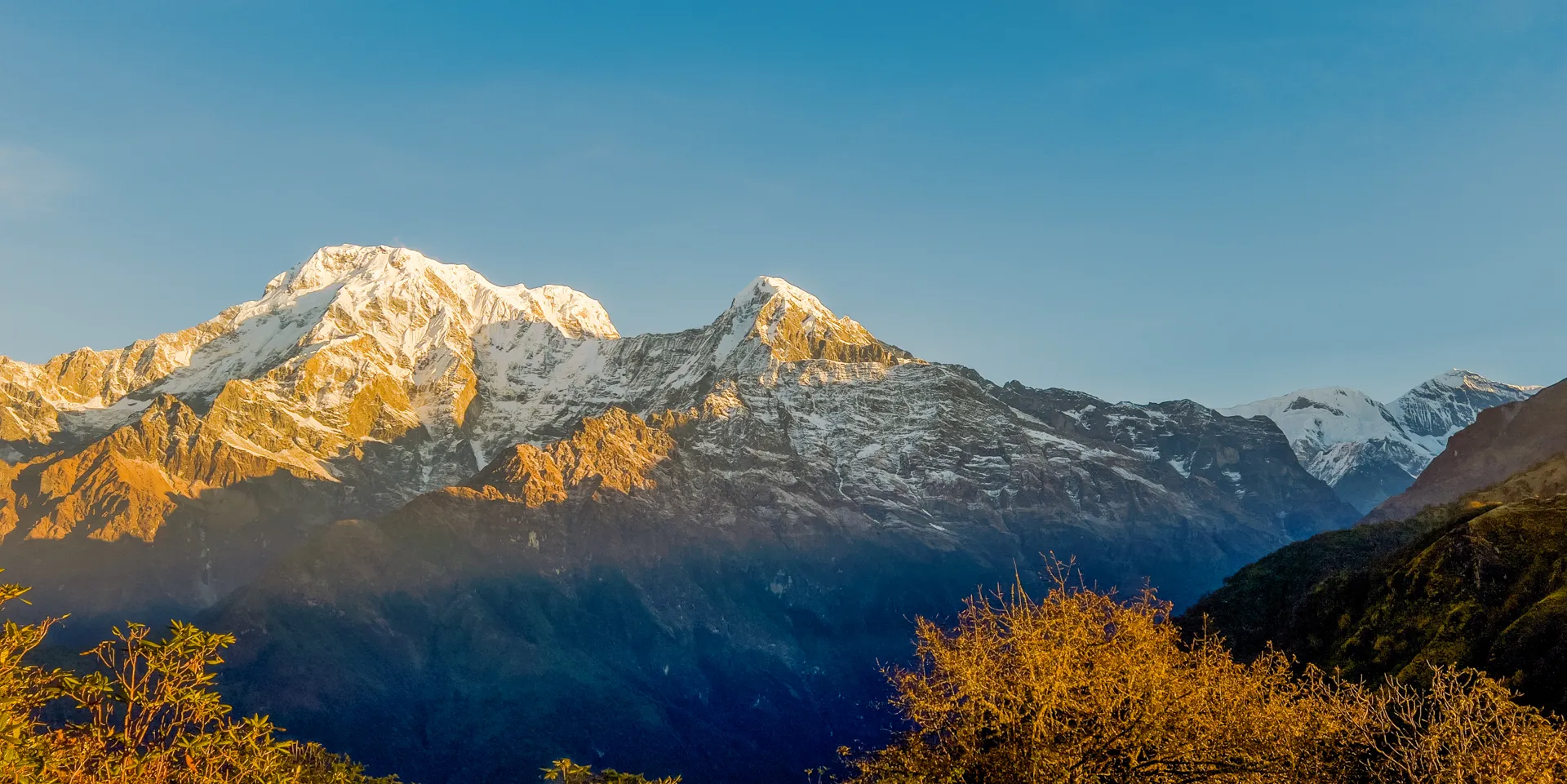
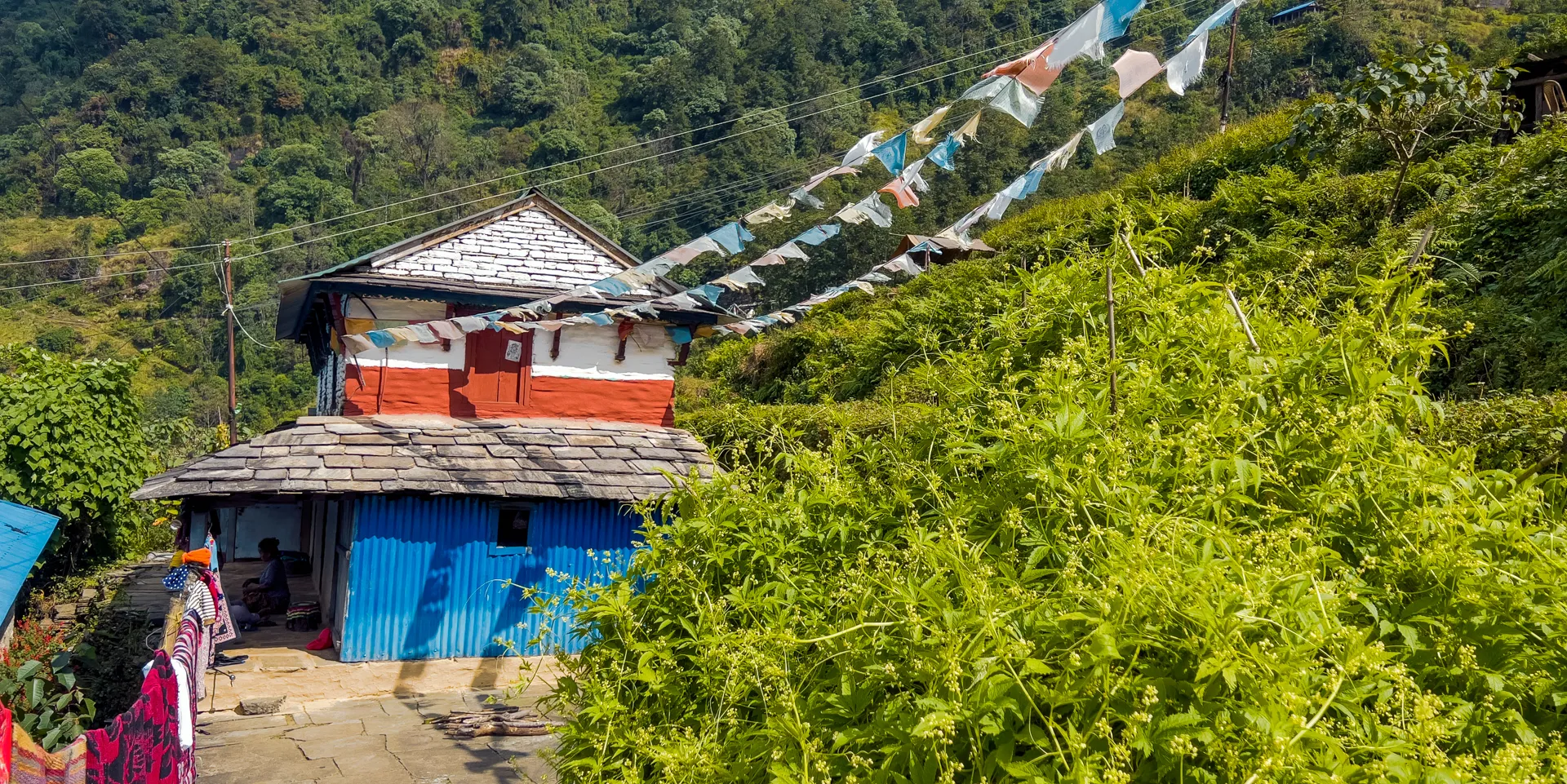
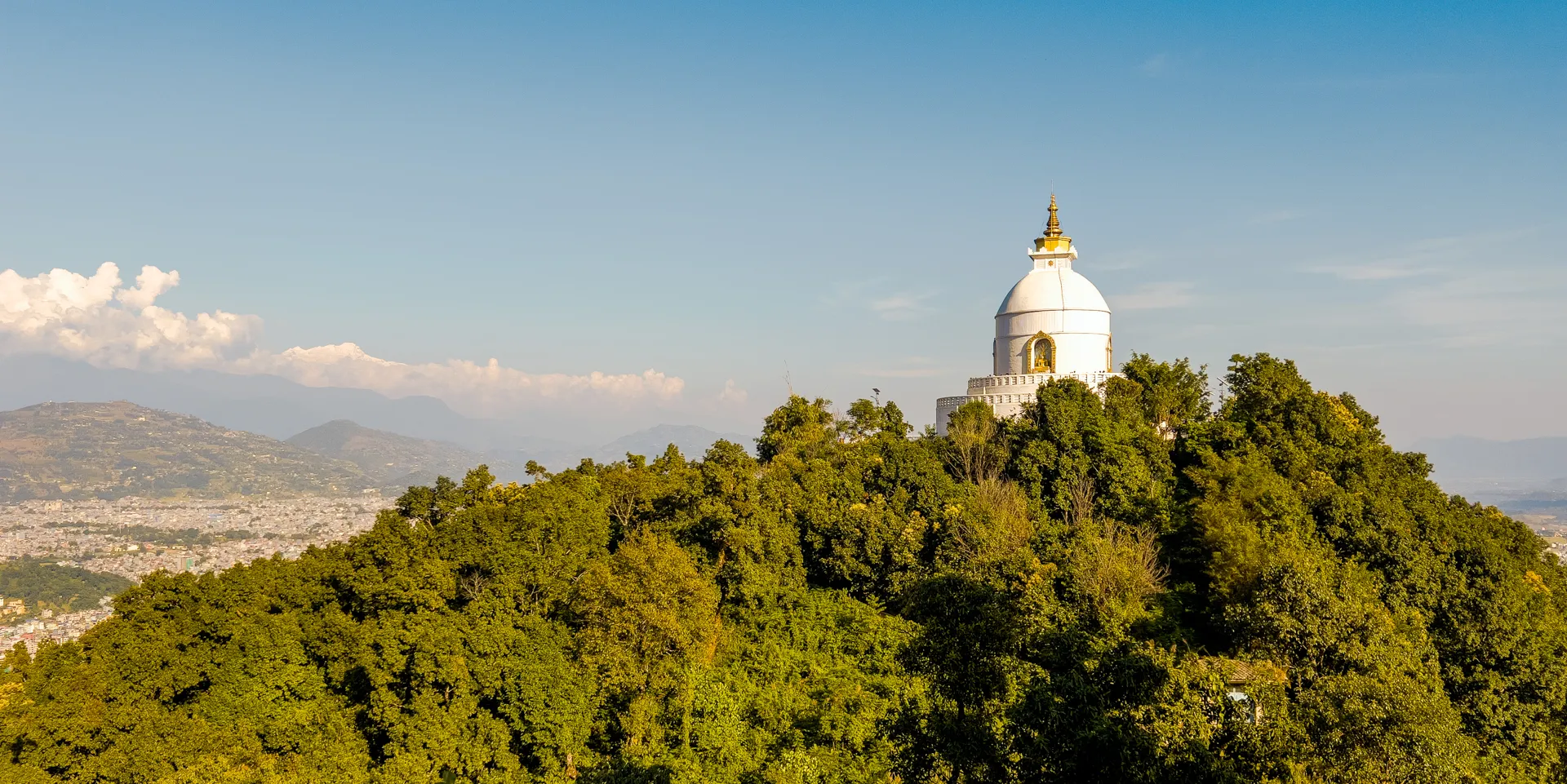
A full Himalayan traverse linking Manaslu and Annapurna - crossing Larkya La and Thorong La in one epic journey.
A full Himalayan traverse linking Manaslu and Annapurna - crossing Larkya La and Thorong La in one epic journey.
26 Days
5420 m
Challenging
Spring, Autumn
USD 2880
This is a true “grand traverse” itinerary that links the full Manaslu Circuit with the classic high section of the Annapurna Circuit. You begin with Kathmandu support at Kathmandu Guest House (KGH), then drive into the Budhi Gandaki corridor and trek through deep river gorges, suspension bridges, and culturally rich villages that become increasingly Tibetan-influenced as you climb into the Nubri valley. After acclimatizing in Sama Gaun and pushing higher to Samdo and Larkya Phedi (Dharamsala), you cross Larkya La (5,160m) and descend into the alpine meadows of Bimthang, completing the Manaslu side of the traverse.
Instead of driving out immediately, you continue on foot to Chame, officially joining the Annapurna Circuit’s Manang side. From there the landscape shifts again into the rain-shadow character of the upper valley as you trek via Upper Pisang to Manang for acclimatization. The second high crossing is Thorong La (5,416m), leading to the sacred pilgrimage site of Muktinath, then you finish in Jomsom via the cultural detour through Lupra Gompa before flying out through Pokhara and returning to Kathmandu.
Arrive in Kathmandu and we transfer you to Kathmandu Guest House (KGH). The day is kept light so you can rest, hydrate, and recover from travel. If you arrive early, you can take a short walk nearby and pick up any last-minute essentials. In the evening, we keep things calm so you start the journey feeling fresh and well-rested.
This is your second Kathmandu day, so it can be used for Optional World Heritage Sightseeing while still keeping time for trek preparation. You will also have a trek briefing, final gear checks, and planning for the road transfer and first trekking days. It is a good day to organize layers and footwear because the itinerary moves from warm low valleys to cold high passes. A relaxed evening helps you rest well before the drive tomorrow.
You drive out of Kathmandu and follow river valleys and hillside roads toward the Budhi Gandaki region. The scenery shifts from city edges to terraced countryside and then into deeper valleys as the road becomes more rugged. This is a travel-heavy day, so we keep the timing realistic and take comfort stops as needed. Machhakhola is a classic gateway village where the trekking rhythm begins the next morning.
Your first trekking day follows the Budhi Gandaki corridor with riverside trails, suspension bridges, and small settlements that feel lively and local. It is an ideal day for settling into your walking rhythm and letting your body adjust gradually. As you gain height, the valley starts to feel more mountainous and the air slightly cooler in the evenings. Jagat is an important checkpoint village and a natural place to rest well before moving deeper into the circuit.
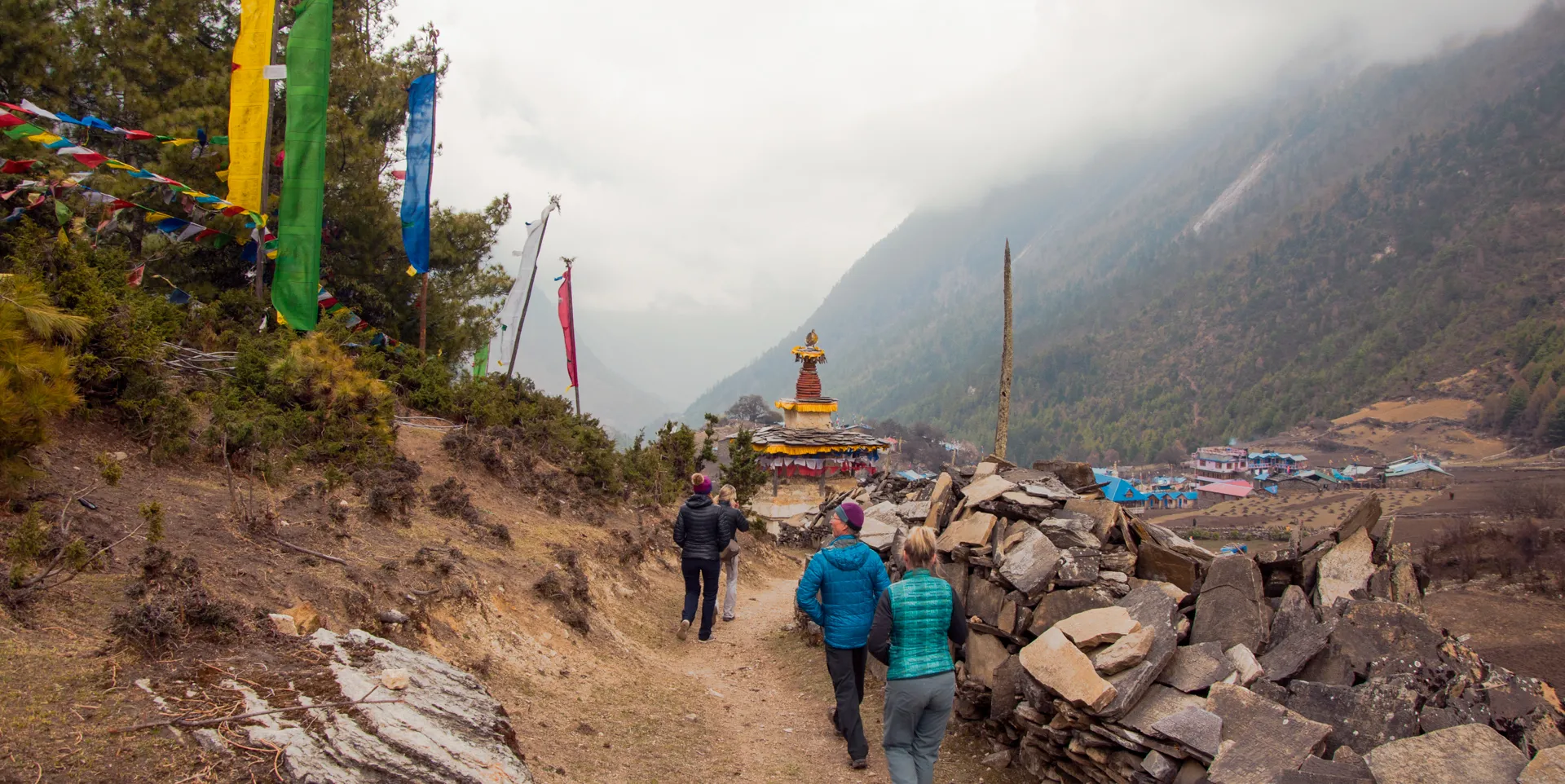
The valley opens and closes in dramatic ways as you continue upstream, with more village life and traditional trail features appearing along the route. You will notice more mani walls and Buddhist markers as the cultural atmosphere becomes more Himalayan. Philim is a well-known village stop on the Manaslu route and a comfortable place to recharge. It is a good evening to rest well because the trek becomes progressively more remote after this stage.
Today you trek deeper into the upper valley, often through a mix of forest, hillside trails, and river crossings. The route begins to feel quieter as settlements become smaller and farther apart. You will notice the climate shifting toward cooler mountain air, especially in shaded sections. Deng is a common overnight that marks your gradual transition into the higher village zone of the circuit.
The trail climbs steadily into higher country where forests thicken in places and the valley feels narrower and taller. Tibetan Buddhist trail markers become more common, and the cultural atmosphere starts to shift strongly as you move into the Nubri valley. Namrung is an important gateway village, and many trekkers feel that the “high Himalaya section” truly begins here. The evening is crisp and quiet, perfect for rest and acclimatization.
You continue climbing through beautiful high-valley scenery with an increasingly Tibetan-influenced feel in architecture and daily life. The trail is often lined with mani walls and chortens, and the surrounding mountains begin to look closer and more dramatic. Lho is known for its monastery presence and its striking setting in the upper valley. You usually arrive with time to settle in and enjoy a calm village evening.
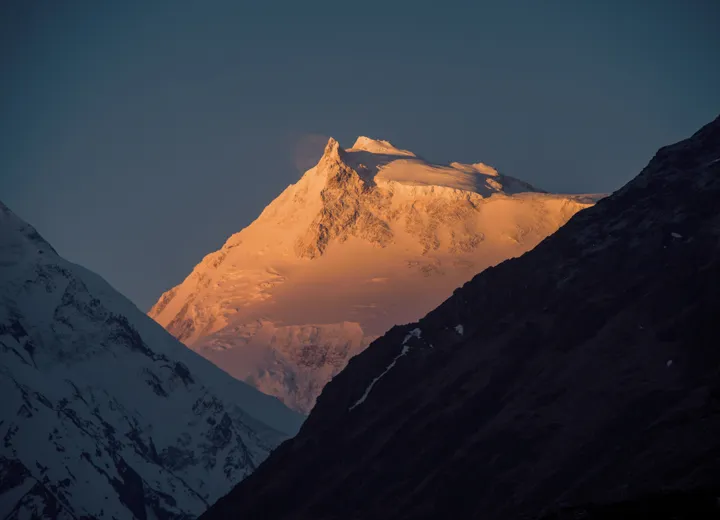
Today takes you deeper into the Nubri valley toward Sama Gaun, one of the trek’s most important settlements and the main base beneath Manaslu. The landscape becomes wider and more alpine, and you feel a stronger sense of mountain scale all around you. Sama Gaun feels like a destination village rather than a simple stop, which is why it works so well for acclimatization. The afternoon is ideal for a short local walk and relaxed rest.
This day is built in to help you adapt safely while also making the trek more enjoyable. Many trekkers take an optional hike toward Manaslu Base Camp for glacier scenery and closer views into the high basin. Another option is the Pungyen area, which offers a different angle on the landscape and often feels quieter. You return to Sama Gaun for a second night so your body can recover properly before moving higher.
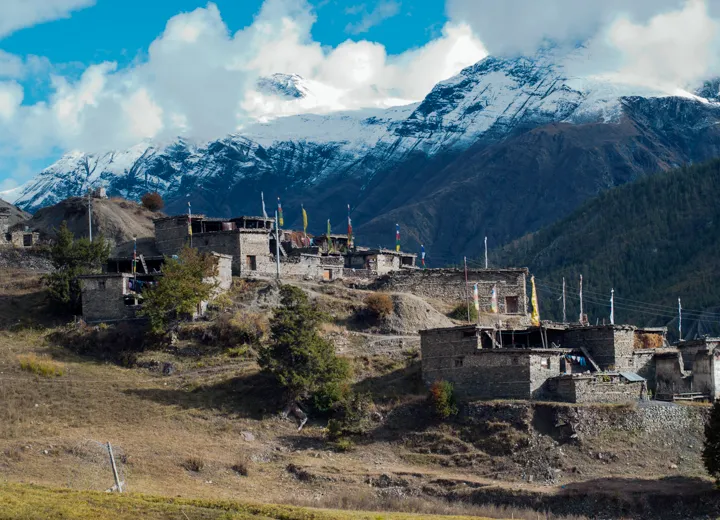
You climb higher into a more open and rugged valley where vegetation thins and the air feels noticeably cooler. The trail becomes quieter as settlements become fewer and the whole region feels more remote. Samdo is a high village with a true border-valley feel and a calm, isolated rhythm compared to the lower villages. The evening is best kept simple with warm food and good rest for the acclimatization hike tomorrow.
A day hike above Samdo helps you gain altitude safely and build confidence before the pass sequence. The route climbs to the Samdo Ri viewpoint area, giving wide perspectives over the valley when skies are clear. This is an excellent day for practicing steady pacing and breathing at altitude without committing to a higher overnight. You return to Samdo for a second night, which supports acclimatization and keeps the itinerary well balanced.
Today you move toward the simple high camp used for the Larkya La crossing, often called Dharamsala or Larkya Phedi. The landscape feels increasingly alpine and exposed, with fewer trees and more rugged terrain as you approach the upper valley. Accommodation here is basic compared to lower villages, so the focus is on warmth, hydration, and rest. An early night is recommended because the pass day begins early.
This is the defining day of the Manaslu section and usually starts early. You climb to Larkya La (5,160m) and then descend into a completely different landscape of open alpine meadows and wider valleys. The transition is dramatic - high, cold pass terrain gives way to greener slopes and easier breathing as you drop. Bimthang is a beautiful place to recover after the crossing, with a rewarding sense of achievement.
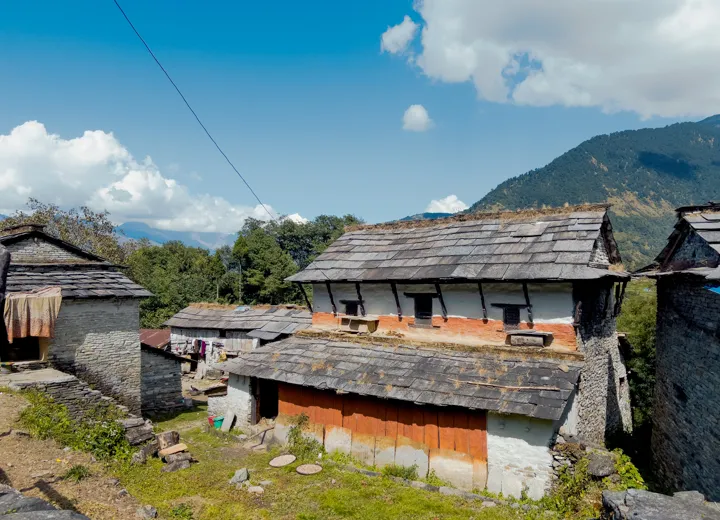
Today the trek becomes noticeably warmer as you continue descending out of the high basin. Vegetation changes quickly and the route feels more sheltered as you drop into forested sections. This is typically a steadier walking day, but downhills can still be tiring on the legs. Gowa is a practical overnight that keeps the descent well paced and gives you a calm evening to rest.
You continue on foot rather than driving out, linking directly into the Annapurna Circuit side. The scenery becomes greener again in the lower corridor, and villages feel more connected compared to the remote upper Manaslu section. Reaching Chame is a clear transition moment because you are now in the Annapurna trail network and heading toward the Manang valley. The evening is comfortable, and it feels like a second trek chapter is beginning.
The trail climbs deeper into the Manang side with a noticeable shift toward a drier, more open mountain feel as you gain altitude. Upper Pisang sits above the valley and is valued for its traditional village atmosphere and wide Himalayan views when weather is clear. The day is a steady acclimatization step that prepares you well for Manang. After arrival, it is best to rest well and keep hydration strong because the terrain continues to rise tomorrow.
You trek into the upper Manang Valley where the landscape takes on a rain-shadow character with wider horizons and thinner vegetation. Arriving in Manang feels like reaching a mountain hub with more facilities and a lively trekking atmosphere. This is an important point for acclimatization, so the afternoon is ideal for rest, warm meals, and gentle movement rather than pushing too hard. The setting beneath the surrounding peaks gives a strong high-Himalaya atmosphere.
A full day in Manang gives your body time to adapt before the Thorong La sequence. You can use the day for gentle exploration and acclimatization walks, and many trekkers visit Braga (Braka) Monastery or viewpoints above the village. This day is about smart pacing - slow movement, good hydration, and proper meals. You return to Manang for another night so you start the higher stages feeling stronger.
You leave Manang and climb into a more alpine corridor where vegetation thins and the terrain feels more exposed. The trek now feels more serious as altitude increases and the route builds toward Thorong La. Letdar is a quiet high stop focused on rest, warm meals, and steady acclimatization. An early night is helpful because tomorrow positions you for the pass day.
You continue up the Thorong corridor into stark high mountain terrain. Depending on conditions and group acclimatization, you overnight at Thorong Phedi or continue higher to High Camp. Either option is chosen with the same goal - to be well prepared and comfortable for an early start. The evening is calm and practical, focused on eating well and staying warm.
This is the defining day of the Annapurna section and often starts before sunrise. You climb to Thorong La (5,416m), then descend into a noticeably drier landscape on the Mustang side. Reaching Muktinath is both a trekking milestone and a cultural highlight because it is a revered pilgrimage site for both Hindus and Buddhists. After arrival, many guests enjoy visiting the temple complex and absorbing the spiritual atmosphere.
You descend toward Jomsom via Lupra, a small village known for its Bon heritage and monastery traditions. This route adds a quieter cultural detour rather than taking the most direct path, and it gives a different perspective on the Mustang landscape. As you lose altitude, the air becomes richer and the valley opens up into the Kali Gandaki corridor. Jomsom is a comfortable finish point with better facilities and an easy flight connection.
You take an early flight from Jomsom to Pokhara, which is weather dependent but often very scenic when skies are clear. The shift from high mountain corridors to lakeside comfort feels immediate and refreshing. After check-in, you can enjoy a long shower, good food, and a relaxed afternoon. This day helps the itinerary feel complete and gives your body time to recover after the passes.
Fly back to Kathmandu and we transfer you to Kathmandu Guest House (KGH). After weeks on the trail, city comfort feels like a real reward and a perfect time for a celebratory dinner. You can also use the evening for souvenir shopping or a relaxed cultural stroll depending on your energy. We keep the schedule light so departure day feels smooth.
We transfer you to Tribhuvan International Airport (TIA) for your onward flight home.
There aren’t any fixed departure dates set for this trek right now. This trek can still be done as a private trek, so please contact us to start planning it.
If you are looking to do this trip at your own custom dates or looking to customize this trip, please find more info and a trip request form by clicking on the button below.
What's Included:
What's Not Included:
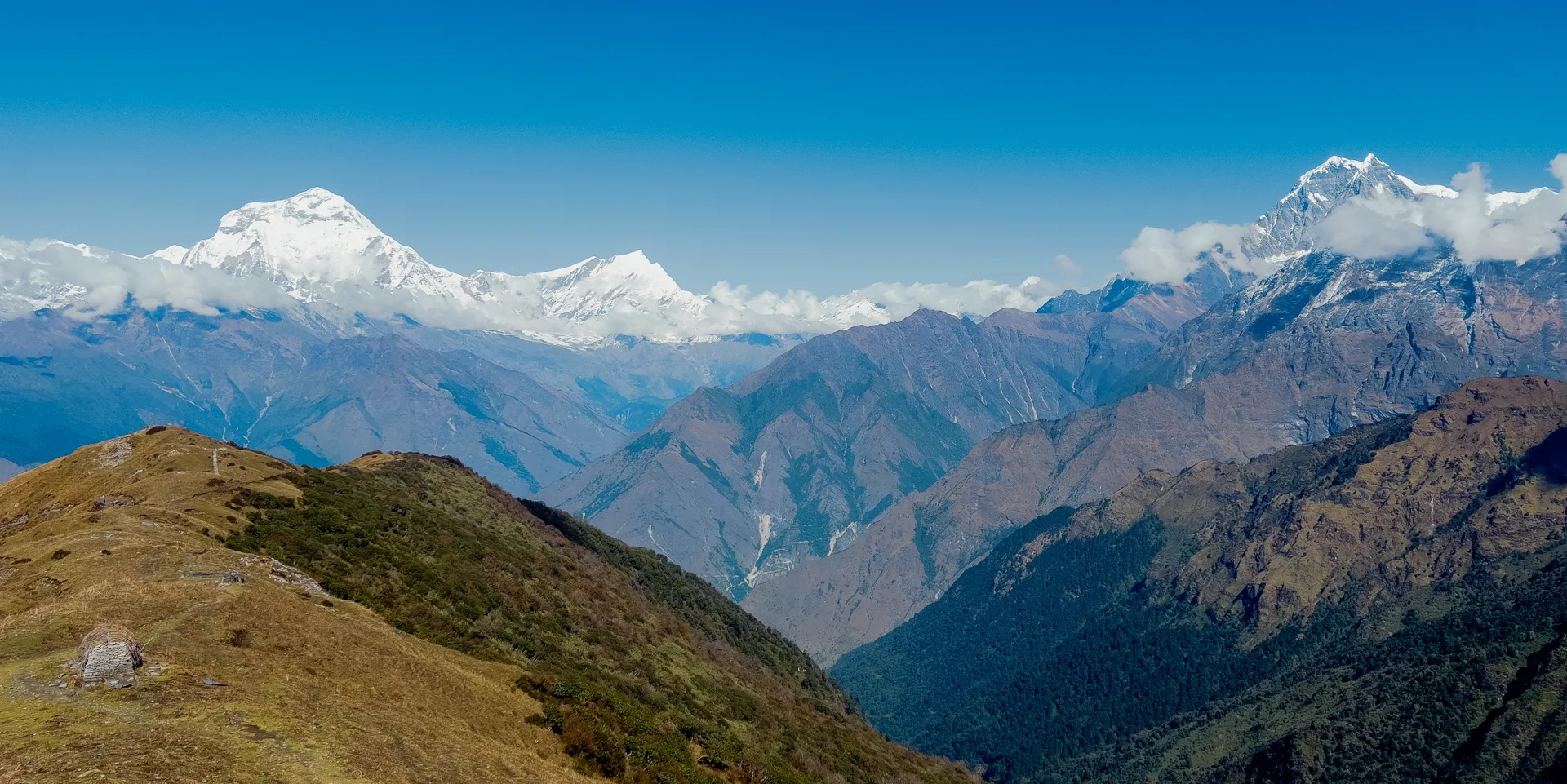
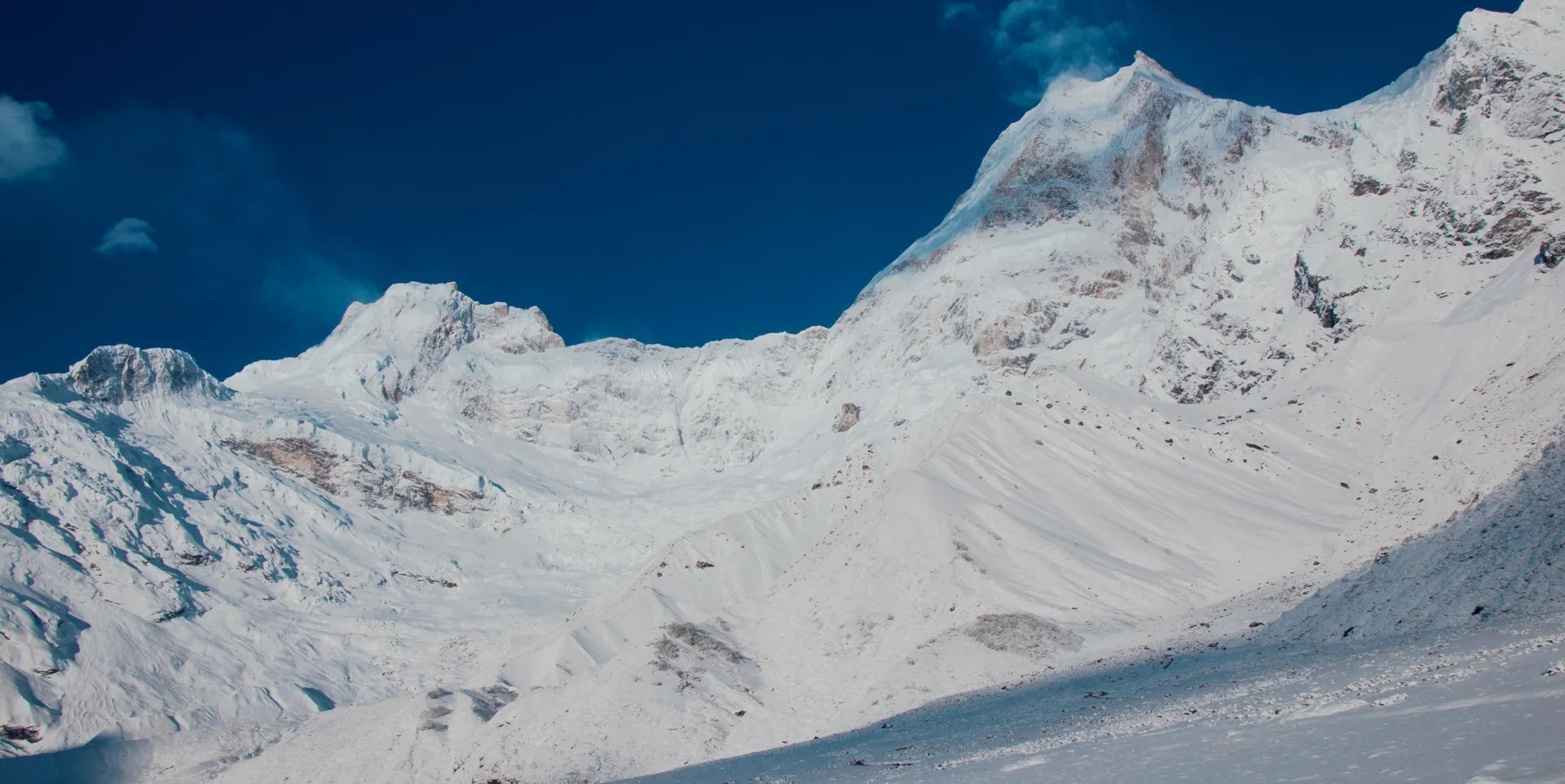
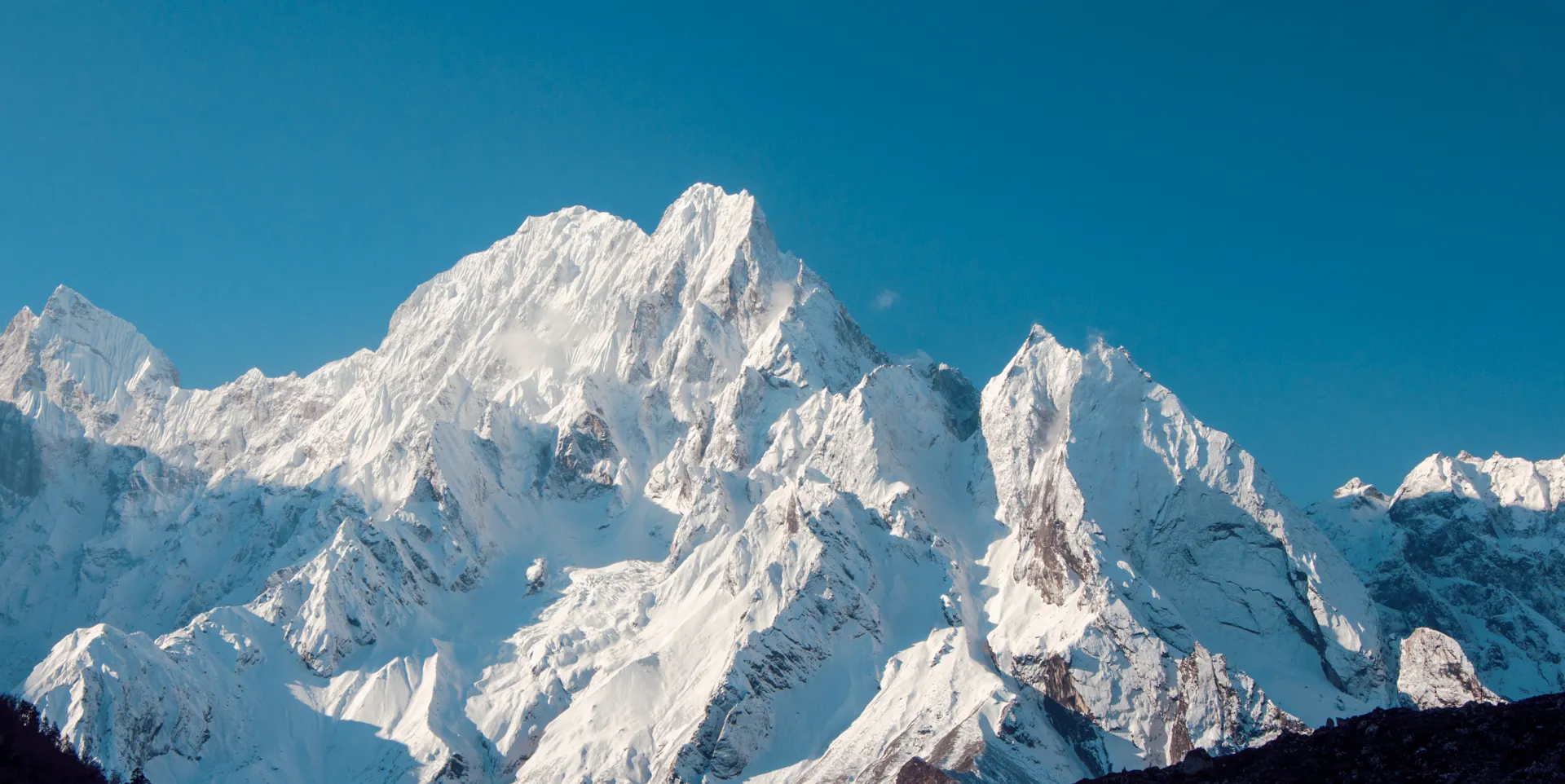
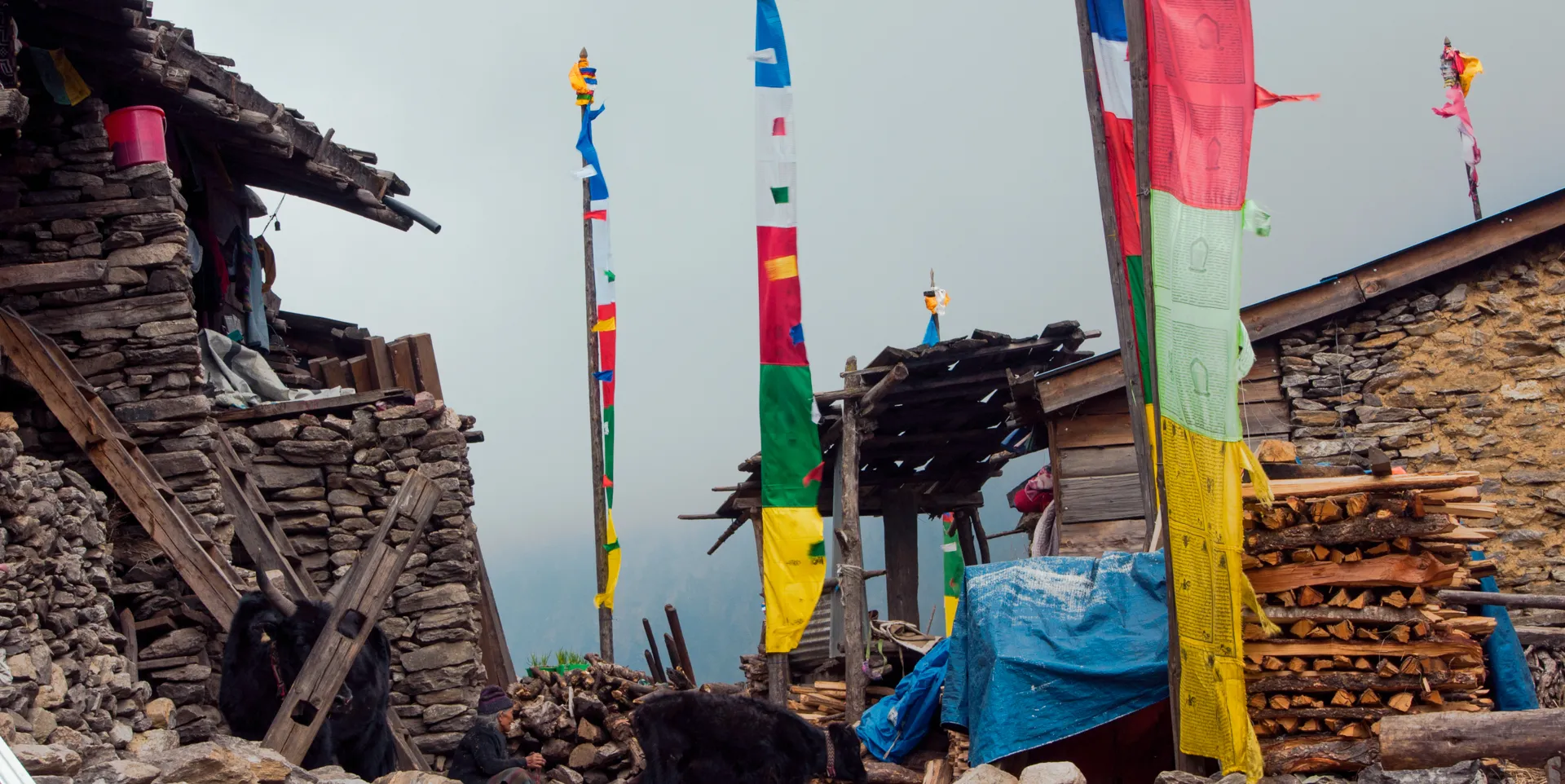
Every trail has its own heartbeat. Whether you’re wondering about the altitude, the pace, or the best time to see the rhododendrons, we’re here to give you the ground truth.
Tell us your experience level, and we’ll tell you if this is the right rhythm for you.
No automated bots or sales pressure. Just a direct line to our team on the ground in Kathmandu.
If you're looking to book this trip as a private trip as your own dates for you, friends or even family, please feel to get in touch with us! Being a private trip this trip is priced differently from Fixed-departure trips.
Price Per Person
1 Pax:
3480 /-
2-4 Pax:
2880 /-
5-8 Pax:
2380 /-
Please find the details on what's included & excluded under the 'Inclusions' sections.
The trips are completely customizable with options to include add-ons at the end of your trips, change itineraries to include different trails, or even upgrade accommodations & transports as per your choice. Please feel free to let us know what you require using the form next to this and well get back to you as soon as possible with a custom itinerary as well as updated prices!
Namaste!
Feel free to let us know what your requirements are and one of us will get back to you with suggestions!
Before you go...
We're here to help you find the perfect trek. Let us know what's on your mind.