Helambu Gosaikunda Trek
From:
USD 1,280
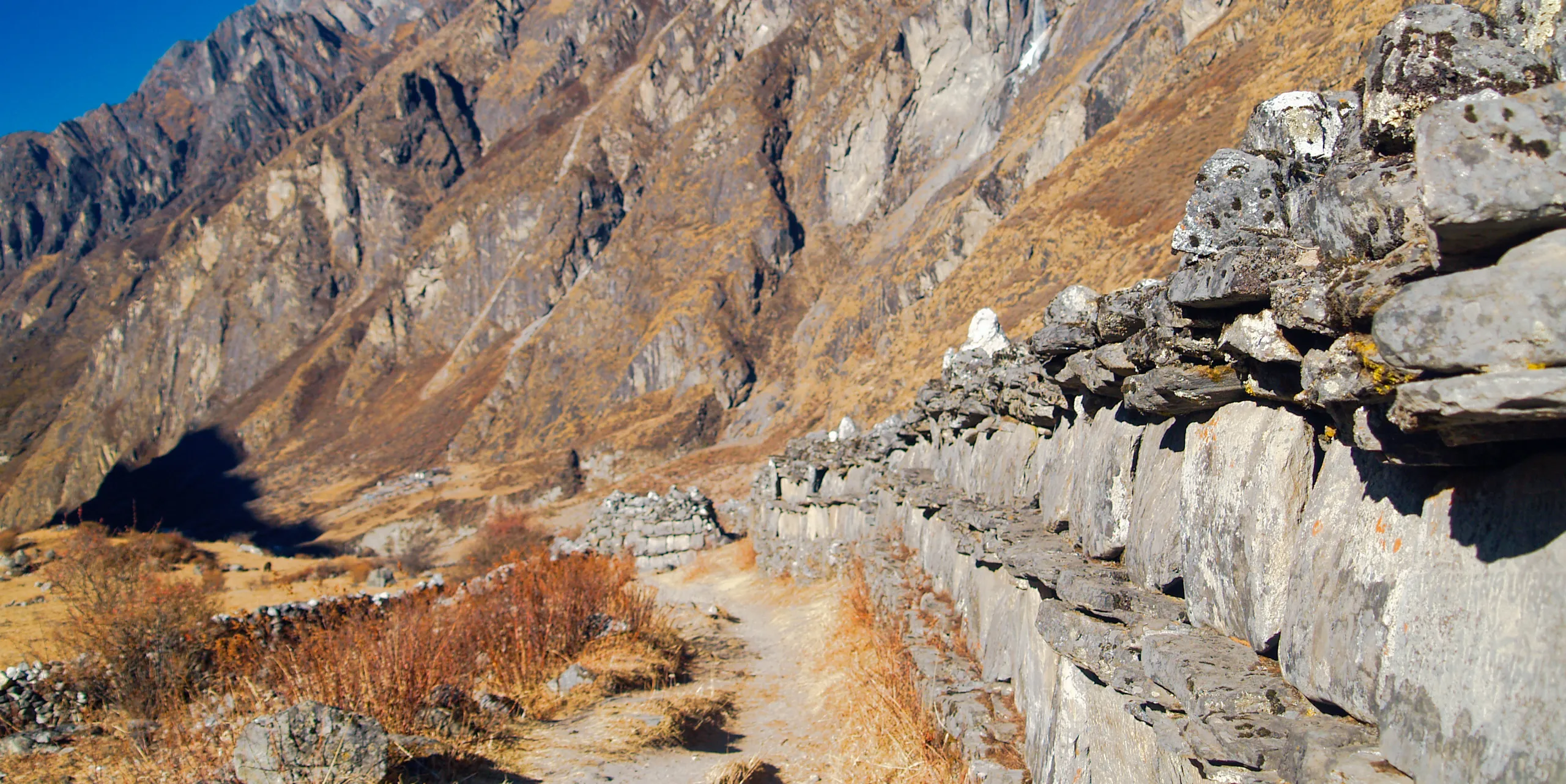
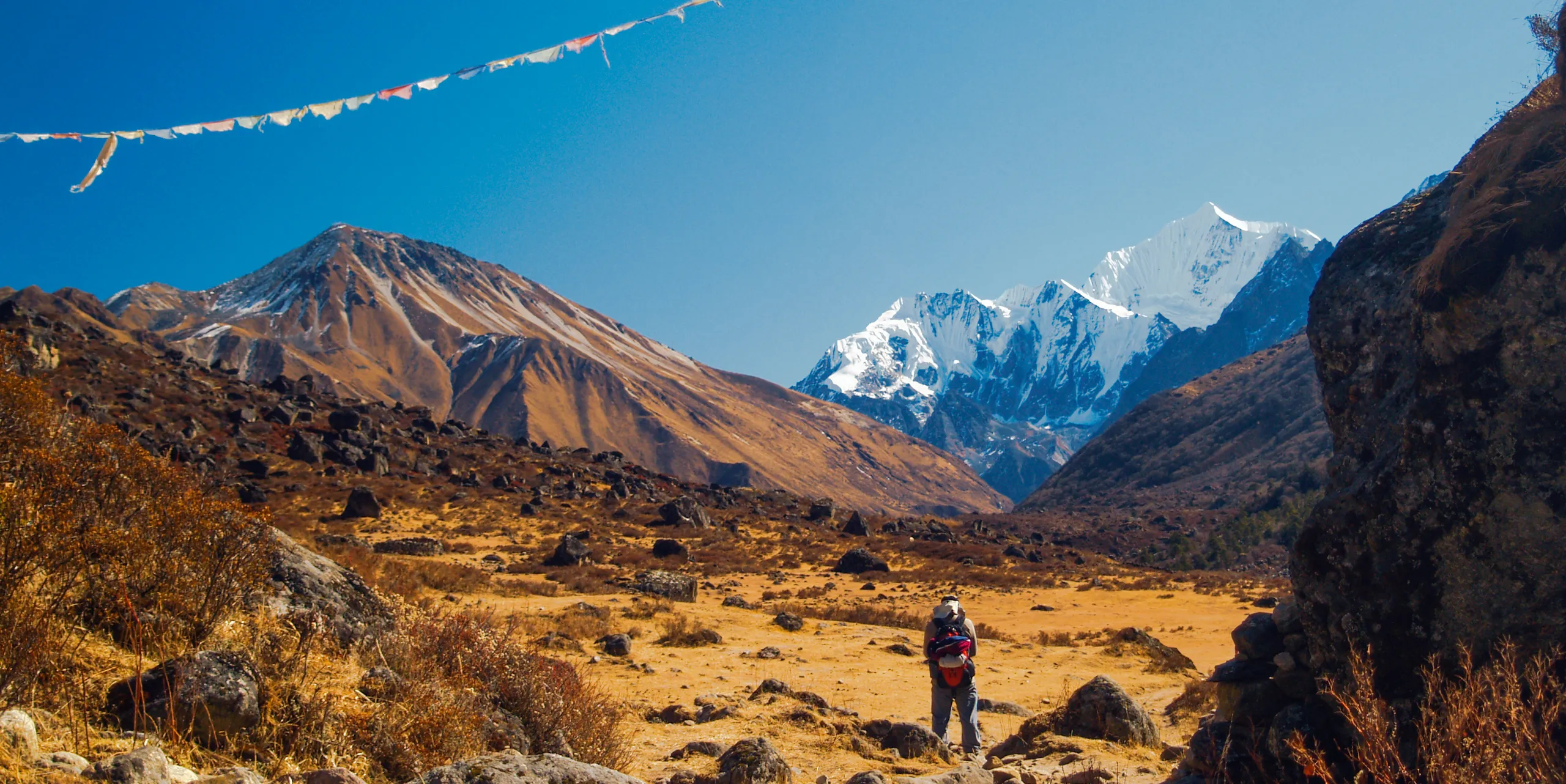
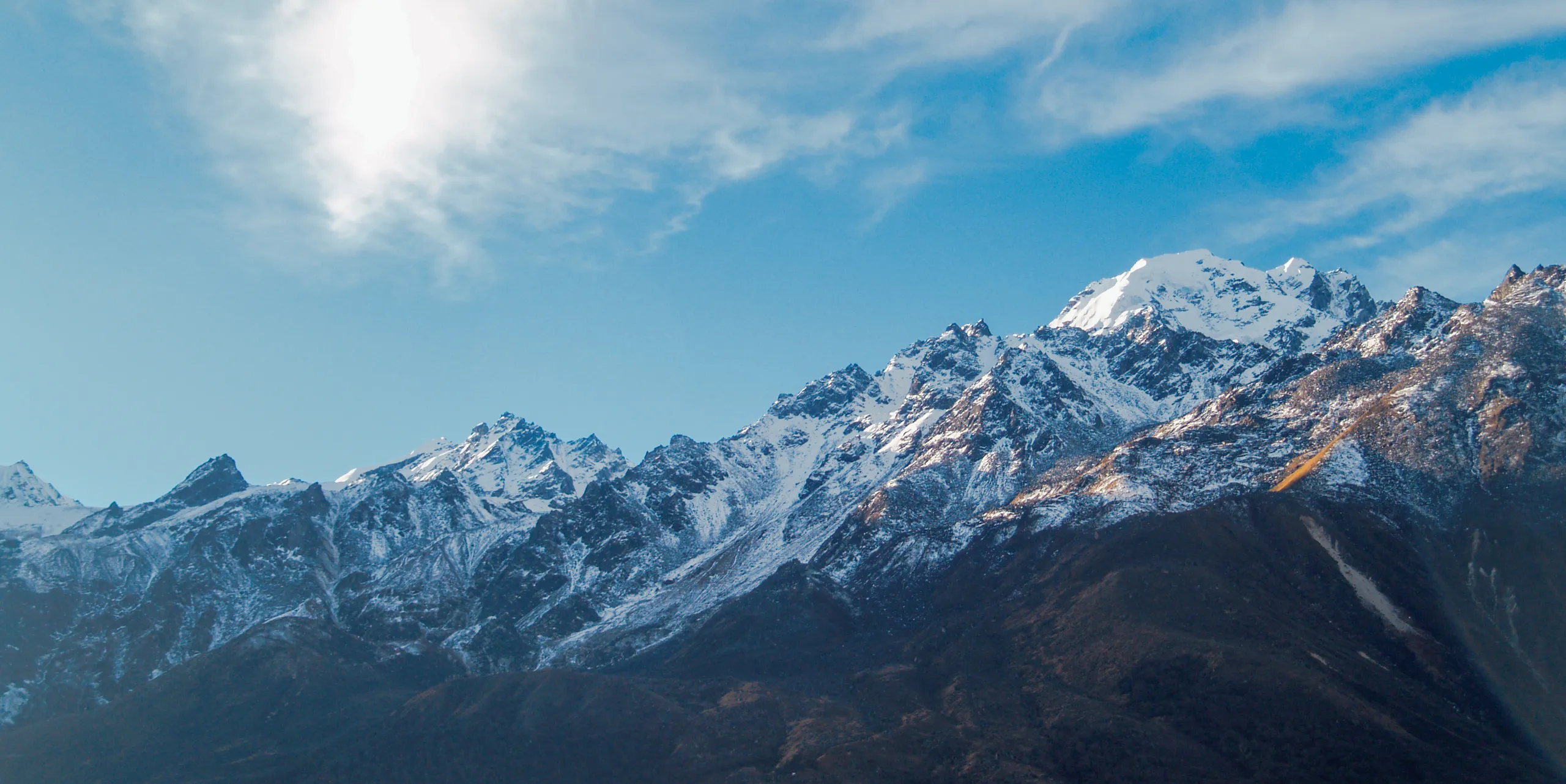
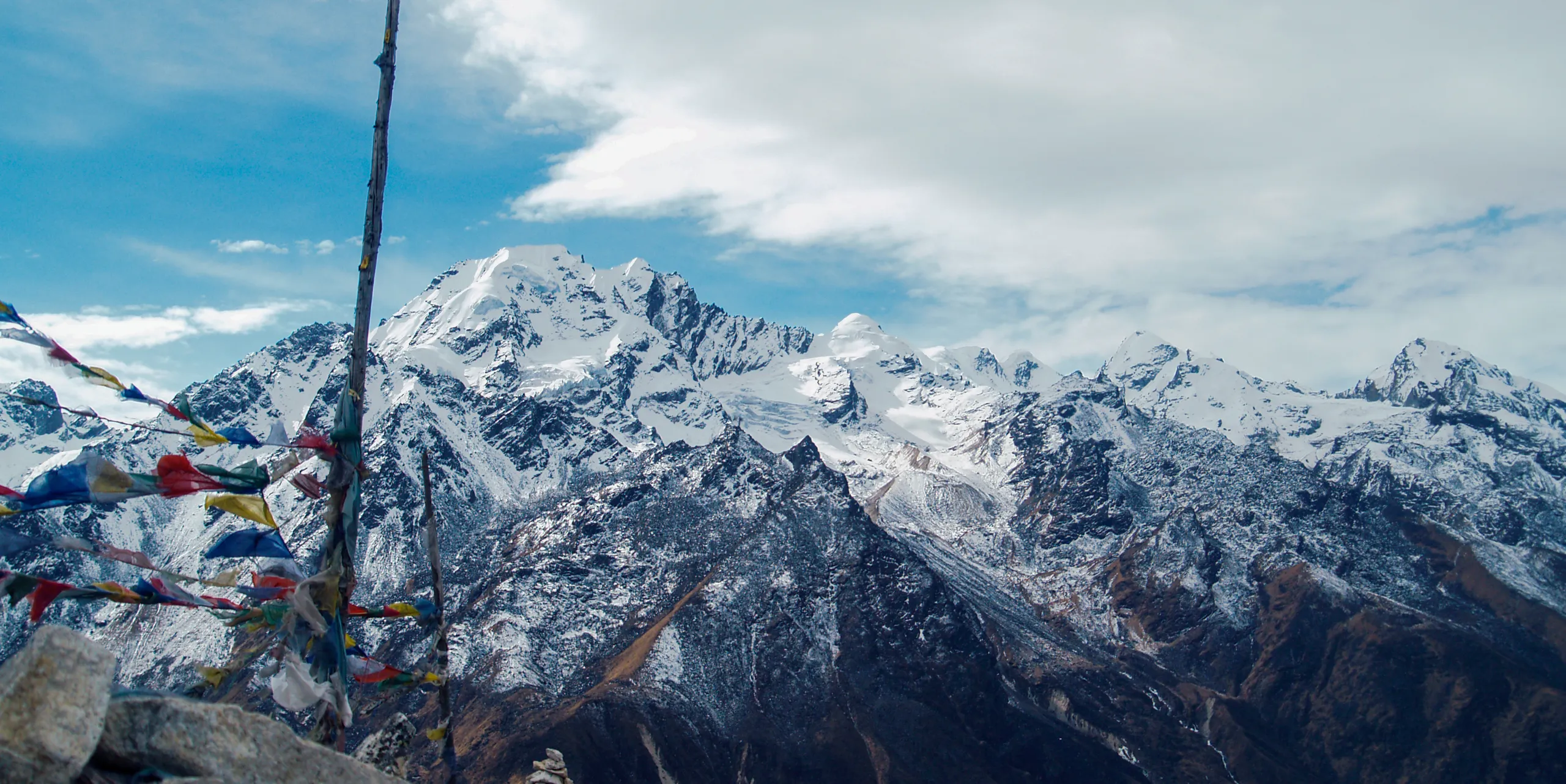
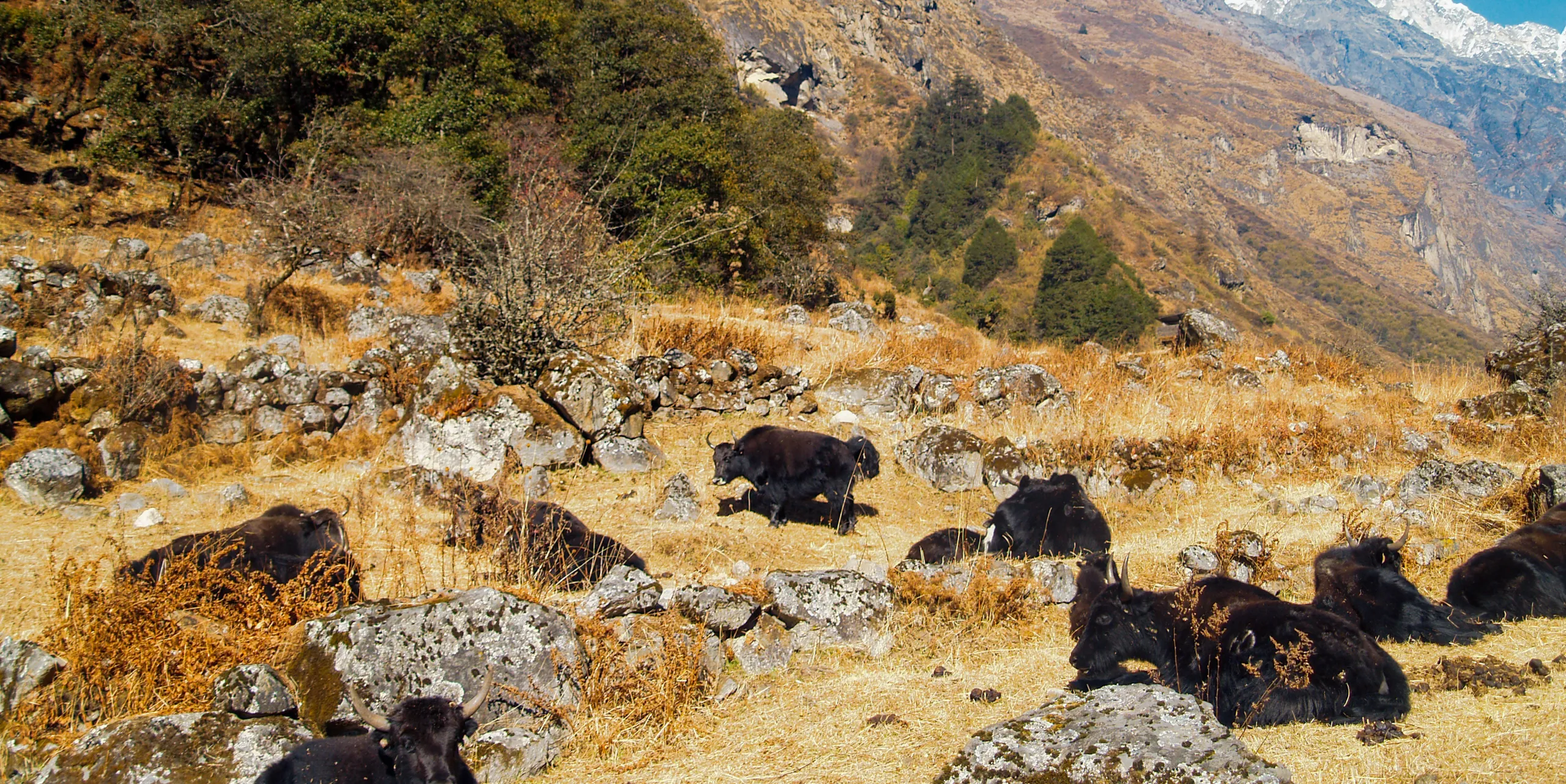
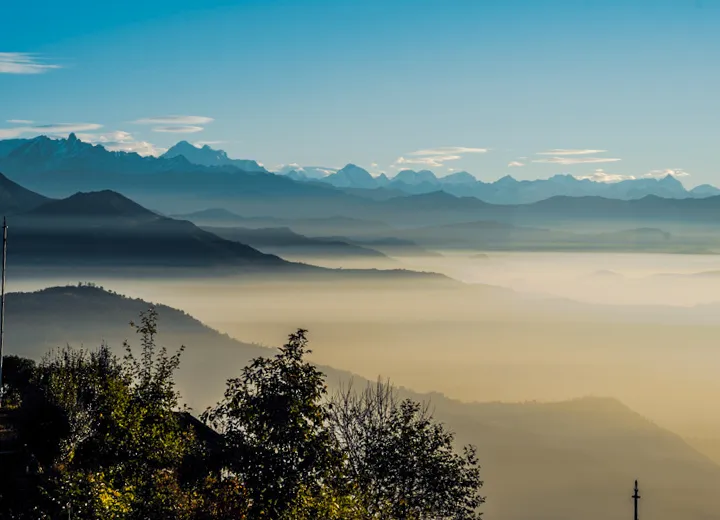
Langtang Valley’s glacier scenery plus the sacred Gosaikunda lakes - a full Himalayan traverse close to Kathmandu.
Langtang Valley’s glacier scenery plus the sacred Gosaikunda lakes - a full Himalayan traverse close to Kathmandu.
18 Days
4770 m
Moderate
Spring, Autumn
USD 1780
This trek links two of Nepal’s most rewarding regions into one continuous journey – the dramatic Langtang Valley and the sacred high lakes of Gosaikunda in Langtang National Park. You start with a drive to Syabru Besi and trek up the Langtang Khola valley through forests and riverside trails to Langtang Village and Kyanjin Gompa, the valley’s famous high settlement. From Kyanjin, you take a dedicated day hike to Kyanjin Ri, one of the best viewpoints in the region, then begin descending and transition across to the Gosaikunda side via Thulo Syabru and Sing Gompa (Chandanbari).
The second half of the trek climbs to Gosaikunda Lake, a revered pilgrimage lake at 4,380m, then crosses Lauribina La (4,610m) before descending through quieter ridge settlements and hill villages toward the Kathmandu Valley rim. The trek finishes at Sundarijal with a short drive back to Kathmandu, with optional World Heritage sightseeing on your city days.
Arrive in Nepal’s capital and transfer to your hotel. The day is kept light so you can rest, hydrate, and settle in after travel.
If you arrive early, a relaxed walk and an easy dinner is a great way to ease into Kathmandu’s rhythm.
A flexible day for trip preparation and a comfortable cultural warm-up. If you choose sightseeing, you can explore Kathmandu’s heritage areas without rushing and still keep plenty of downtime.
This is also the best day for a trek briefing, packing, and final gear checks so the mountain days feel smooth.
You drive out of Kathmandu and head north into the hills, following river corridors and mountain roads toward the Langtang gateway. The scenery gradually shifts from city edges to terraced countryside and deeper valleys.
Syabru Besi feels like a true trail town - a practical starting point where the trekking atmosphere begins.
Your first trekking day follows the Langtang Khola valley through forested trails and riverside paths. The air becomes cooler and fresher as you climb, and the landscape feels greener and more enclosed than the higher valley ahead.
Lama Hotel is a classic Langtang stopping point, set in forest and widely cited around 2,470m.
The trail continues steadily upward as the valley begins to widen and the environment becomes more alpine. Many trekkers pass through the Ghoda Tabela area on this stage, a known stopping point around 3,030m, before continuing toward the main settlement.
Langtang Village (the rebuilt village area) is commonly cited at 3,430m and feels like a major arrival into the high valley.
Today is a rewarding climb further up the valley to Kyanjin, where the scenery opens up into a broad alpine basin with big mountain walls and yak-grazing country. It’s a shorter-feeling day compared to earlier climbs, giving you time to settle in and enjoy the atmosphere.
Kyanjin Gompa is widely cited around 3,830m and is the main base for exploration hikes in Langtang.
A full day to explore above Kyanjin and gain height safely. The hike to Kyanjin Ri is one of the most popular viewpoints in the region and is commonly cited around 4,773m (exact high point can vary depending on which summit you reach).
You return to Kyanjin for a second night, which supports acclimatization and keeps the trek from feeling rushed.
You begin descending down the Langtang Valley, and the landscape becomes greener and more sheltered again as you lose altitude. This is a comfortable transition day that lets your body recover after the higher viewpoint hike.
Ghoratabela is commonly referenced around 3,030m and works well as an overnight stop on the way back down.
Today shifts you away from the main Langtang Valley corridor toward the Syabru side, bringing a noticeable change in scenery and village feel. As you descend and traverse into a new valley, you start to see more traditional settlement life and warmer vegetation returning.
Thulo Syabru is a well-known village stop on the route toward Gosaikunda and is often cited around the 2,250m to 2,300m range.
You climb out of Thulo Syabru into cooler forest terrain, often with a strong mountain-lodge feel as you gain altitude. This day is a clear transition from mid-hill village corridors into higher ridge country on the way to Gosaikunda.
Sing Gompa (also known as Chandanbari) is commonly cited around 3,330m and is a popular staging point before the lake basin.
A major ascent day into the high lake zone. The landscape becomes more open and alpine, and you feel the altitude as you approach the sacred lakes.
Gosaikunda Lake is widely cited at 4,380m and is one of Nepal’s most important pilgrimage sites.
A defining traverse day. You climb to Lauribina La (4,610m) and then descend away from the lake basin into more remote ridge and forest terrain.
Gopte is a small, quiet stop that is commonly referenced around 3,430m and often feels very remote compared to the busier lake area.
You continue through ridge forests and quieter trails as the route transitions toward the Helambu side. This stage often feels peaceful and less travelled, with long forest sections and occasional openings to the hills.
Mangankot is used as an overnight stop on this traverse, keeping the route flowing toward the lower hill villages.
Today you descend into more lived-in hill landscapes, with village paths, terraced slopes, and a warmer feel as altitude drops. The cultural atmosphere shifts again as you get closer to settlements that connect toward the Kathmandu Valley rim.
Gul Bhanjyang is commonly cited at 2,130m and is a classic stop on Helambu-style routes.
A scenic ridge day that continues the gradual descent and keeps you on the green hills above the Kathmandu Valley. The air feels richer and the forests become denser again, with a very different vibe from the high alpine days earlier in the trek.
Chisapani is commonly cited around 2,194m (often rounded slightly depending on source and lodge location).
Your final trekking day takes you down toward Sundarijal, a well-known trail exit on the northeast edge of the valley. This section is remembered for forest walking and the feeling of returning to civilization, with the Sundarijal waterworks and reservoir area often marking the finish point.
After the trek, you drive back to Kathmandu for a comfortable evening in the city.
A relaxed day in Kathmandu for rest, shopping, or optional World Heritage sightseeing. This also works as a practical buffer day to keep the end of the trip smooth.
Enjoy a final easy evening and pack without stress before your flight.
Transfer to TIA for your onward flight home.
There aren’t any fixed departure dates set for this trek right now. This trek can still be done as a private trek, so please contact us to start planning it.
If you are looking to do this trip at your own custom dates or looking to customize this trip, please find more info and a trip request form by clicking on the button below.
What's Included:
What's Not Included:
Every trail has its own heartbeat. Whether you’re wondering about the altitude, the pace, or the best time to see the rhododendrons, we’re here to give you the ground truth.
Tell us your experience level, and we’ll tell you if this is the right rhythm for you.
No automated bots or sales pressure. Just a direct line to our team on the ground in Kathmandu.
If you're looking to book this trip as a private trip as your own dates for you, friends or even family, please feel to get in touch with us! Being a private trip this trip is priced differently from Fixed-departure trips.
Price Per Person
1 Pax:
2680 /-
2-4 Pax:
1780 /-
5-8 Pax:
1410 /-
Please find the details on what's included & excluded under the 'Inclusions' sections.
The trips are completely customizable with options to include add-ons at the end of your trips, change itineraries to include different trails, or even upgrade accommodations & transports as per your choice. Please feel free to let us know what you require using the form next to this and well get back to you as soon as possible with a custom itinerary as well as updated prices!
Namaste!
Feel free to let us know what your requirements are and one of us will get back to you with suggestions!
Before you go...
We're here to help you find the perfect trek. Let us know what's on your mind.