Mohare Danda and Poon Hill Trek
From:
USD 1,280
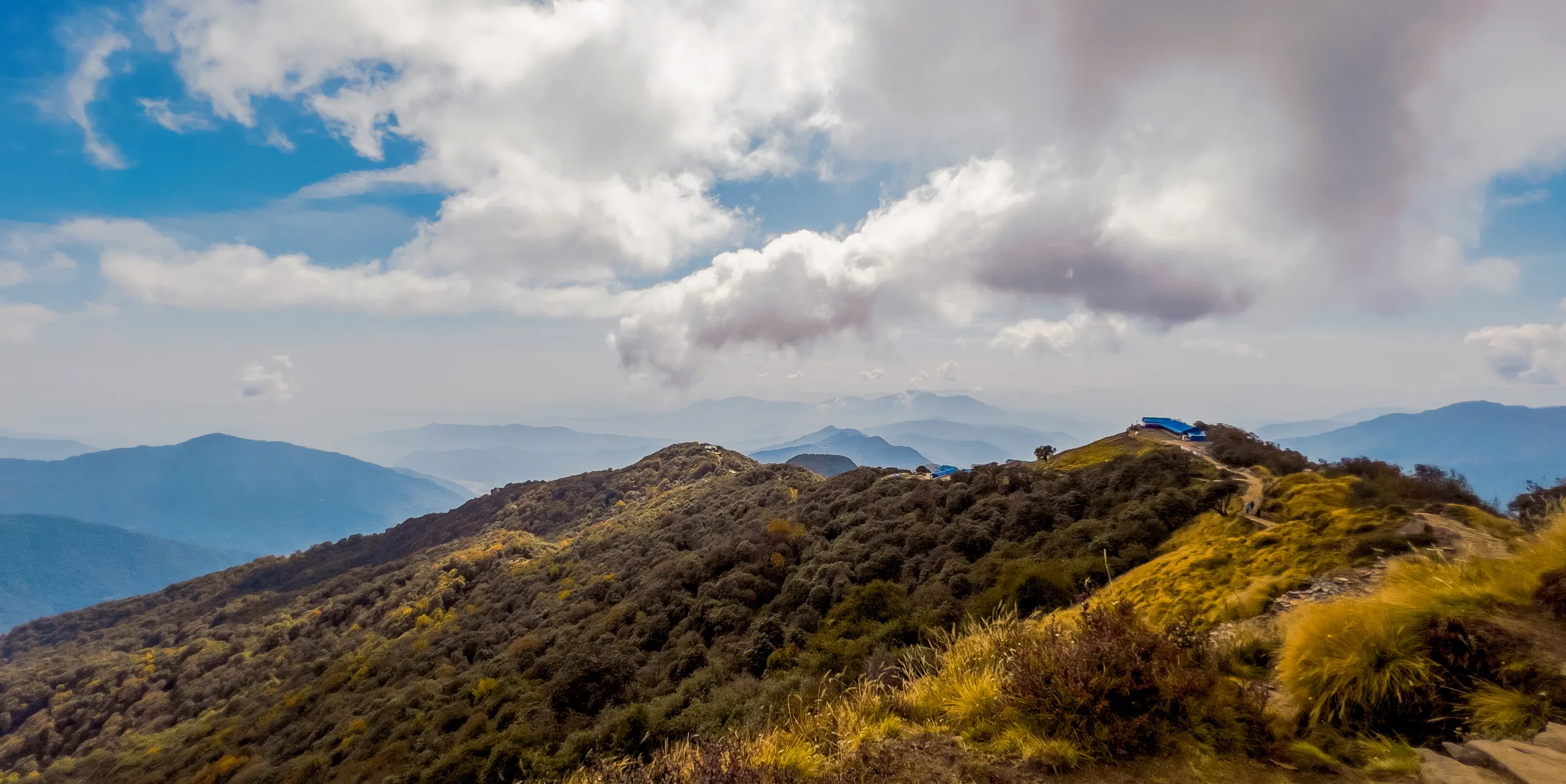
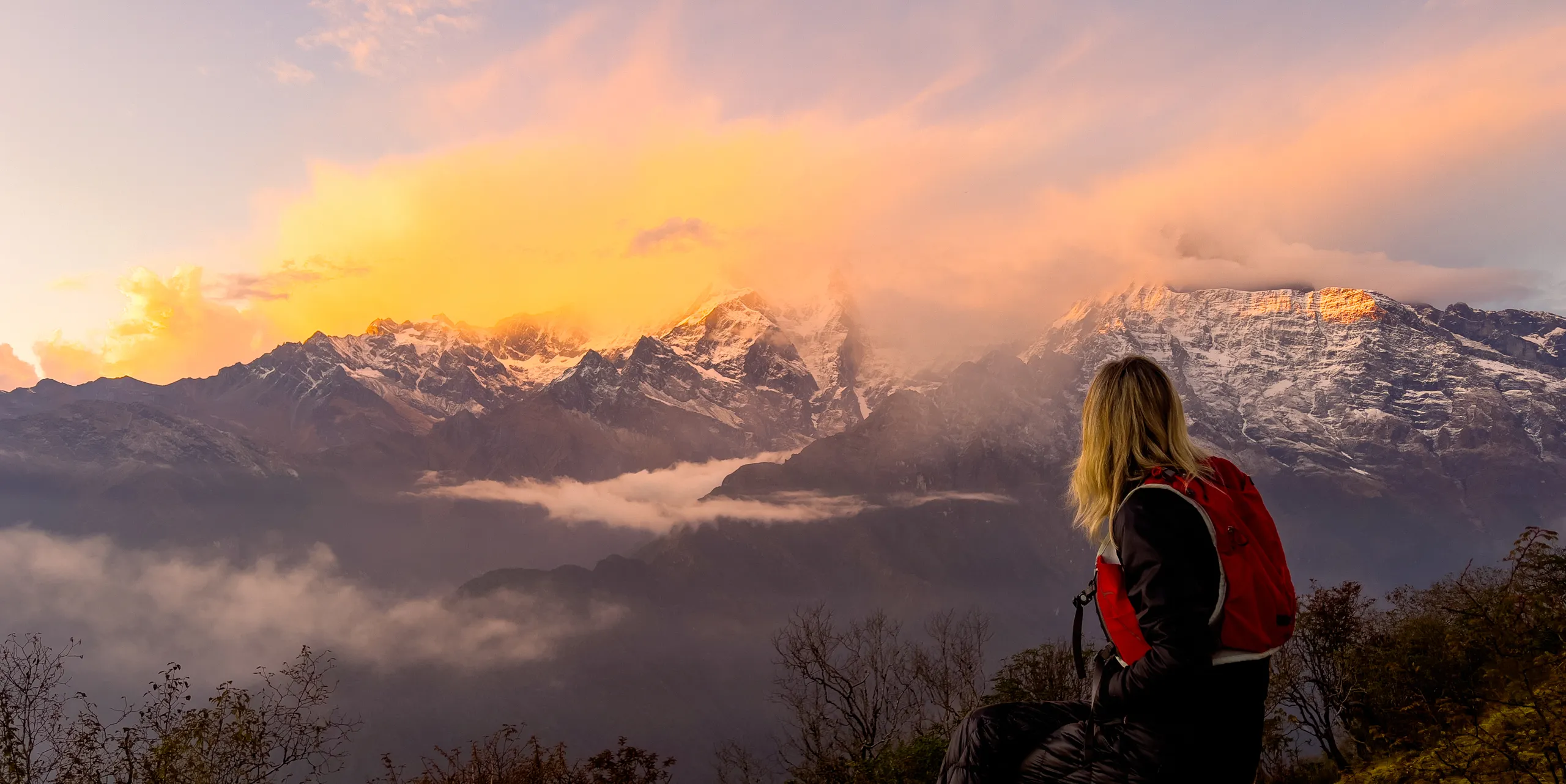
Hidden Nar Phu valleys + the classic Annapurna Circuit - two worlds, one epic Himalayan journey.
Hidden Nar Phu valleys + the classic Annapurna Circuit - two worlds, one epic Himalayan journey.
20 Days
5416 m
Moderate
Spring, Autumn
USD 3180
This itinerary combines the best of the Annapurna Circuit with the remote, culturally rich Nar Phu Valley, a restricted side-valley that feels like stepping into an older Himalayan world. From Kathmandu you drive into the Marsyangdi corridor to Dharapani, then trek to Koto-the gateway into Nar Phu where permits are checked-before leaving the main circuit behind and entering a dramatic landscape of narrow canyons, high alpine trails, and Tibetan-influenced villages.
Deep in the valley, you spend meaningful time in Phu and Nar, exploring their monasteries, traditional architecture, and high-mountain pastoral life before crossing Kang La to rejoin the Annapurna Circuit near Ngawal. From there, you continue to Manang to acclimatize, then complete the legendary high crossing of Thorong La and descend to the sacred pilgrimage site of Muktinath, finishing through the Kali Gandaki landscape to Jomsom-with a special cultural detour via Lupra Gompa, a rare Bon heritage village and monastery.
Arrive in Nepal’s capital and transfer to your hotel. The rest of the day is kept gentle so you can settle in, recover from travel, and start adjusting to the rhythm of the city. If time allows, a relaxed stroll through nearby streets is a great first glimpse of Kathmandu’s living heritage and everyday energy.
A flexible day for preparation and orientation. This is ideal for your trek briefing, permit and document checks, and making sure your gear is properly set up for colder high valley conditions later in the trip. If you choose to explore, Kathmandu’s historic neighborhoods, courtyards, and temple areas offer a rich cultural warm-up before the mountains.
You leave the Kathmandu Valley and head west and north into the hills, following river corridors and terraced landscapes deeper into the Annapurna region. As the road climbs, the air cools and the surroundings become more alpine. Arriving in Dharapani feels like a clear transition point - you are now in the trekking zone and the Himalaya is no longer a distant backdrop.
Today you begin on the established Annapurna Circuit trail network, moving through forested sections and mountain villages that sit along the valley. The scenery becomes increasingly rugged as you approach Koto, a key junction on the circuit and the recognized gateway into Nar Phu. This is also where Nar Phu permits are commonly checked before entering the restricted valley.
A major shift in atmosphere begins as you turn away from the main circuit and enter the Nar Phu corridor. The valley feels narrower and wilder, with dramatic rock walls and a sense of real remoteness. The trail threads deeper into a quieter landscape where settlements are fewer and the culture begins to feel more Tibetan-influenced. Reaching Meta feels like your first true arrival in the hidden valley world.
You continue higher into a more open, high alpine environment. The route moves through stark terrain shaped by wind and water, often dotted with chortens, prayer markers, and seasonal herding areas. Kyang is a small and remote settlement, and spending the night here makes the isolation of Nar Phu feel very real - quiet trails, big skies, and a strong mountain presence all around.
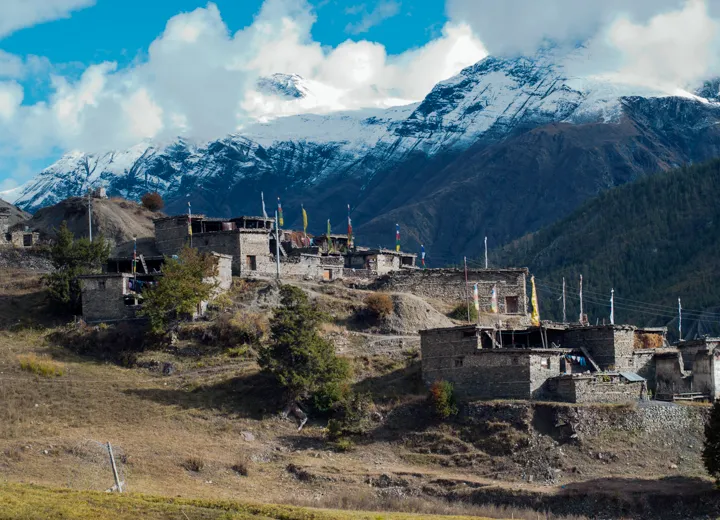
The trail leads deeper into the valley toward Phu, one of the trek’s most memorable villages. The setting feels tucked into a natural fortress of cliffs and high slopes, with traditional stone architecture and a strong high-mountain character. Arriving in Phu feels less like reaching a stop and more like stepping into a living Himalayan cultural pocket.
A full day here lets you experience Phu properly, not just pass through it. You can explore village lanes, observe daily life shaped by altitude and season, and visit important spiritual sites in and around the village. This day also supports acclimatization and gives your body time to feel stronger and more settled before the route continues higher.
You leave Phu behind and continue through high valley terrain toward Nar. The landscape remains rugged and airy, with a strong sense of being far from the main trekking highways. Nar is another major settlement with deep cultural roots and a strong traditional character, and arriving here sets you up well for exploration and the upcoming high pass crossing.
A slower day to explore Nar and its surroundings. You can wander the village, visit local religious landmarks such as prayer walls and chortens, and absorb the rhythm of life in a high Himalayan community. This pause is valuable for both acclimatization and experience - it makes the Nar Phu section feel immersive rather than rushed.
A defining day of the trek. You climb to Kang La, a high pass that links the Nar Phu side back to the Annapurna Circuit, then descend toward Ngawal. The reward is the dramatic transition - from remote hidden-valley wilderness back into the broader Manang region, where trails and village life feel more connected again.
You continue through the upper Manang Valley toward Manang, one of the circuit’s most important hubs. The region has a distinct high-altitude feel compared to the greener lower valleys, and Manang itself brings more facilities, more trekkers, and a lively atmosphere while still sitting in a serious mountain setting.
A dedicated acclimatization and exploration day. Many trekkers use this time to visit Braka (Braga) Monastery near Manang, a well-known spiritual site in the valley, and to explore viewpoints and the surrounding landscape at a relaxed pace. It is a practical and rewarding pause that helps you feel stronger before heading higher toward Thorong La.
You leave Manang and move into a higher alpine corridor where vegetation thins and the terrain feels more exposed. The trail builds a steady sense of anticipation as you approach the Thorong La region. Letdar is a quiet high stop focused on rest, warm meals, and continuing to adapt comfortably to the altitude.
You continue up the Thorong corridor into stark high mountain terrain. Depending on conditions and the group’s acclimatization, you may stay at Thorong Phedi or move higher to High Camp. Either option is chosen with the same goal - a calm, well-prepared night before the early start for the pass crossing.
The iconic circuit crossing day. You climb to Thorong La, the highest point of the trek, then descend into a noticeably drier landscape on the Mustang side. Reaching Muktinath feels like a major milestone - both as a trekking achievement and as a culturally important pilgrimage destination.
Instead of taking the most direct route, you follow a more culturally interesting trail via Lupra. Lupra is known for its Bon heritage and monastery, offering a rare cultural layer that many trekkers never see. After this detour, you continue to Jomsom, a major settlement in the Kali Gandaki corridor and the gateway for flights out.
You take a short, scenic flight from Jomsom to Pokhara, then continue onward to Kathmandu. Flights in this region are weather dependent, which is why the itinerary includes buffer time later. Returning to Kathmandu brings back city comfort and a chance to properly unwind after the high mountain days.
A free day for rest, shopping, or sightseeing, and a practical buffer for mountain flight logistics. Many guests use this day for a final celebratory meal, souvenir browsing, or simply relaxing before departure.
Transfer to the airport for your onward flight, or continue to your next destination in Nepal.
There aren’t any fixed departure dates set for this trek right now. This trek can still be done as a private trek, so please contact us to start planning it.
If you are looking to do this trip at your own custom dates or looking to customize this trip, please find more info and a trip request form by clicking on the button below.
What's Included:
What's Not Included:
Every trail has its own heartbeat. Whether you’re wondering about the altitude, the pace, or the best time to see the rhododendrons, we’re here to give you the ground truth.
Tell us your experience level, and we’ll tell you if this is the right rhythm for you.
No automated bots or sales pressure. Just a direct line to our team on the ground in Kathmandu.
If you're looking to book this trip as a private trip as your own dates for you, friends or even family, please feel to get in touch with us! Being a private trip this trip is priced differently from Fixed-departure trips.
Price Per Person
1 Pax:
3180 /-
2-4 Pax:
2180 /-
5-8 Pax:
1780 /-
Please find the details on what's included & excluded under the 'Inclusions' sections.
The trips are completely customizable with options to include add-ons at the end of your trips, change itineraries to include different trails, or even upgrade accommodations & transports as per your choice. Please feel free to let us know what you require using the form next to this and well get back to you as soon as possible with a custom itinerary as well as updated prices!
Namaste!
Feel free to let us know what your requirements are and one of us will get back to you with suggestions!
Before you go...
We're here to help you find the perfect trek. Let us know what's on your mind.