Tsum & Manaslu Cultural Circuit Trek
From:
USD 2,680
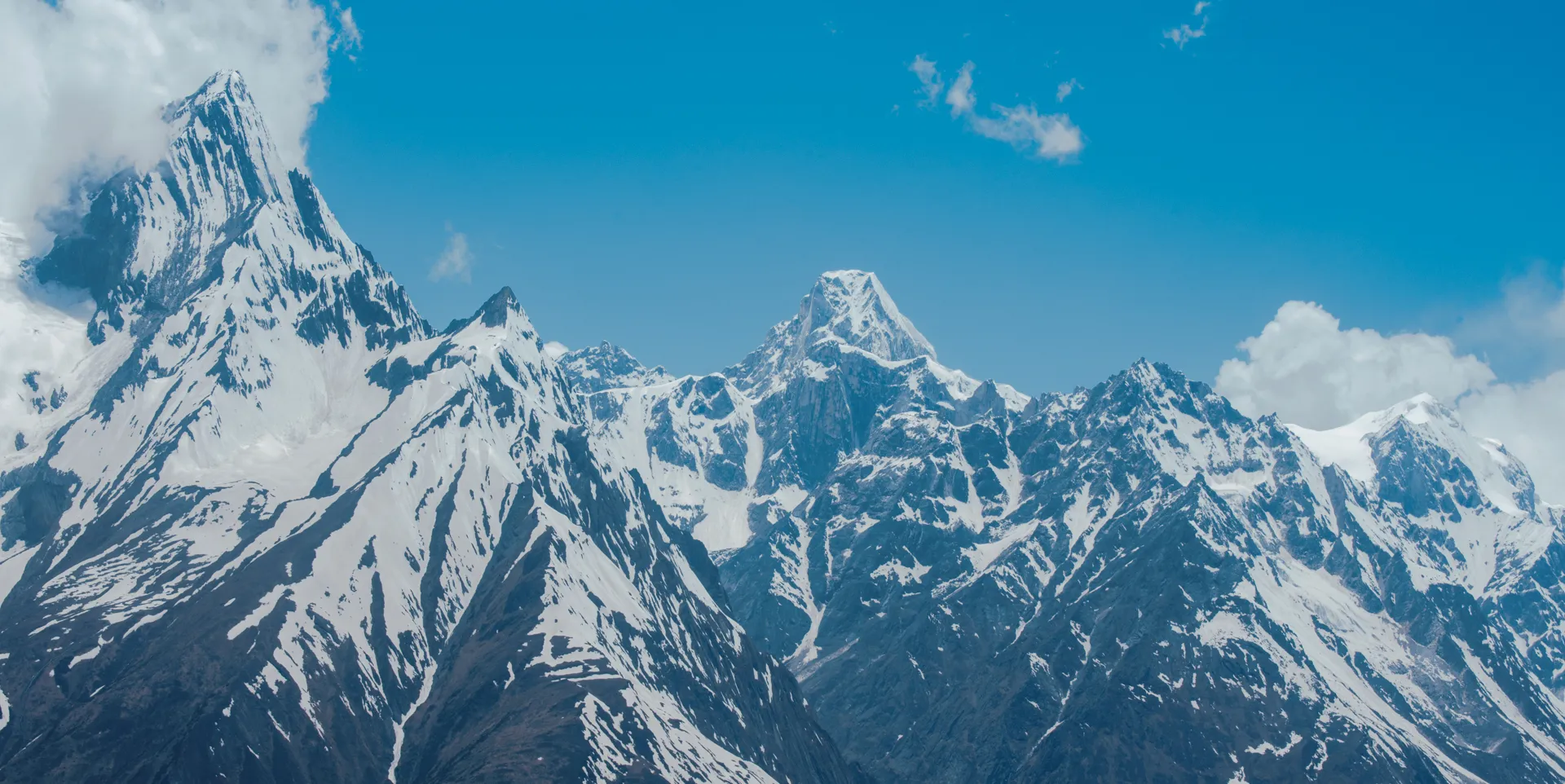
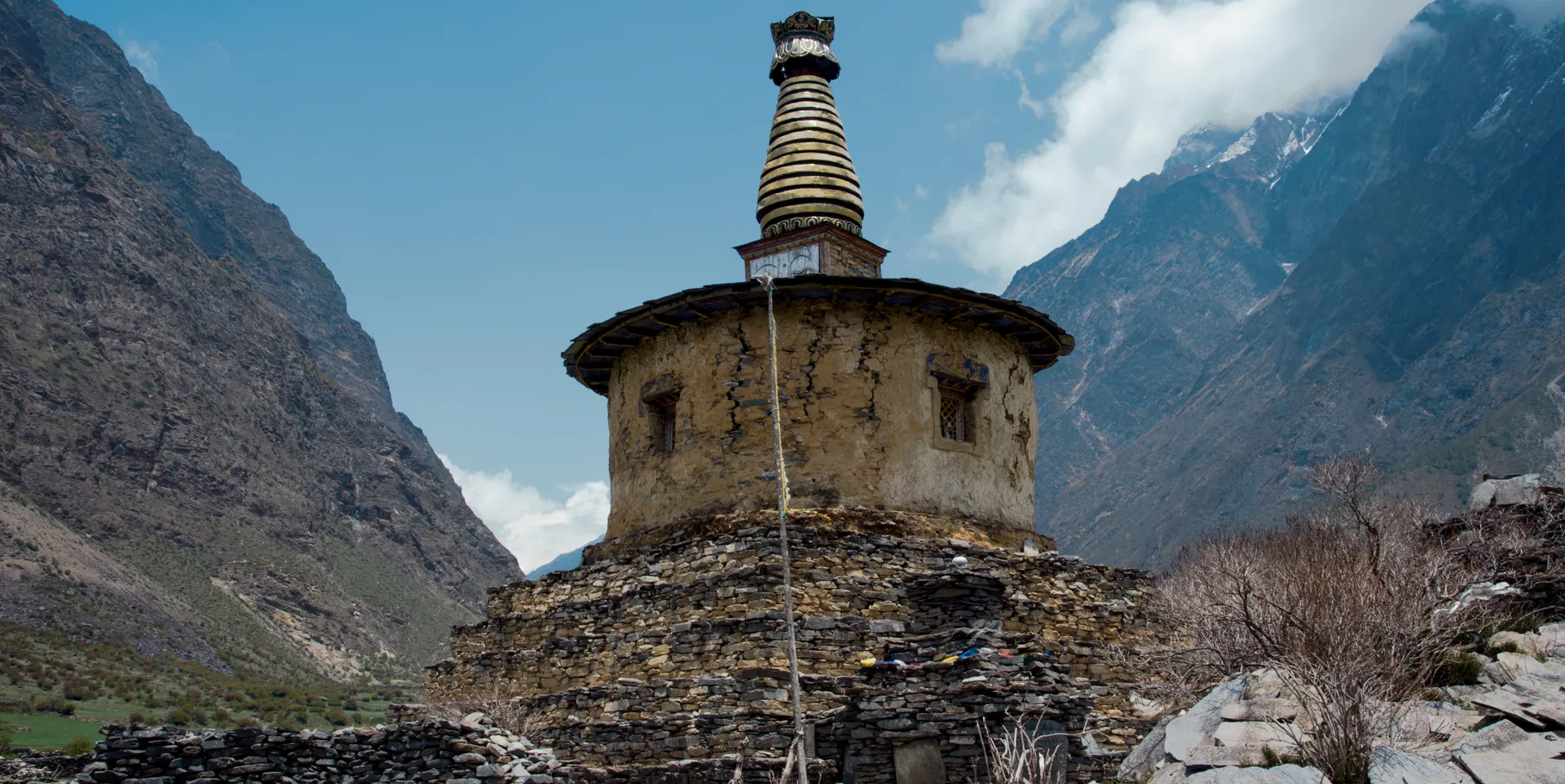
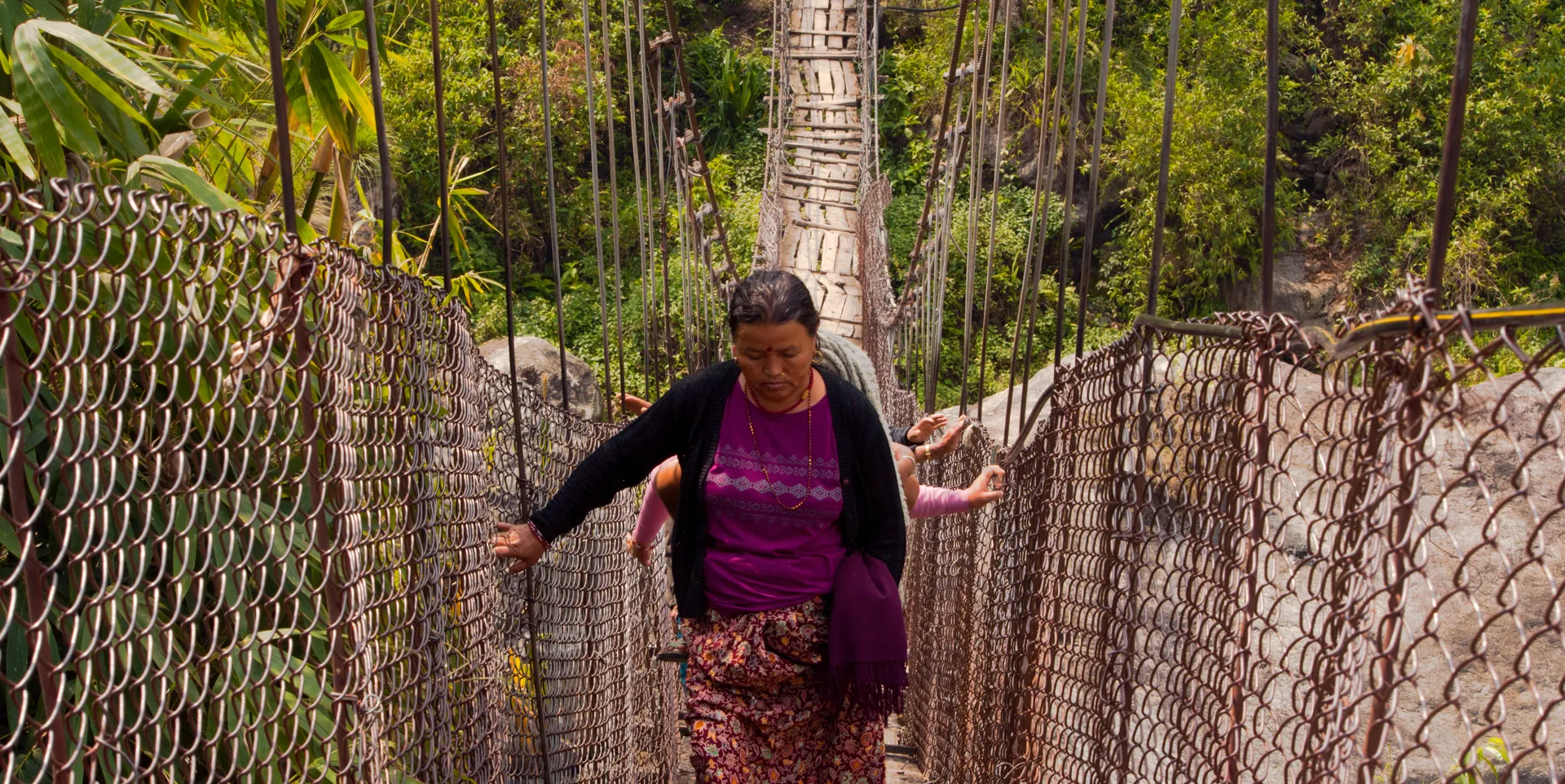
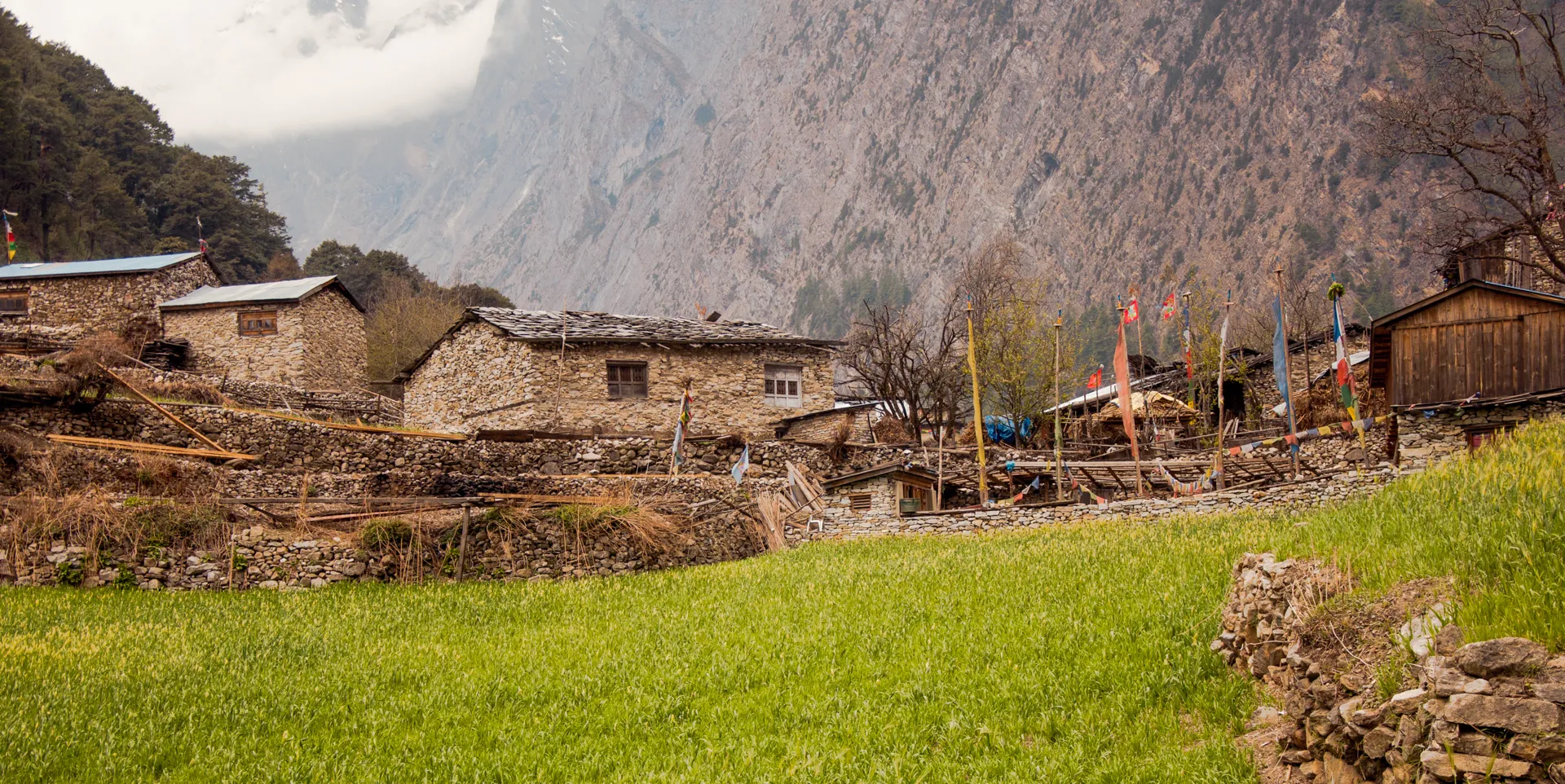
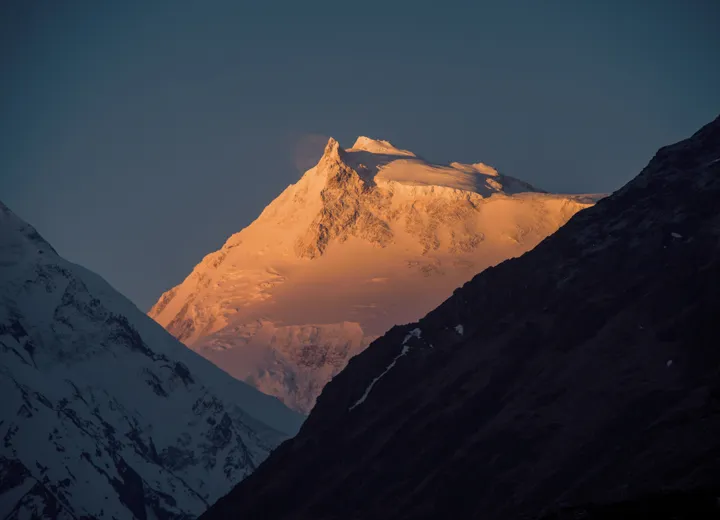
A quiet Himalayan journey into the sacred Tsum Valley - remote villages, ancient monasteries, and a peaceful Tibetan Buddhist culture.
A quiet Himalayan journey into the sacred Tsum Valley - remote villages, ancient monasteries, and a peaceful Tibetan Buddhist culture.
15 Days
4055 m
Easy
Spring, Autumn
USD 1580
The Tsum Valley Short Trek takes you into one of Nepal’s most culturally unique and quietly beautiful regions – the sacred Tsum Valley, known for its strong Tibetan Buddhist heritage and traditional mountain village life. You begin with Kathmandu support at Kathmandu Guest House (KGH), then drive into the Budhi Gandaki corridor and trek to Jagat before turning into the Tsum side valley. From there, the trail becomes noticeably calmer and more remote as you climb through Chumling and Chhokangparo toward Mu Gompa, the trek’s spiritual and geographic high point.
This itinerary is designed to feel immersive without rushing. You spend meaningful time in the upper valley, including time around Mu Gompa, then return via the same cultural corridor back to Jagat and drive to Kathmandu with buffer time at the end. Accommodation is in local teahouse lodges, and we choose the best available options in each village for comfort and cleanliness, keeping expectations practical for a remote region.
Arrive in Kathmandu and we transfer you to Kathmandu Guest House (KGH). The day is kept light so you can rest, hydrate, and recover from travel. If you arrive early, you can take a short walk nearby and pick up any last essentials for the trek. In the evening, we keep things calm so you start the journey feeling fresh and well-rested.
This is your second Kathmandu day, so it can be used for Optional World Heritage Sightseeing while still keeping time for trek preparation. You will also have a trek briefing, final gear checks, and practical planning for the road transfer and first trekking days. It is a good day to organize layers and footwear, since the trek starts in warm low valleys and gradually climbs higher. A relaxed evening helps you rest well before the drive tomorrow.
You drive out of Kathmandu and follow river valleys and hillside roads toward the Budhi Gandaki region. The scenery shifts from city edges to terraced countryside and then into deeper valleys as the road becomes more rugged. This is a travel-heavy day, so we keep the timing realistic and take comfort stops as needed. Machhakhola is a classic trail gateway where the trekking rhythm begins the next morning.
Your first trekking day follows the Budhi Gandaki corridor with riverside trails, suspension bridges, and small settlements. The route feels lively and local, and it is ideal for settling into your walking rhythm without rushing. As you gain a little height, the valley starts to feel more mountainous and the air slightly cooler in the evenings. Jagat is an important checkpoint village and a natural place to rest well before heading into the quieter Tsum side valley.
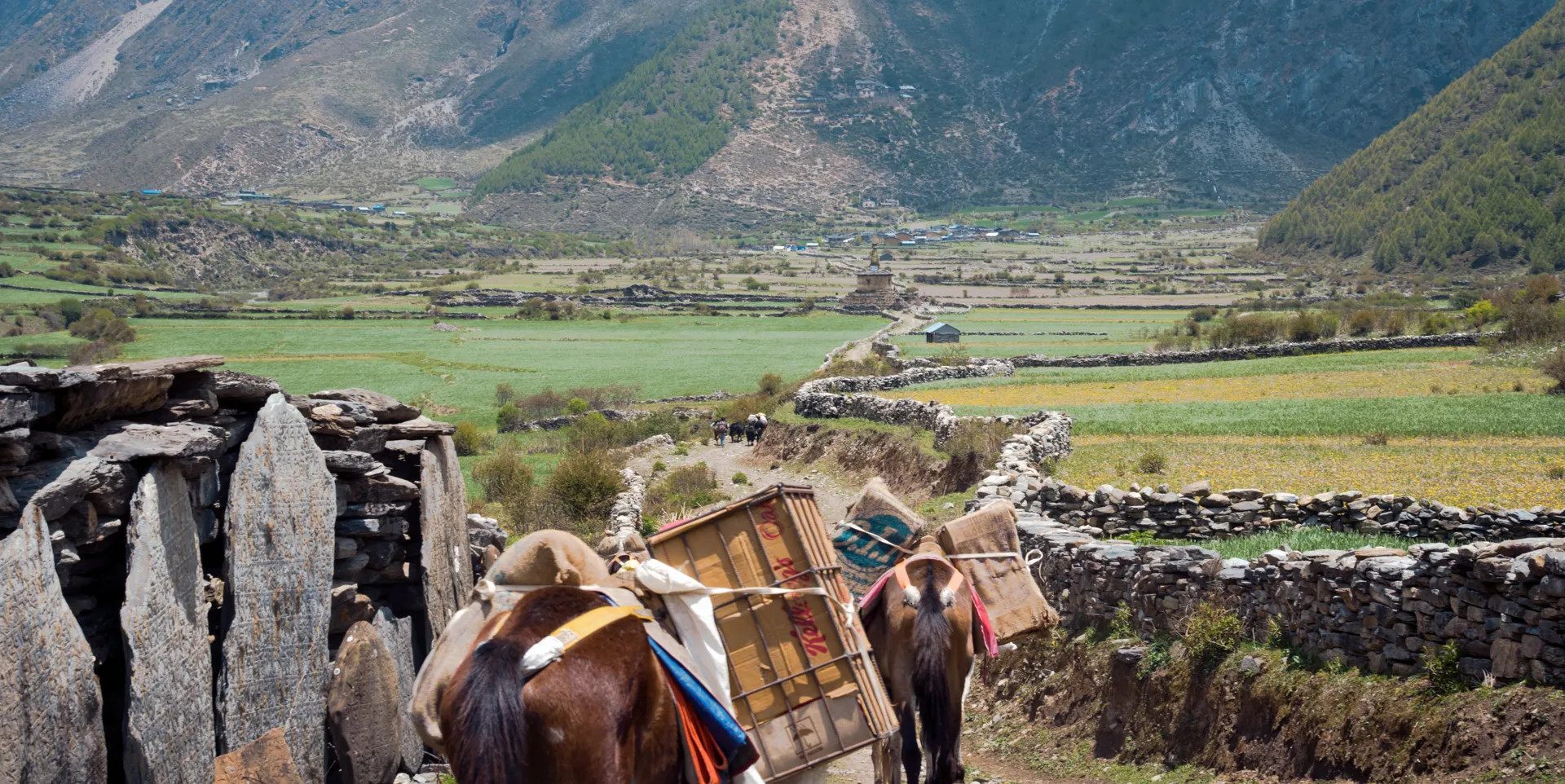
Today continues up the valley with more Himalayan trail character, including mani walls and cultural markers becoming more noticeable. The scenery alternates between narrow gorge sections and more open village areas, keeping the day varied. Ekle Bhatti is a quieter stop that positions you well for the turn into the Tsum Valley direction. The evening is a good time to rest and prepare because the trail becomes more remote from tomorrow onward.
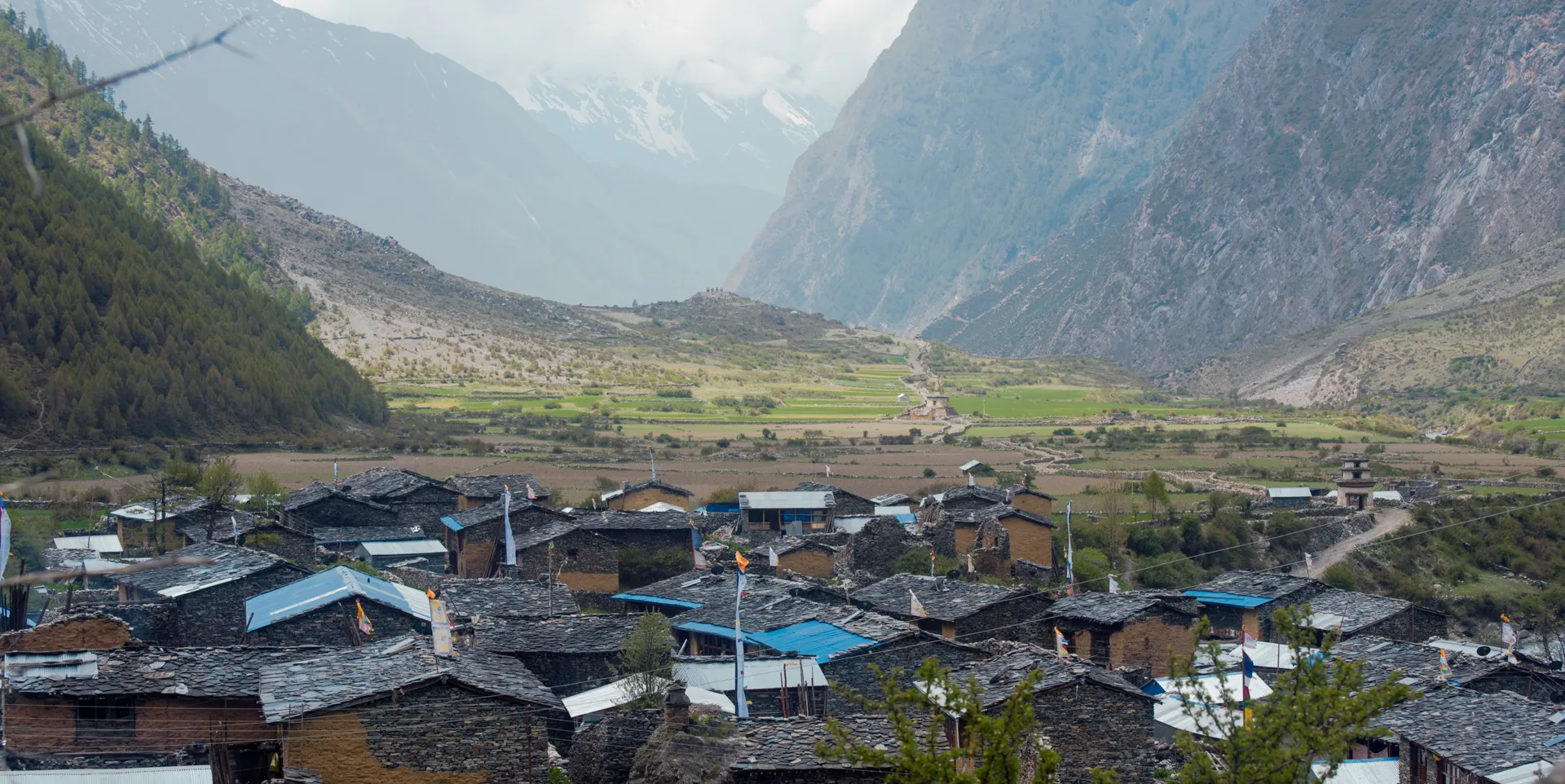
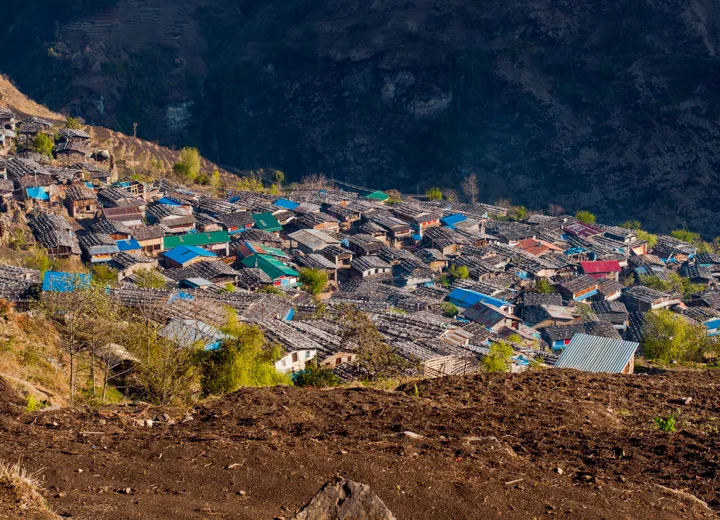
This is the day you properly enter the Tsum Valley corridor and the atmosphere becomes noticeably calmer. The landscape shifts into a quieter side valley with traditional settlements and a stronger Tibetan Buddhist cultural feel. Chumling is one of the key villages in the lower Tsum area, and arriving here feels like reaching a different world compared to the busier main corridor. You will have time to settle in, enjoy the village atmosphere, and rest well before moving higher.
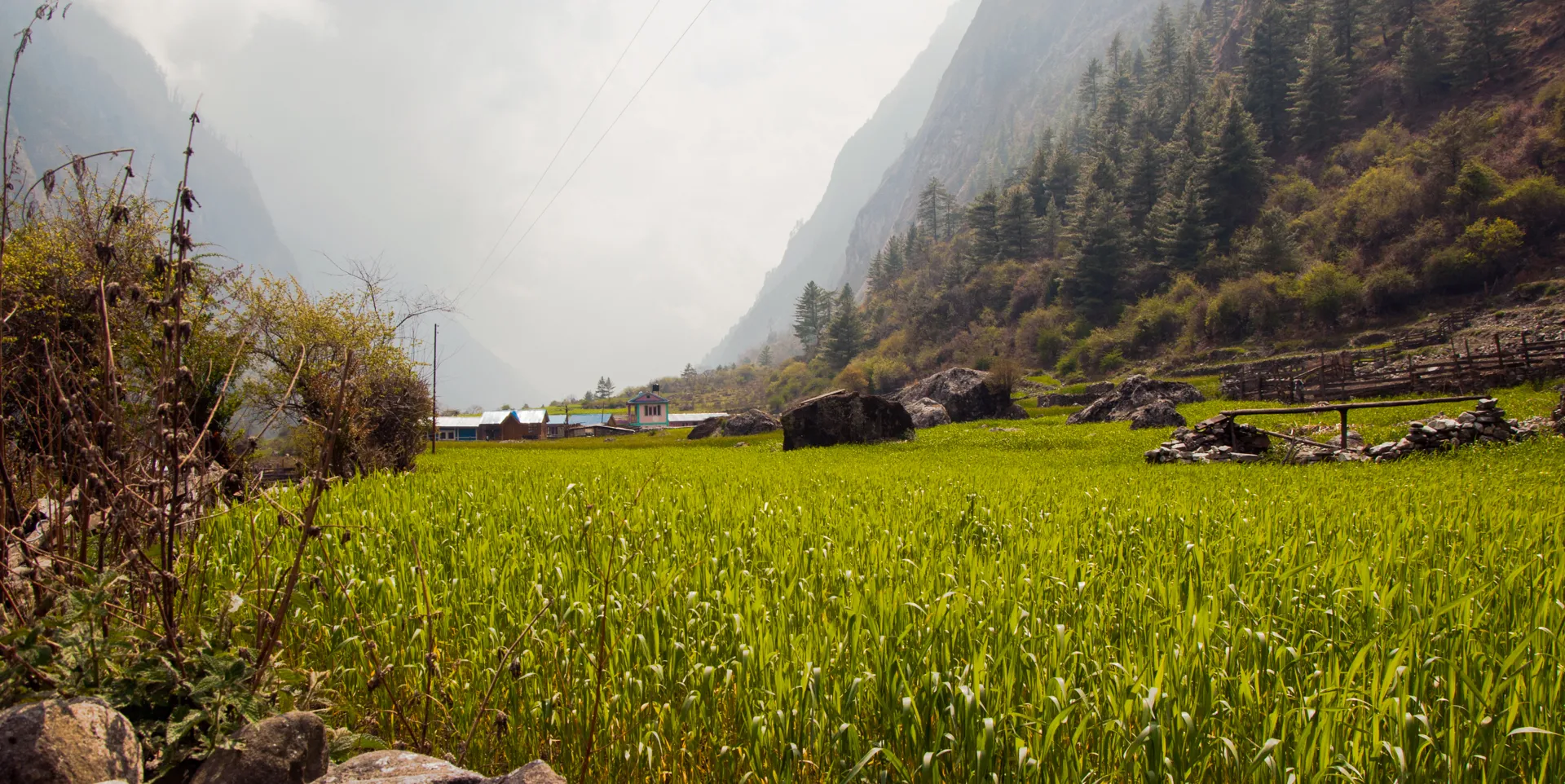
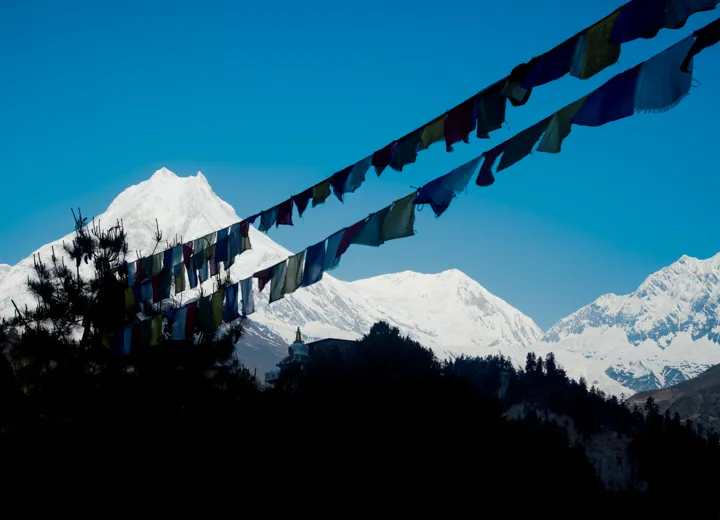
You climb deeper into the upper Tsum Valley and the environment becomes cooler and more open. Village life here feels distinctly traditional, and the day often includes long mani walls, prayer flags, and a strong sense of sacred valley culture. Chhokangparo is a major upper-valley village and is well positioned for exploration and acclimatization. The evening here is peaceful and the mountain atmosphere feels much stronger than the lower days.
Today you continue to the upper end of the valley to reach Mu Gompa, the trek’s spiritual and geographic high point. The terrain feels more alpine and the sense of remoteness increases as settlements become fewer. Mu Gompa is a memorable place to stay because it feels like a true mountain monastery outpost. After arrival, it is best to rest, hydrate, and enjoy the quiet of the upper valley setting.
This day blends exploration with a gradual descent, which is a smart way to keep the trek comfortable. You can spend time around Mu Gompa and the upper valley environment before beginning the trek down to Chule. Chule is a quiet village stop that allows you to break up the return journey while still staying within the cultural heart of Tsum. The evening is calm and gives you time to reflect on the experience at the top of the valley.
You continue descending through the upper valley, revisiting familiar trails with a different perspective. The air begins to feel slightly richer as you lose altitude, and the walking often feels easier on breathing. Returning to Chhokangparo is comfortable because you already know the village layout and lodge setting. It is also a good chance to enjoy another peaceful night in one of the valley’s main cultural stops.
Today you descend toward the lower valley transition zone, where the landscape becomes greener and more sheltered. You will notice more trees returning and a warmer feel in the air as you drop. Lokpa is a well-known stop on the route and works well for breaking up the return into manageable stages. The evening is ideal for rest and recovery as you prepare to reconnect with the Jagat corridor soon.
You continue back toward Jagat, with the trail gradually becoming more active again as you rejoin the main corridor. The day often feels satisfying because it marks the completion of the Tsum Valley section while still keeping you on foot in a remote setting. Back in Jagat, facilities and village activity can feel noticeably more lively compared to the quiet upper valley. A good night’s rest here sets you up for the drive back to Kathmandu tomorrow.
You complete the final walking section and then transition to road travel back to Kathmandu. The shift from trail to vehicle feels like a clear “trek complete” moment, even though the journey continues through the hills. Once in Kathmandu, we transfer you to Kathmandu Guest House (KGH) where a hot shower and city comfort feel like a real reward. The evening is great for a celebratory dinner and a relaxed wind-down.
A free day in Kathmandu that can be used for Optional World Heritage Sightseeing, shopping, or simply resting. It also acts as a practical buffer in case road travel timing shifts. Many guests use this day for souvenirs, café time, and relaxed packing. Keeping the day unhurried makes departure day feel easy and stress-free.
We transfer you to Tribhuvan International Airport (TIA) for your onward flight home.
There aren’t any fixed departure dates set for this trek right now. This trek can still be done as a private trek, so please contact us to start planning it.
If you are looking to do this trip at your own custom dates or looking to customize this trip, please find more info and a trip request form by clicking on the button below.
What's Included:
What's Not Included:
Every trail has its own heartbeat. Whether you’re wondering about the altitude, the pace, or the best time to see the rhododendrons, we’re here to give you the ground truth.
Tell us your experience level, and we’ll tell you if this is the right rhythm for you.
No automated bots or sales pressure. Just a direct line to our team on the ground in Kathmandu.
If you're looking to book this trip as a private trip as your own dates for you, friends or even family, please feel to get in touch with us! Being a private trip this trip is priced differently from Fixed-departure trips.
Price Per Person
1 Pax:
2180 /-
2-4 Pax:
1580 /-
5-8 Pax:
1280 /-
Please find the details on what's included & excluded under the 'Inclusions' sections.
The trips are completely customizable with options to include add-ons at the end of your trips, change itineraries to include different trails, or even upgrade accommodations & transports as per your choice. Please feel free to let us know what you require using the form next to this and well get back to you as soon as possible with a custom itinerary as well as updated prices!
Namaste!
Feel free to let us know what your requirements are and one of us will get back to you with suggestions!

Before you go...
We're here to help you find the perfect trek. Let us know what's on your mind.