Tengboche Mani Rimdu Trek
From:
USD 1,680USD 1,580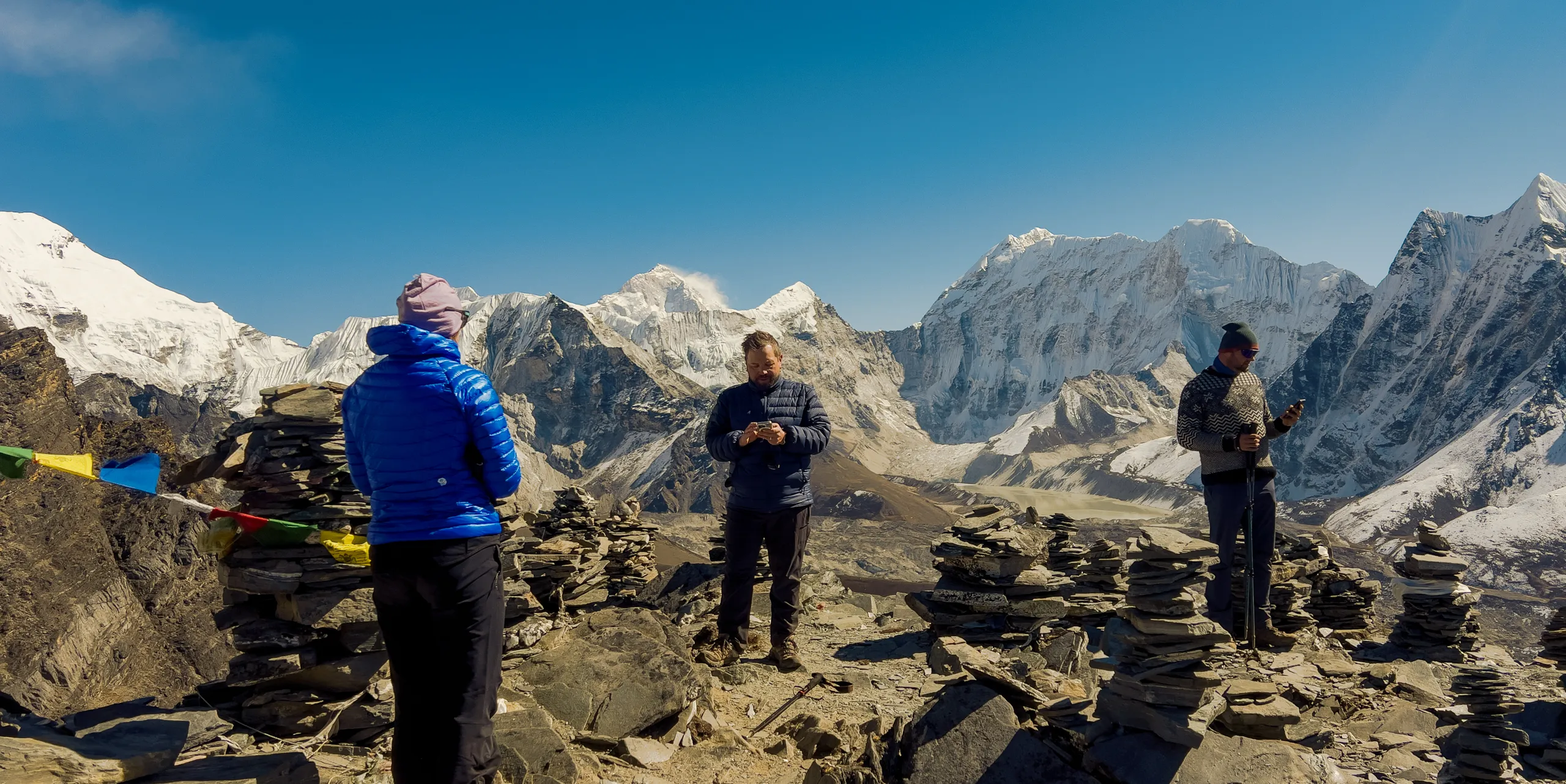
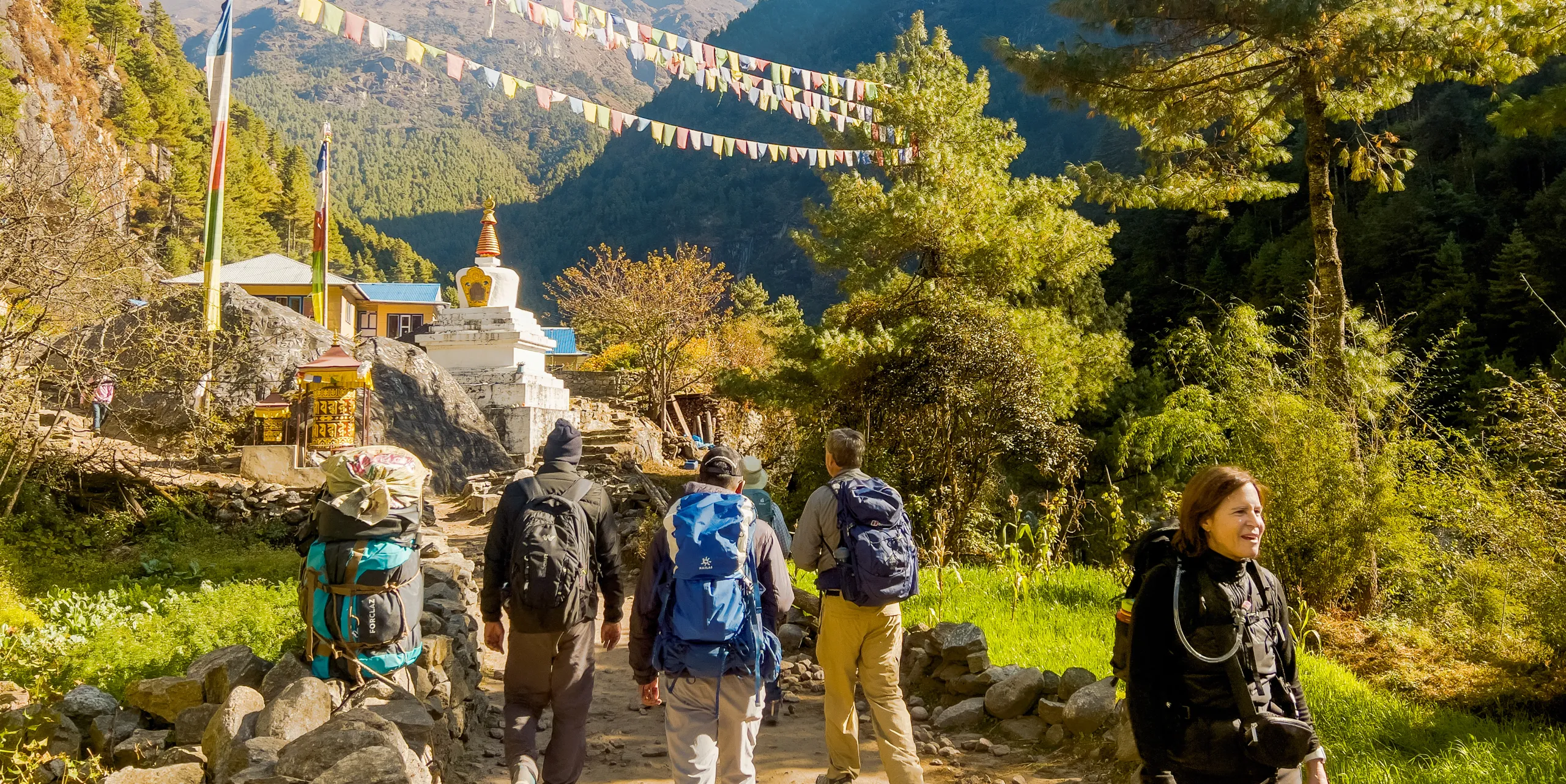
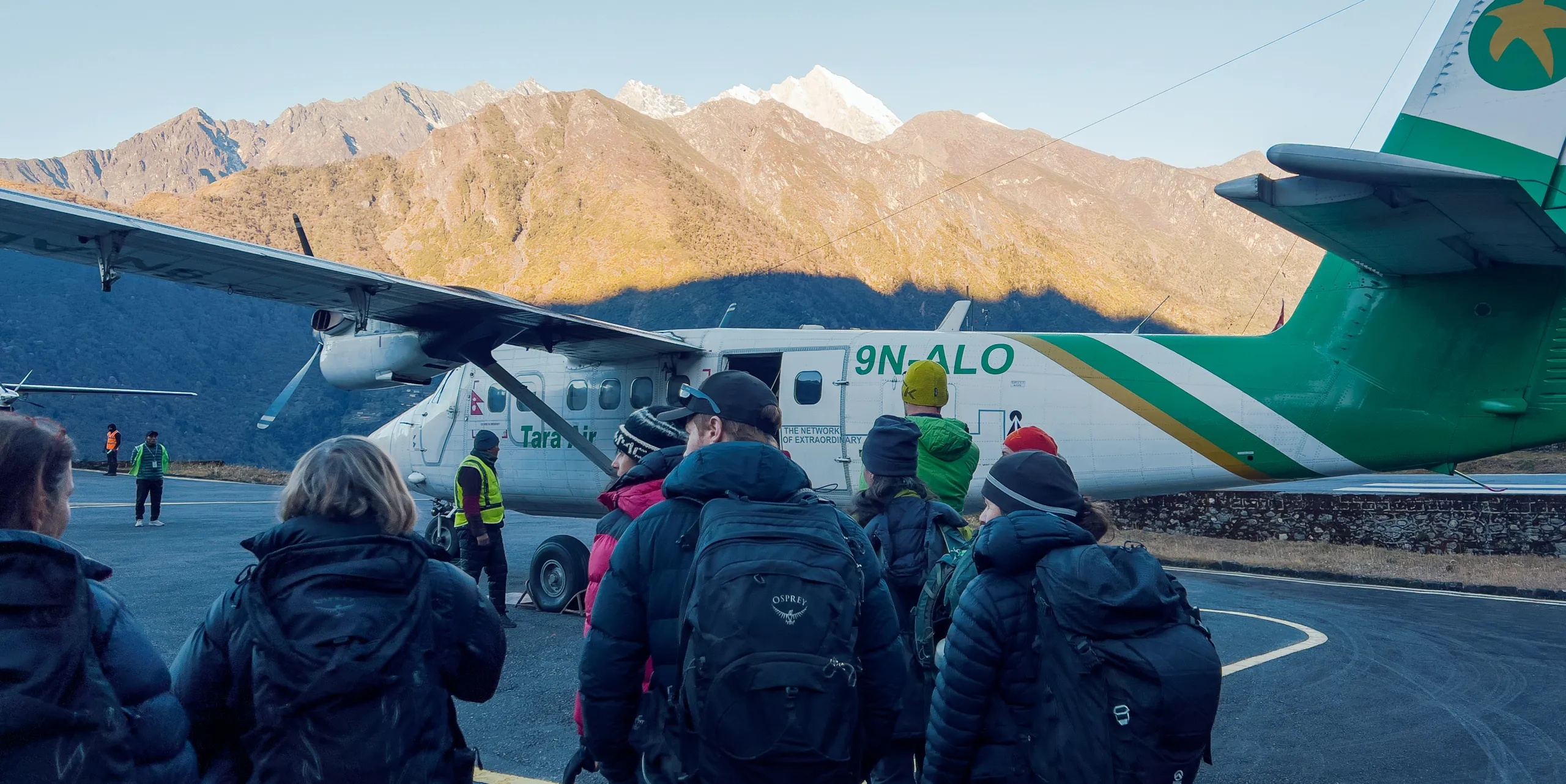
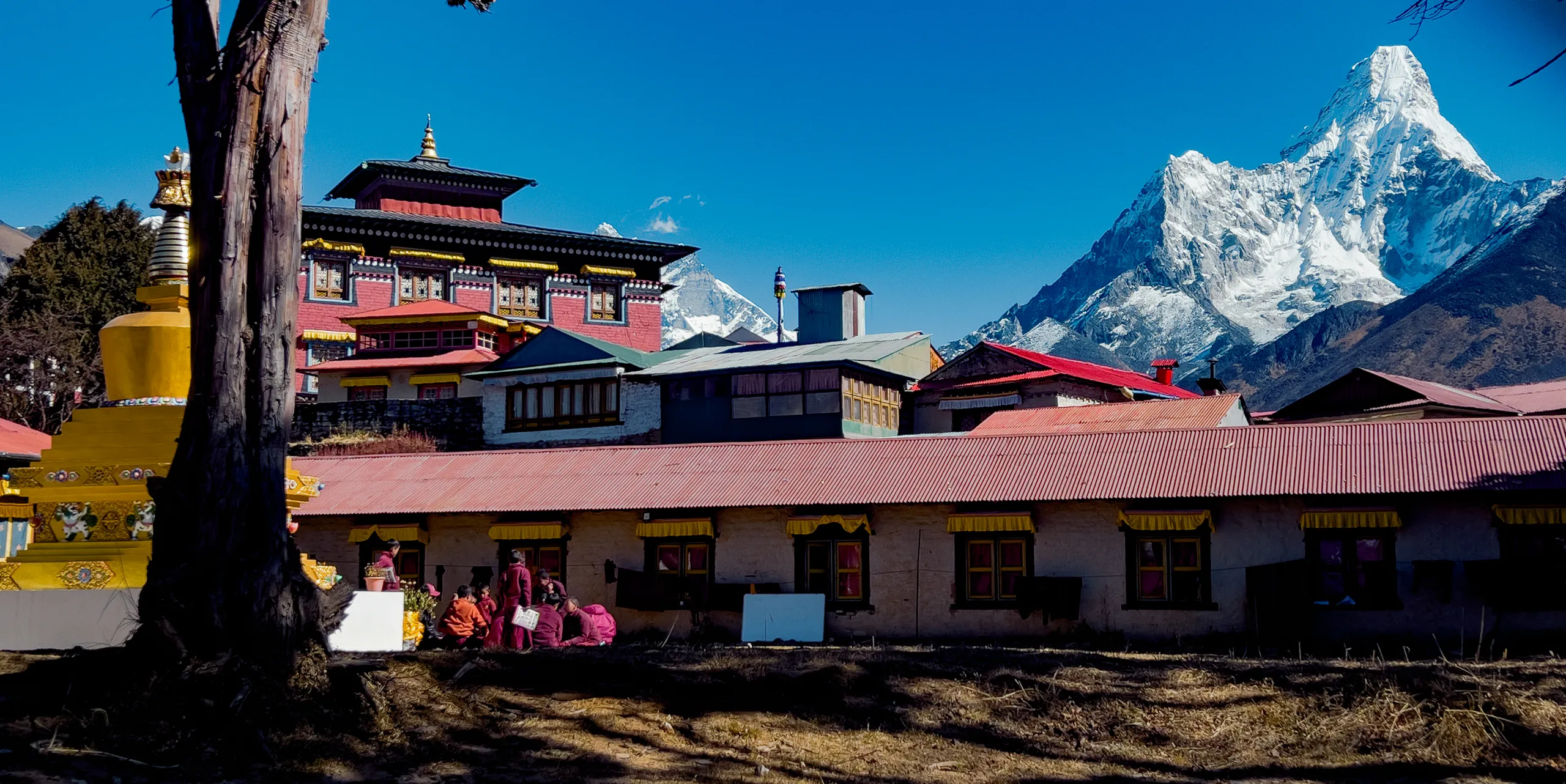
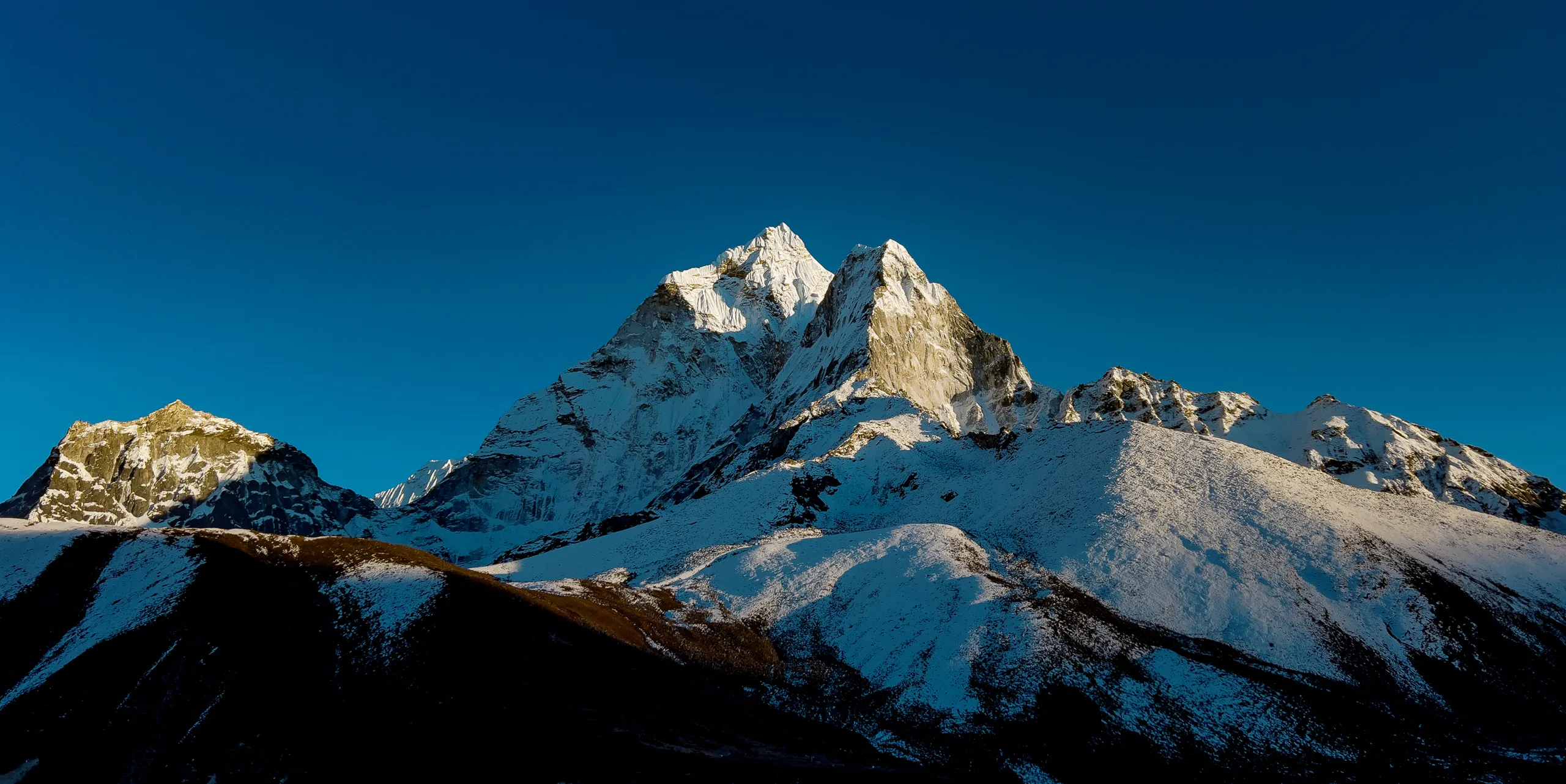
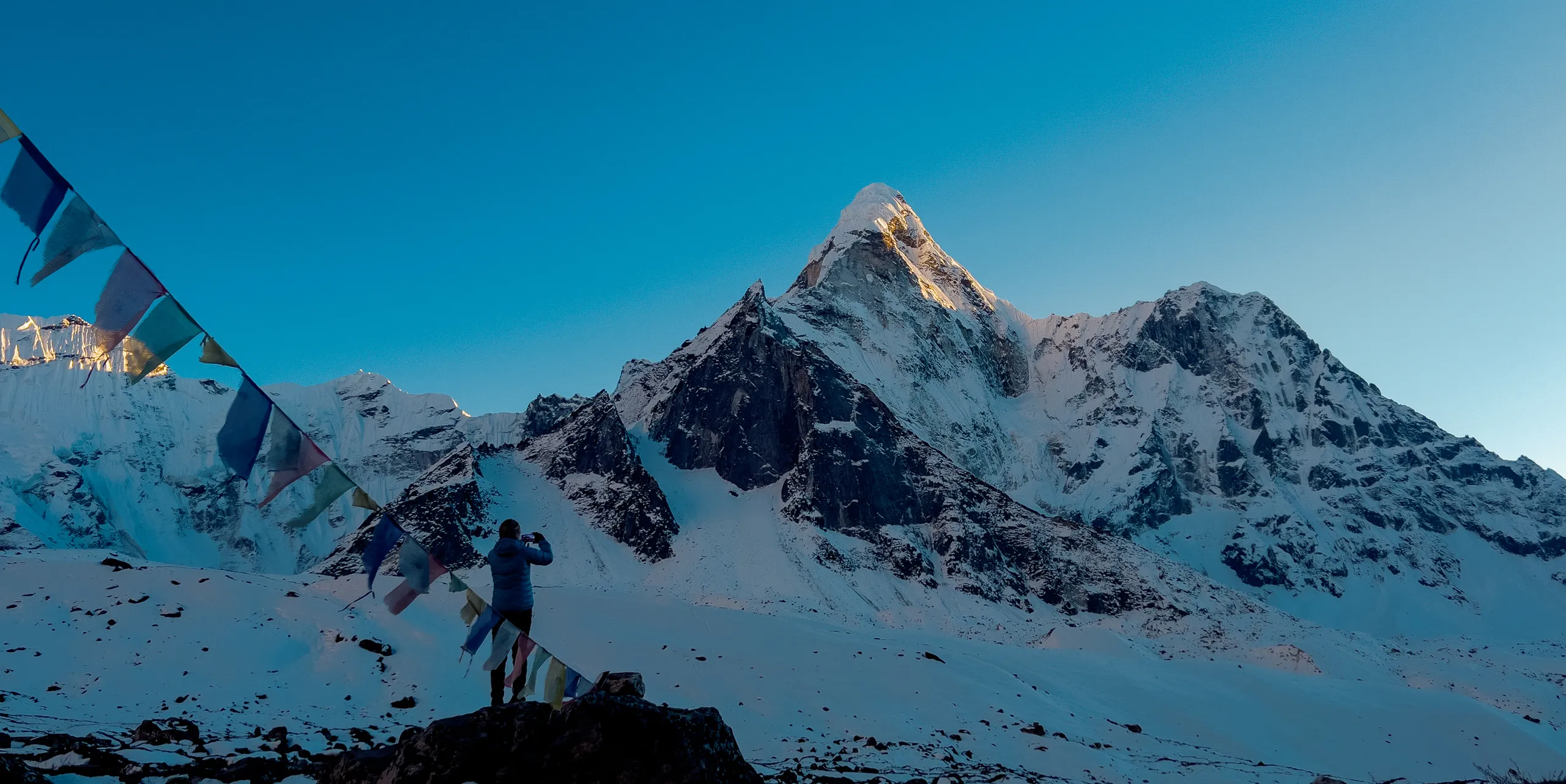
Everest Base Camp, Gokyo Lakes, and the full Three Passes challenge - the ultimate Khumbu traverse.
Everest Base Camp, Gokyo Lakes, and the full Three Passes challenge - the ultimate Khumbu traverse.
24 Days
5560 m
Challenging
Autumn
USD 2880
The Everest Three High Pass Trek is the most complete trekking journey in the Khumbu – combining the classic Everest Base Camp route with the stunning Gokyo Valley, then linking everything together via three high Himalayan passes: Kongma La, Cho La, and Renjo La. You start with smart acclimatization in Namche Bazaar, including a hike to the Everest View area, then take a quieter cultural route via Phortse before heading deeper into the high valleys.
From Chhukhung you build strength with a day hike to Chhukhung Ri, then cross Kongma La to reach the Everest Base Camp side for EBC and Kala Patthar. Next comes Cho La Pass, which connects you into the Gokyo Valley for its turquoise lakes and big panoramas from Gokyo Ri (or the Fifth Lake). Finally, you cross Renjo La and descend through Lungden and Thame, completing a true circuit-style trek that feels adventurous, varied, and deeply rewarding. In Kathmandu, you stay at Kathmandu Guest House (KGH) as your base before and after the trek.
Arrive in Kathmandu and transfer to Kathmandu Guest House (KGH). The day is kept light so you can settle in, rest, and start the trip feeling fresh.
If you arrive early, a short walk and a calm dinner is the perfect low-effort start.
This day stays flexible depending on Lukla flight operations. If flights are running from Kathmandu, use the day for a trek briefing, gear check, and an easy evening at KGH.
If flights are routed via Manthali, you drive out of the valley and position for the early morning flight next day.
(Overnight sleeping altitude is 474m if staying in Manthali)
After the mountain flight into Lukla, you begin trekking along the Dudh Koshi valley on a classic Khumbu trail. Expect suspension bridges, small villages, and forested riverside paths that ease you into the trek naturally.
Monjo is a comfortable first valley stop that sets you up well for the climb to Namche.
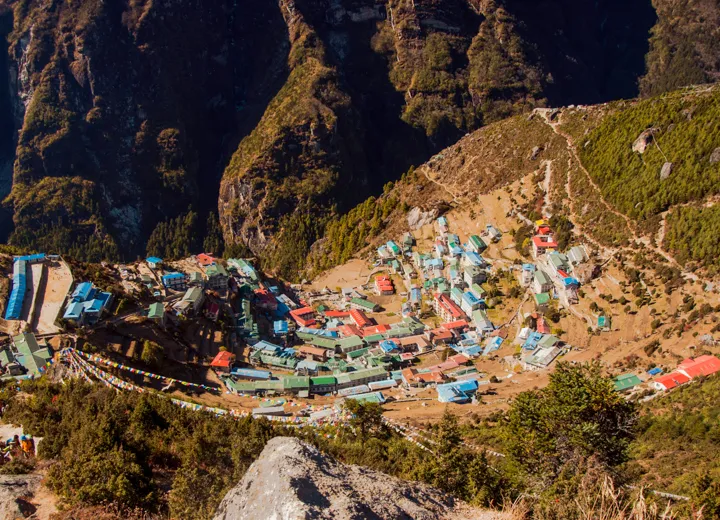
Today you enter Sagarmatha National Park and follow the river upstream, with bridges and valley viewpoints appearing regularly. The final climb into Namche is a true milestone moment as the amphitheatre-shaped town comes into view across the hillside.
After arrival, the rest of the day is perfect for settling in and enjoying Namche’s lively mountain town atmosphere.
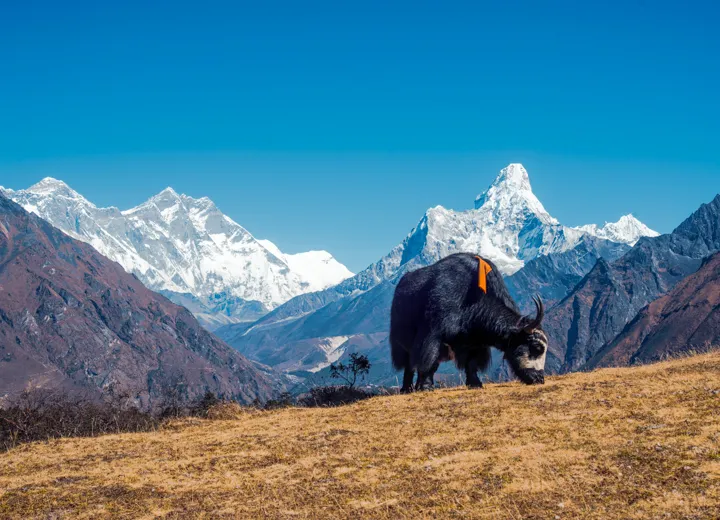
A classic acclimatization day above Namche - you climb high enough to gain height safely, then return to sleep lower. The trails above Namche are famous for big Himalayan panoramas on clear days.
This is also a confidence-building day that prepares your body for the higher valleys ahead.
You leave the busier main route and take a quieter path toward Phortse, a traditional Sherpa village known for a calmer, more local feel. The day often feels more peaceful, with wide valley perspectives and fewer crowds.
Phortse is an excellent place to slow down and enjoy authentic village rhythm at altitude.
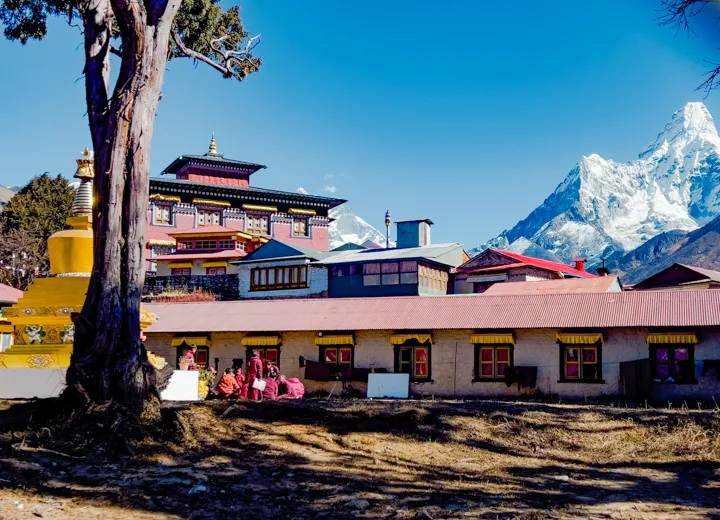
You continue into the upper Khumbu with increasingly dramatic mountain scenery and a stronger high-Himalaya atmosphere. Pangboche is one of the region’s most important Sherpa settlements, well known for its monastery heritage and iconic mountain surroundings on clear days.
It’s a rewarding day where culture and scenery start to feel fully “Everest region.”
The trail transitions into a more open alpine environment with fewer trees and wider horizons. Dingboche sits in the upper valley and is one of the most common acclimatization bases in the region.
The afternoon is ideal for resting, hydrating, and soaking in the high mountain energy.
You move into the Chhukhung side valley, a beautiful alpine basin beneath glaciated peaks and steep ridgelines. This is a key positioning day for both acclimatization and the pass sequence ahead.
Chhukhung feels quieter and more remote than the main valley, with a strong high-altitude mood.
A full day to gain altitude safely and build strength. The climb to Chhukhung Ri is a classic high viewpoint outing that helps your body adapt before the first major pass.
You return to Chhukhung for a second night, which is valuable for recovery and acclimatization.
A major high mountain day and the first of the three passes. You climb toward Kongma La and cross into the rugged, glacial landscape on the Everest Base Camp side.
Reaching Lobuche afterwards feels like stepping into an expedition-style environment, with rocky moraine terrain and high peaks all around.
You follow glacial moraines to Gorak Shep, the last settlement on this side of the trail corridor. After a rest, you continue to Everest Base Camp to experience the famous South Base Camp area and the Khumbu Glacier environment.
You return to Gorak Shep for the night, surrounded by high-altitude scenery.
An early start for Kala Patthar, the most famous trekking viewpoint day in the Everest region. The sunrise and morning light can be unforgettable when weather is clear.
After the viewpoint, you descend and trek back to Lobuche for a better night’s rest.
You leave the main EBC corridor and take the quieter trail toward Dzongla, the staging point for Cho La Pass. The scenery feels wilder and more intimate, and the route becomes noticeably less busy.
Dzongla is a great place to rest and prepare calmly for the next pass.
A defining high-pass day linking the Everest Base Camp side to the Gokyo Valley. Cho La can involve snowy or icy sections depending on season, and the landscape feels strongly alpine and glaciated.
Thagnak sits on the Gokyo side near the Ngozumpa Glacier zone and feels like a true high-mountain outpost.
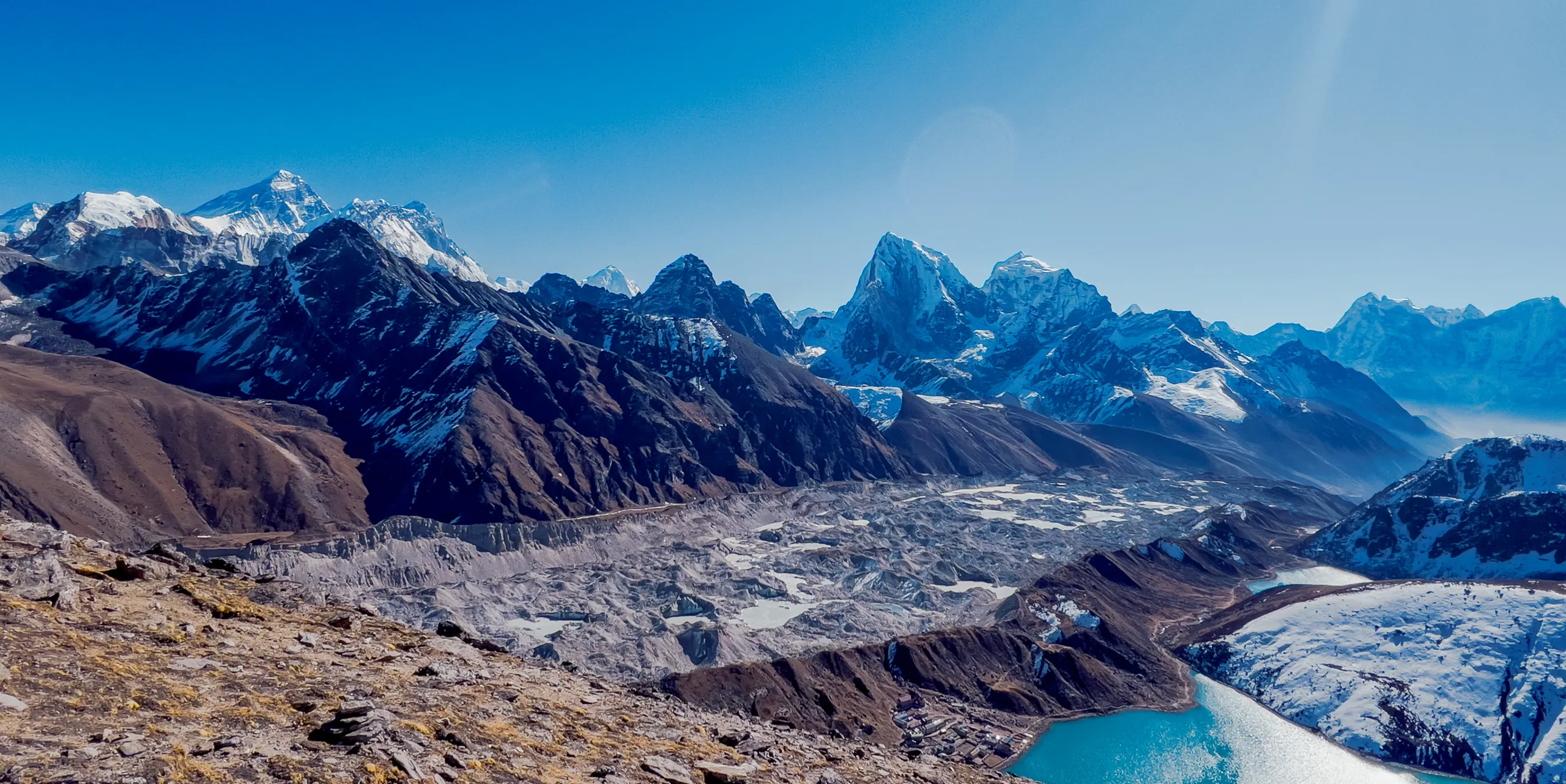
You continue deeper into the Gokyo Valley with dramatic glacier and moraine scenery. The arrival into Gokyo is special - the lakes appear in striking color when skies are clear, and the setting feels calmer and more open than the Khumbu Glacier corridor.
This is a perfect afternoon for a slow walk and lake views rather than rushing.
A flexible highlight day. Gokyo Ri is the classic climb for a wide Himalayan panorama, while the walk toward the Fifth Lake area offers a quieter experience above the main settlement with a stronger sense of wilderness.
Either option adds a powerful scenic finale before you begin the final pass section of the trek.
The third and final high pass day. Renjo Pass is often appreciated for its scenery and its quieter feel compared to the busier EBC corridor, especially as you descend toward the Bhote Koshi side.
Lungden is a remote-feeling settlement that marks your transition toward the Thame valley and the final return loop.
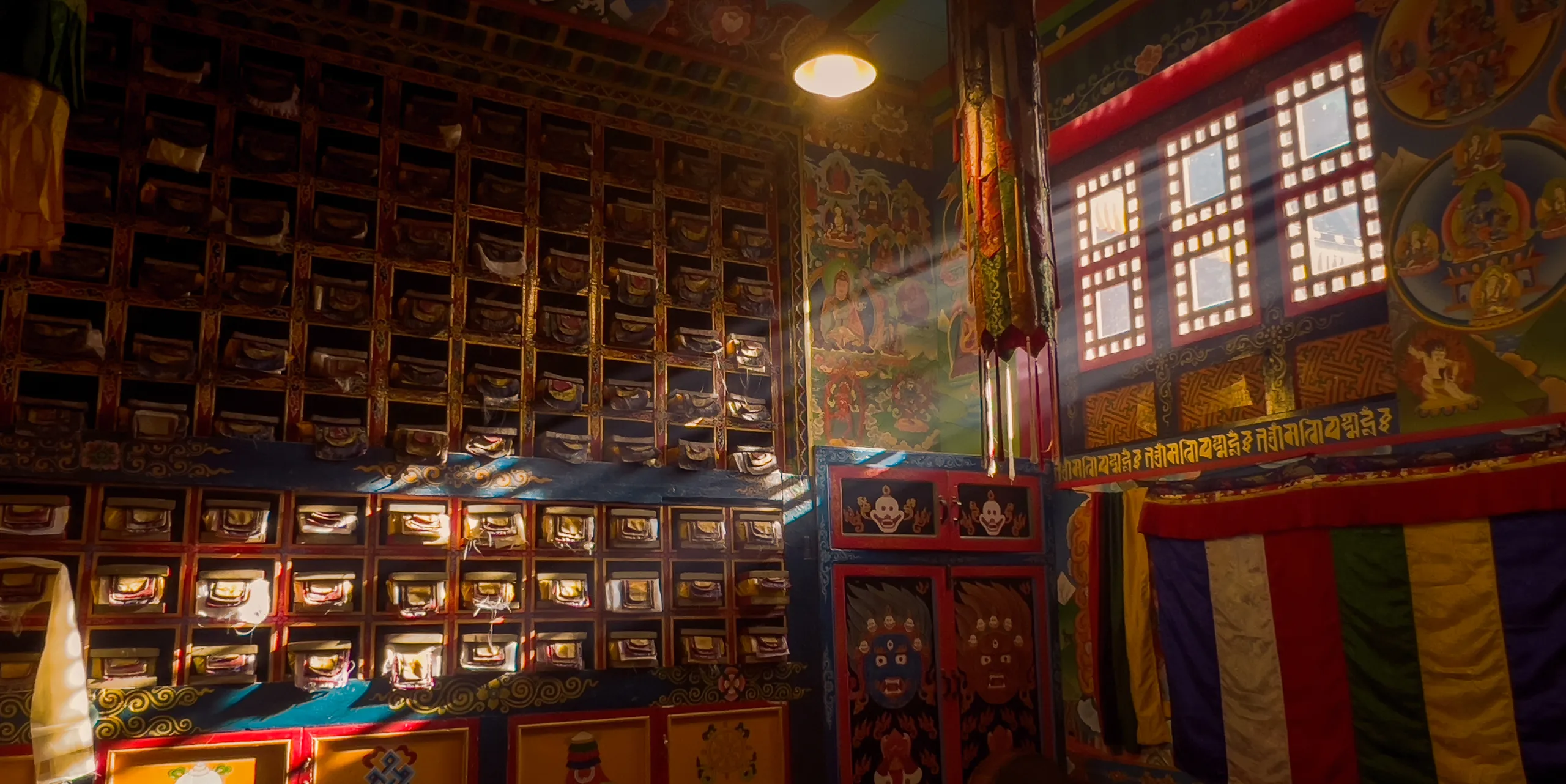
You descend through a more traditional Sherpa valley with a calmer pace and a distinctly local atmosphere. Thame is a beautiful village with strong cultural identity and an important monastery presence.
It’s a rewarding day because the trek begins to feel like it is turning home, but still culturally rich.
You follow the valley back toward the Khumbu’s main hub. Trails feel livelier again, and returning to Namche brings back comforts like bakeries, cafés, and a social trekking atmosphere.
This is also a satisfying mental milestone - you can feel the finish approaching.
A classic final trekking day back down the Dudh Koshi valley. You cross familiar suspension bridges and pass villages that now feel like old friends as the landscape becomes greener with lower altitude.
Arriving in Lukla is the traditional end-of-trek moment - time to celebrate and rest well before the flight.
Fly back to Kathmandu (direct or via Manthali depending on operations) and transfer to Kathmandu Guest House (KGH).
After weeks in the mountains, a hot shower, great food, and a relaxed evening in the city feels like a real reward.
A free day for rest, shopping, or optional sightseeing. This day also acts as a practical buffer in case flights out of Lukla were delayed by weather.
Keep it easy, enjoy a final meal in the city, and pack without stress.
Transfer to TIA for your onward flight home.
There aren’t any fixed departure dates set for this trek right now. This trek can still be done as a private trek, so please contact us to start planning it.
If you are looking to do this trip at your own custom dates or looking to customize this trip, please find more info and a trip request form by clicking on the button below.
What's Included:
What's Not Included:
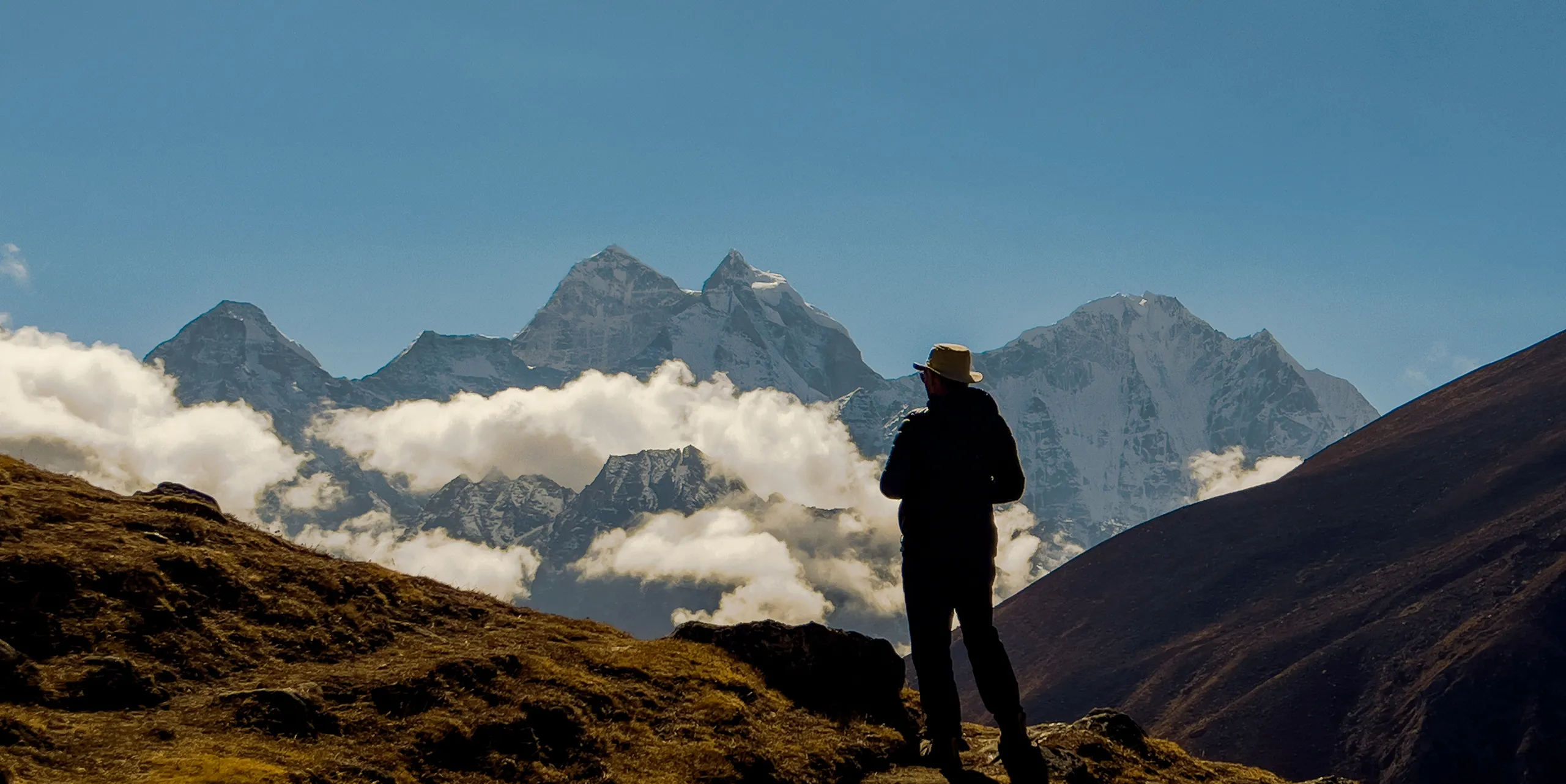
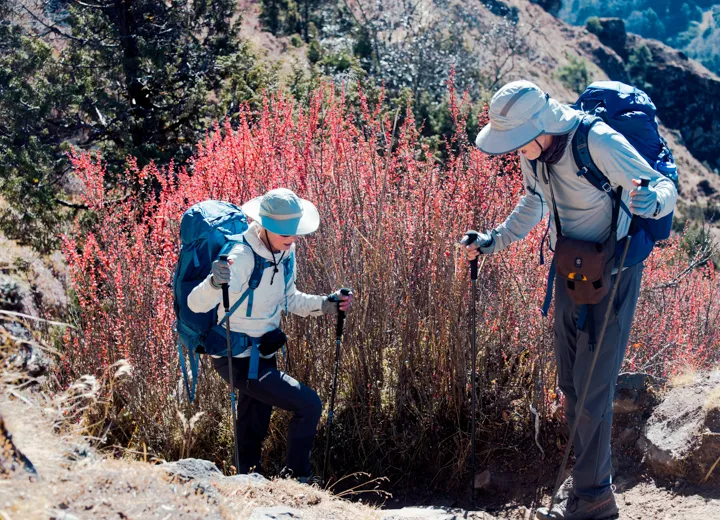
Every trail has its own heartbeat. Whether you’re wondering about the altitude, the pace, or the best time to see the rhododendrons, we’re here to give you the ground truth.
Tell us your experience level, and we’ll tell you if this is the right rhythm for you.
No automated bots or sales pressure. Just a direct line to our team on the ground in Kathmandu.
If you're looking to book this trip as a private trip as your own dates for you, friends or even family, please feel to get in touch with us! Being a private trip this trip is priced differently from Fixed-departure trips.
Price Per Person
1 Pax:
3380 /-
2-4 Pax:
2880 /-
5-8 Pax:
2280 /-
Please find the details on what's included & excluded under the 'Inclusions' sections.
The trips are completely customizable with options to include add-ons at the end of your trips, change itineraries to include different trails, or even upgrade accommodations & transports as per your choice. Please feel free to let us know what you require using the form next to this and well get back to you as soon as possible with a custom itinerary as well as updated prices!
Namaste!
Feel free to let us know what your requirements are and one of us will get back to you with suggestions!
Before you go...
We're here to help you find the perfect trek. Let us know what's on your mind.