Kanchenjunga Circuit Trek
From:
USD 3,080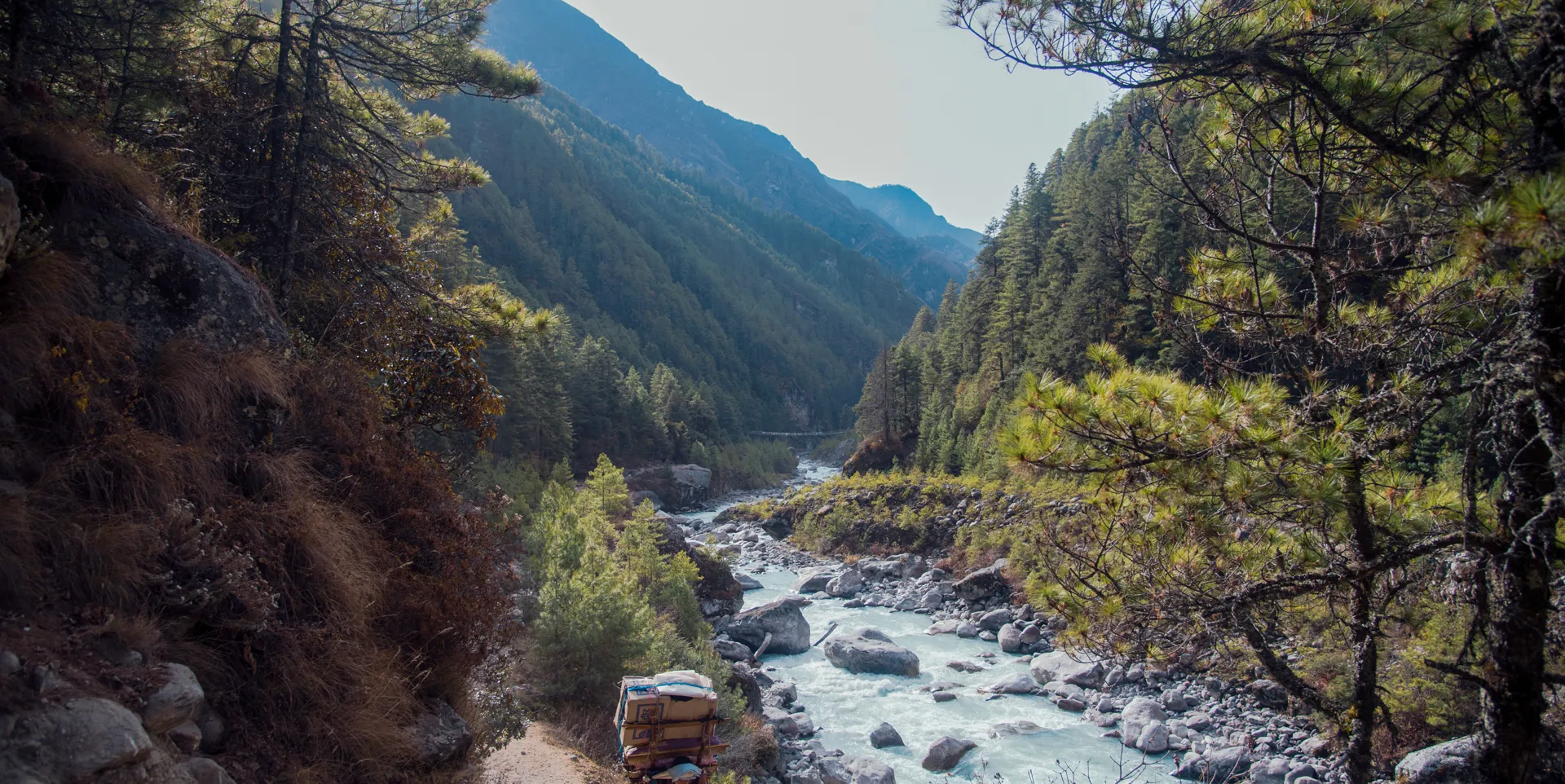
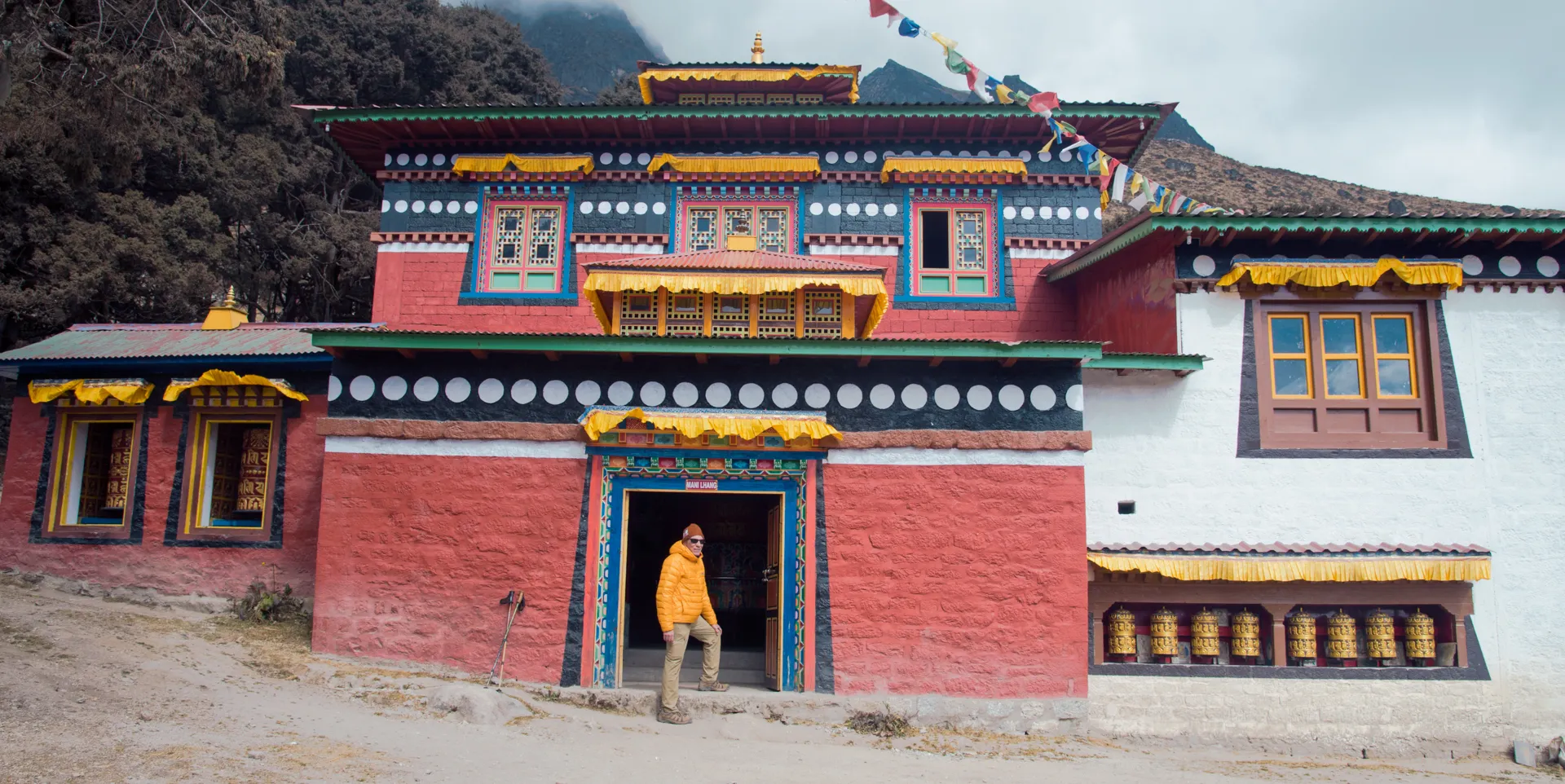
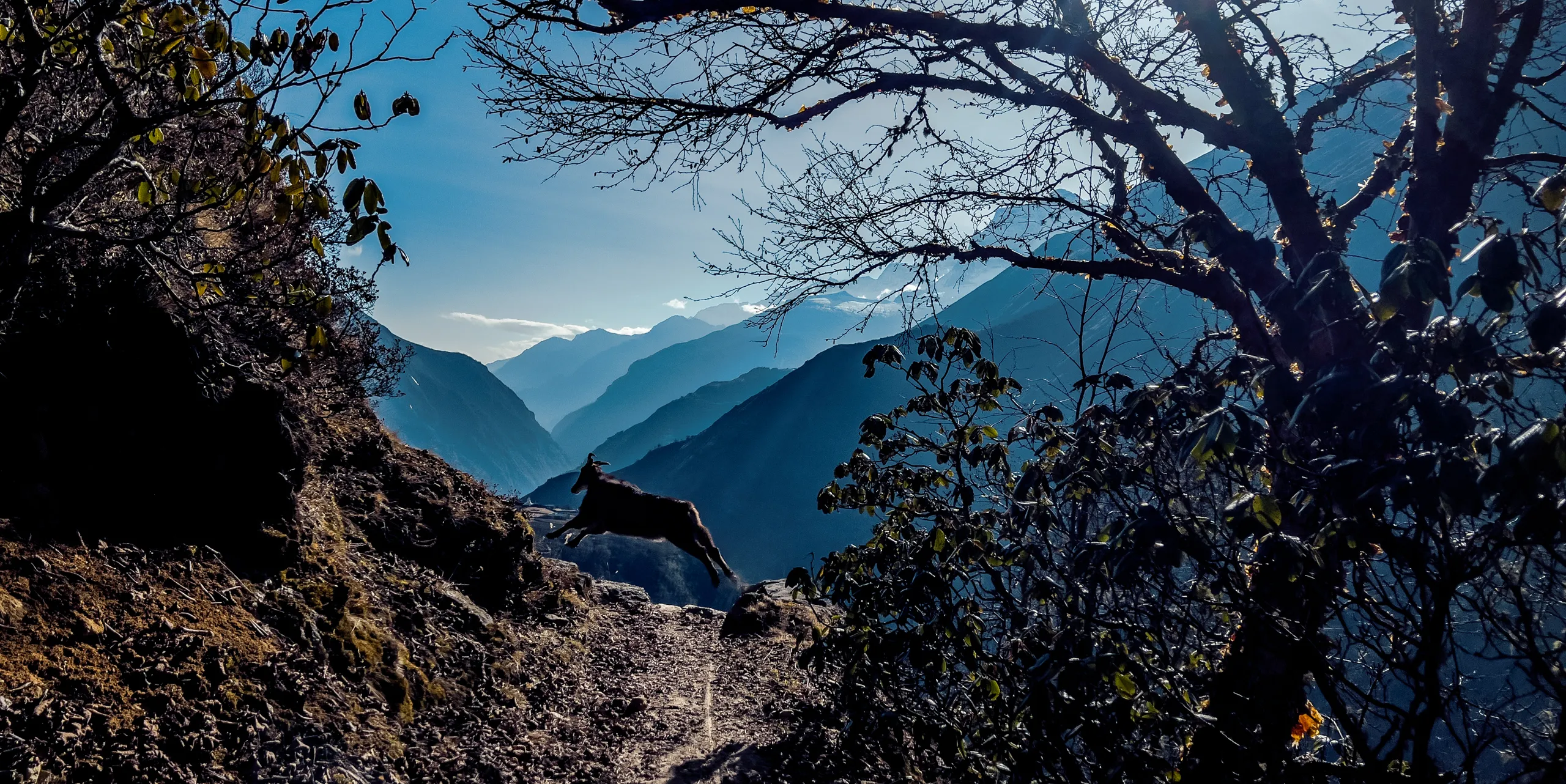
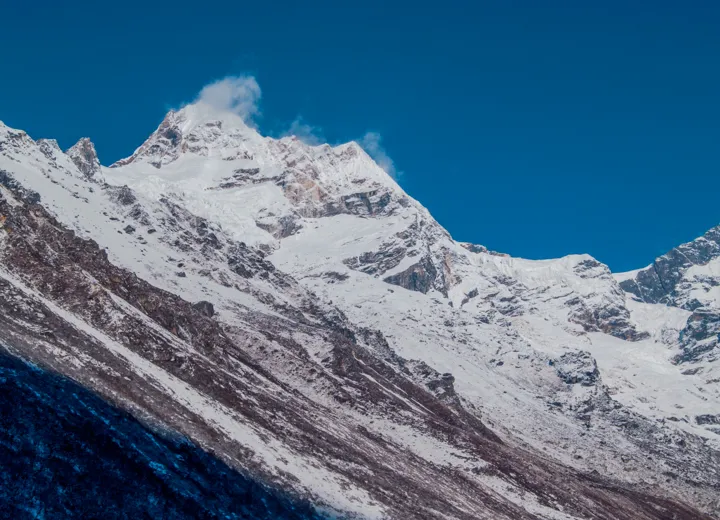
A rare eastern Nepal adventure to Pang Pema - Kanchenjunga’s North Base Camp in a truly remote Himalayan wilderness.
A rare eastern Nepal adventure to Pang Pema - Kanchenjunga’s North Base Camp in a truly remote Himalayan wilderness.
19 Days
5149 m
Moderate
Spring, Autumn
USD 2380
The Kanchenjunga Pang Pema Trek is one of Nepal’s most remote lodge treks, taking you deep into the Kanchenjunga region of eastern Nepal for the unforgettable day hike to Pang Pema (Kanchenjunga North Base Camp). You begin with Kathmandu support and preparation, then fly to Bhadrapur and travel into the tea hill country of Ilam before driving into Taplejung district and starting the trek near Sekathum. From there the trail follows river valleys and increasingly alpine terrain to the major high settlement of Ghunsa, then climbs higher to Kambachen and Lhonak, where the landscape turns stark and glacial.
A dedicated acclimatization day in Kambachen sets you up for a comfortable push to Lhonak and your day trip to Pang Pema (5,143m). After soaking in the base camp environment, you retrace the route back down through Ghunsa and the lower valleys, finishing with a drive out to Ilam and a flight back to Kathmandu. Accommodation is lodge based, but this is a very remote region – we choose the best available lodges and teahouses at each stop, while keeping expectations realistic for comfort and facilities.
Arrive in Kathmandu and transfer to Kathmandu Guest House (KGH). This day is kept light so you can rest, hydrate, and recover from travel. If you arrive with time, you can do a short walk nearby to get your first feel for the city and pick up any last essentials. In the evening, we keep things calm so you start the journey feeling fresh.
Today is your preparation and comfort day in Kathmandu at KGH. It can be used for a trek briefing, final packing, and checking anything you might need for a remote region trek. If you want, this day can also be used for Optional World Heritage Sightseeing, which fits well before the travel days begin. A good night’s sleep here helps a lot because the next few days involve long drives.
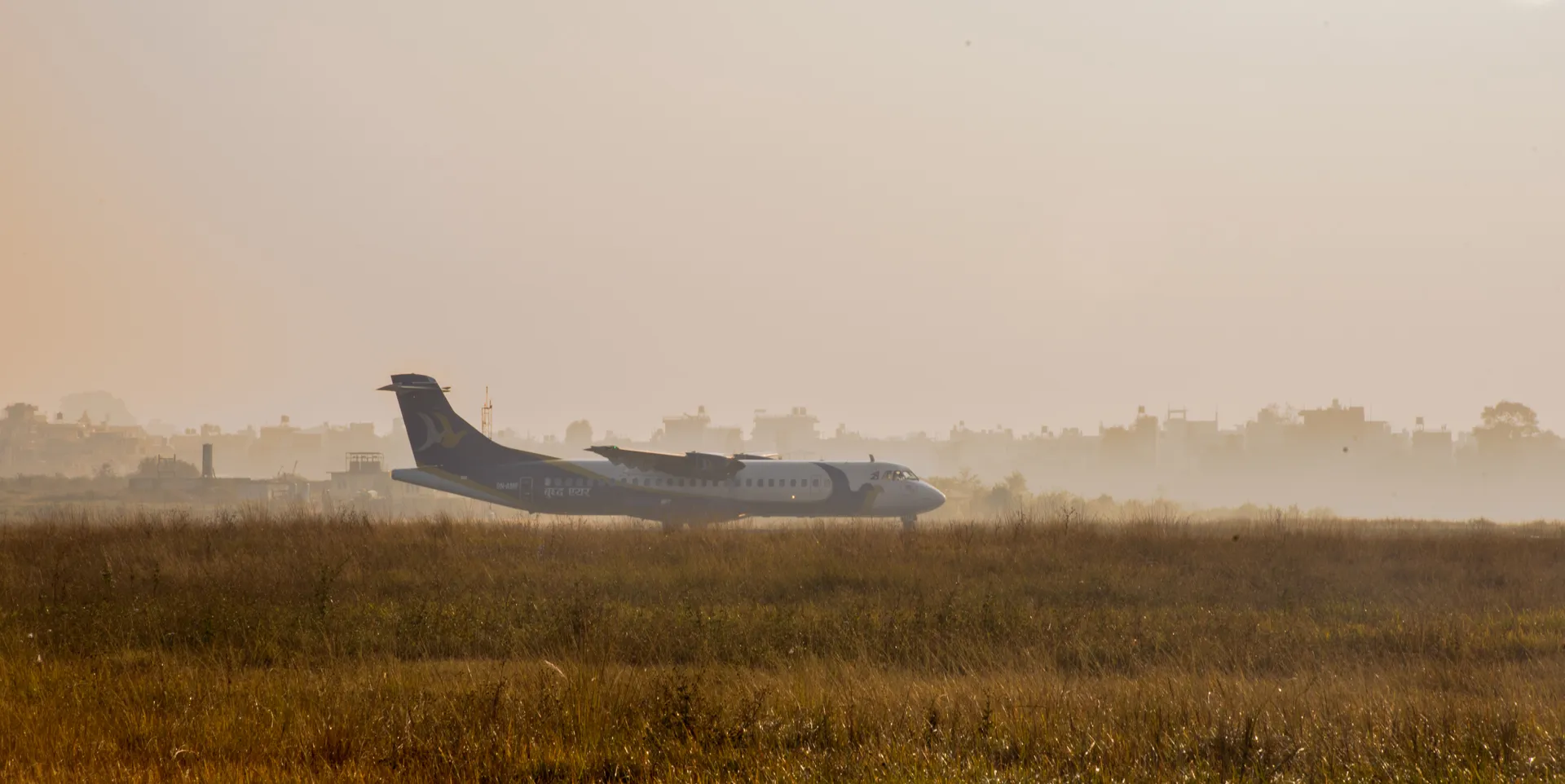
You fly to Bhadrapur in the lowlands of eastern Nepal, then begin the drive up into Ilam’s cooler hill country. The scenery changes quickly from flat plains into green ridges, terraced hillsides, and tea-growing landscapes that Ilam is famous for. This is a travel-heavy day, so we focus on a smooth pace and good rest on arrival. Ilam is a comfortable staging point before heading deeper into Taplejung district and the trekking corridor.
Today you drive deeper into the eastern hills toward the Kanchenjunga trail gateway. The road becomes more remote as you approach Taplejung district and the valleys that lead toward the trekking route. On many Kanchenjunga itineraries, this corridor includes checkpoints where permits are verified, so having documents ready is important. You arrive in Sekathum (Japantar), a key starting area where the trekking rhythm begins the next morning.
Your first trekking day follows the valley trail away from road access and into a quieter mountain corridor. The route typically stays close to rivers and forested slopes, with small settlements and simple teahouse stops along the way. Because this is the first full walking day, we keep the pace steady and comfortable while your body adjusts. Amjilosa is a small trekking stop that feels properly “in the mountains” and sets the tone for the days ahead.
The trail continues gradually higher with changing vegetation and a stronger mountain atmosphere. You move through forest sections and valley viewpoints as the route becomes quieter and more remote. This is a good day to settle into a consistent walking rhythm and keep hydration strong. Kyapra is a calm stop that helps you progress safely toward the higher Kanchenjunga villages.
Today you push into the upper valley toward Ghunsa, one of the trek’s major high settlements and an important hub on Kanchenjunga routes. The landscape begins to feel more alpine and the air cooler, with the sense of isolation increasing as villages become fewer. Ghunsa is also a natural place to rest, reorganize, and prepare for the higher section of the trek. The evening here often feels like a real expedition staging point.
You climb higher into a more rugged, alpine environment as you approach Kambachen. This section typically feels more open and stark than the lower forest days, and the trail can include rocky terrain and glacial valley scenery. Kambachen is a key acclimatization stop on the way to Lhonak and Pang Pema. After arrival, it is best to rest well and keep the evening simple.
A full rest and acclimatization day helps you adapt before moving higher into the Lhonak valley. This is not just “doing nothing” - it’s a chance for gentle exploration, hydration, and letting your body strengthen at altitude. Many trekkers use the time for short local walks and viewpoints depending on weather and energy, then return to the lodge for another night. Keeping the pace slow today is one of the best ways to make the base camp day more enjoyable.
You trek into higher, more remote terrain as you approach Lhonak, the last major settlement before Pang Pema. Lhonak is widely described around 4,780m and sits in a stark, dramatic high valley setting. The atmosphere here feels distinctly high Himalayan, with colder temperatures and a strong sense of being far from road access. After arrival, rest and hydration are the priority so you are ready for the base camp day.
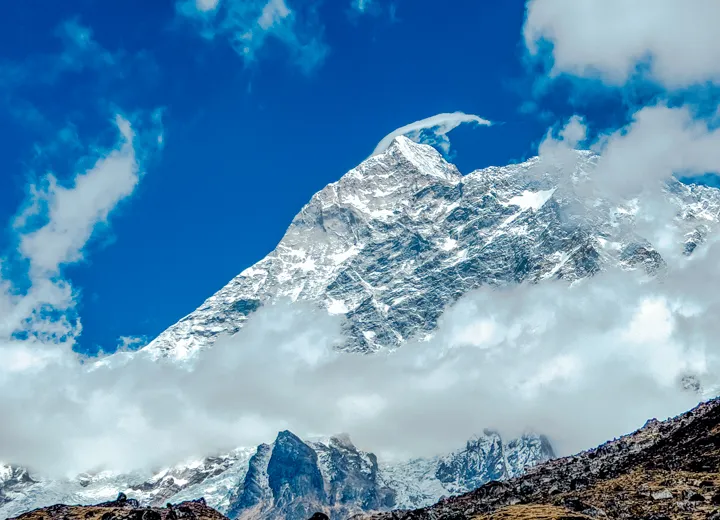
This is the signature day of the trek. You hike from Lhonak to Pang Pema, reaching Kanchenjunga North Base Camp at 5,143m, then return to Lhonak for the night. The landscape is high, open, and glacial in character, and the sense of remoteness is unforgettable. Because you return to Lhonak after the day trip, you get the achievement of the base camp without adding an even higher overnight
You begin descending from the highest valley back toward Ghunsa. The air becomes noticeably easier with each step down, and the landscape gradually transitions away from the stark high basin feel. This is a long but satisfying return day because it marks the shift from “expedition mode” back toward the main village hub. Once in Ghunsa, you usually feel more comfortable and ready to recover properly.
Continuing down-valley, the trek becomes greener and more sheltered, and the walking often feels more relaxed physically. You pass familiar route sections from the ascent, now with a different perspective as you descend. This is a good day to enjoy the calmer rhythm of the trail and steady progress toward lower villages. Kyapra makes a comfortable stop to break up the return journey.
You continue your descent through valley trails and forested sections, with warmer air and thicker vegetation returning. The village-to-village feel becomes stronger again as you approach lower settlements. This is also a good day for recovery - your appetite often returns strongly at this altitude. Amjilosa is a familiar overnight point that keeps the return route well paced.
Today you complete the last trekking stage back to Sekathum and then transition to a drive out toward Taplejung. The shift from trail to vehicle feels like a clear “trek complete” moment, even though the adventure continues through the hills. Because the road is remote, we keep expectations practical and focus on safety and comfort. Taplejung is a key district town for the region and a logical staging point for the journey back toward flights.
You drive back toward Ilam through eastern hill landscapes, passing rural settlements and long ridgelines. After many days in remote mountain lodges, Ilam usually feels more comfortable and settled. This is a good day to recover, organize gear, and enjoy a slower pace again. A calm evening here makes the flight day smoother.
You travel back to Bhadrapur and fly to Kathmandu, then transfer to Kathmandu Guest House (KGH). After the remoteness of the Kanchenjunga region, returning to city comfort is a real reward. This evening is ideal for a long shower, a great meal, and proper rest. It is also a practical day to begin packing calmly for your onward travel.
A full free day in Kathmandu at KGH, which can be used for Optional World Heritage Sightseeing if you want to end the trip with culture and history. It also works as a buffer day in case domestic travel days shift. Many travelers use this day for souvenirs, a final celebratory dinner, and relaxed packing. Keeping this day unhurried makes departure day feel easy.
We transfer you to Tribhuvan International Airport (TIA) for your flight home. If your flight is later in the day, you can still enjoy a calm breakfast and final moments in Kathmandu. The trip ends with a smooth airport run and support until check-in time
There aren’t any fixed departure dates set for this trek right now. This trek can still be done as a private trek, so please contact us to start planning it.
If you are looking to do this trip at your own custom dates or looking to customize this trip, please find more info and a trip request form by clicking on the button below.
What's Included:
What's Not Included:
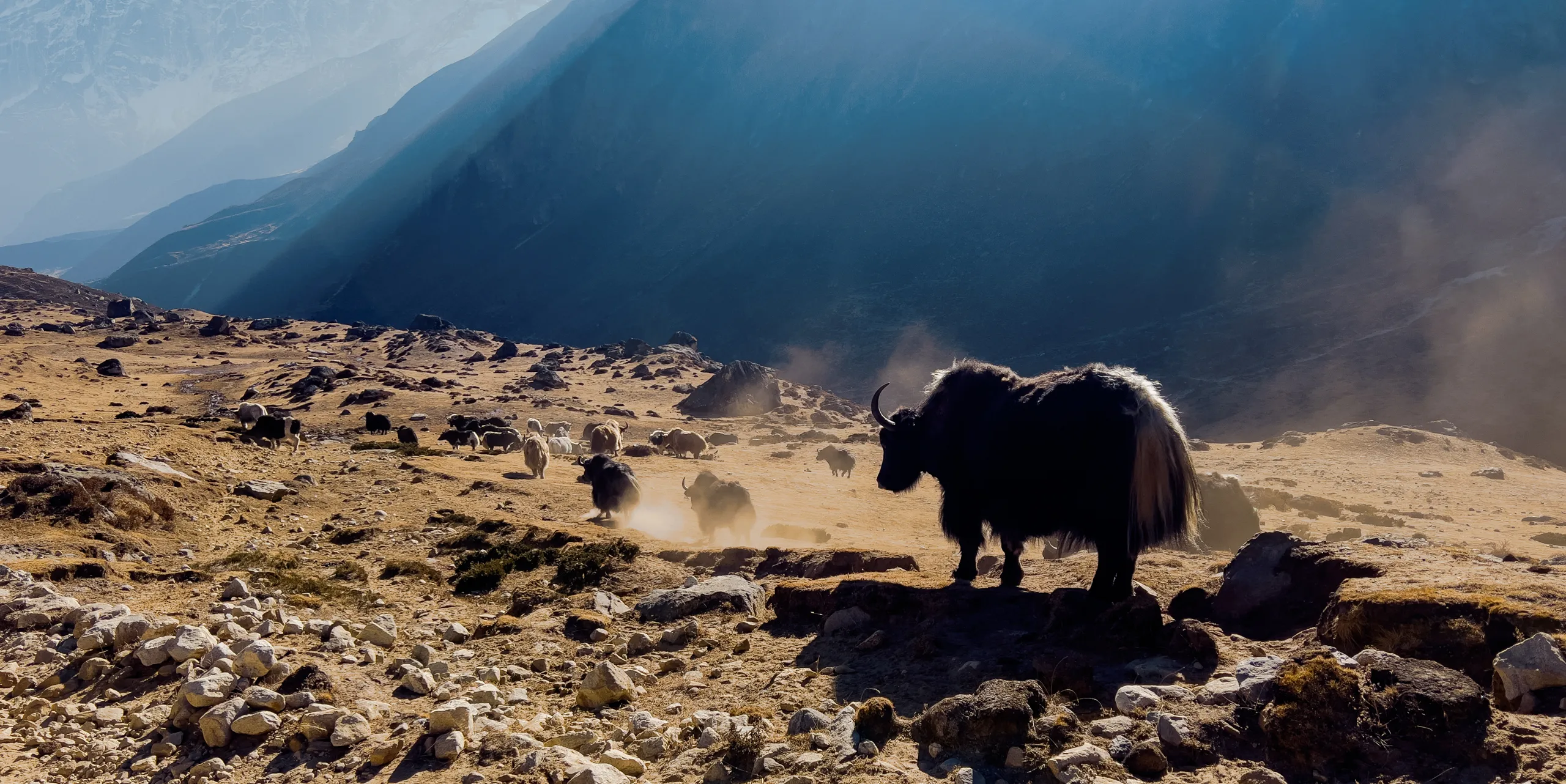
Every trail has its own heartbeat. Whether you’re wondering about the altitude, the pace, or the best time to see the rhododendrons, we’re here to give you the ground truth.
Tell us your experience level, and we’ll tell you if this is the right rhythm for you.
No automated bots or sales pressure. Just a direct line to our team on the ground in Kathmandu.
If you're looking to book this trip as a private trip as your own dates for you, friends or even family, please feel to get in touch with us! Being a private trip this trip is priced differently from Fixed-departure trips.
Price Per Person
1 Pax:
2780 /-
2-4 Pax:
2380 /-
5-8 Pax:
2080 /-
Please find the details on what's included & excluded under the 'Inclusions' sections.
The trips are completely customizable with options to include add-ons at the end of your trips, change itineraries to include different trails, or even upgrade accommodations & transports as per your choice. Please feel free to let us know what you require using the form next to this and well get back to you as soon as possible with a custom itinerary as well as updated prices!
Namaste!
Feel free to let us know what your requirements are and one of us will get back to you with suggestions!
Before you go...
We're here to help you find the perfect trek. Let us know what's on your mind.