Kanchenjunga Circuit Trek
From:
USD 3,080
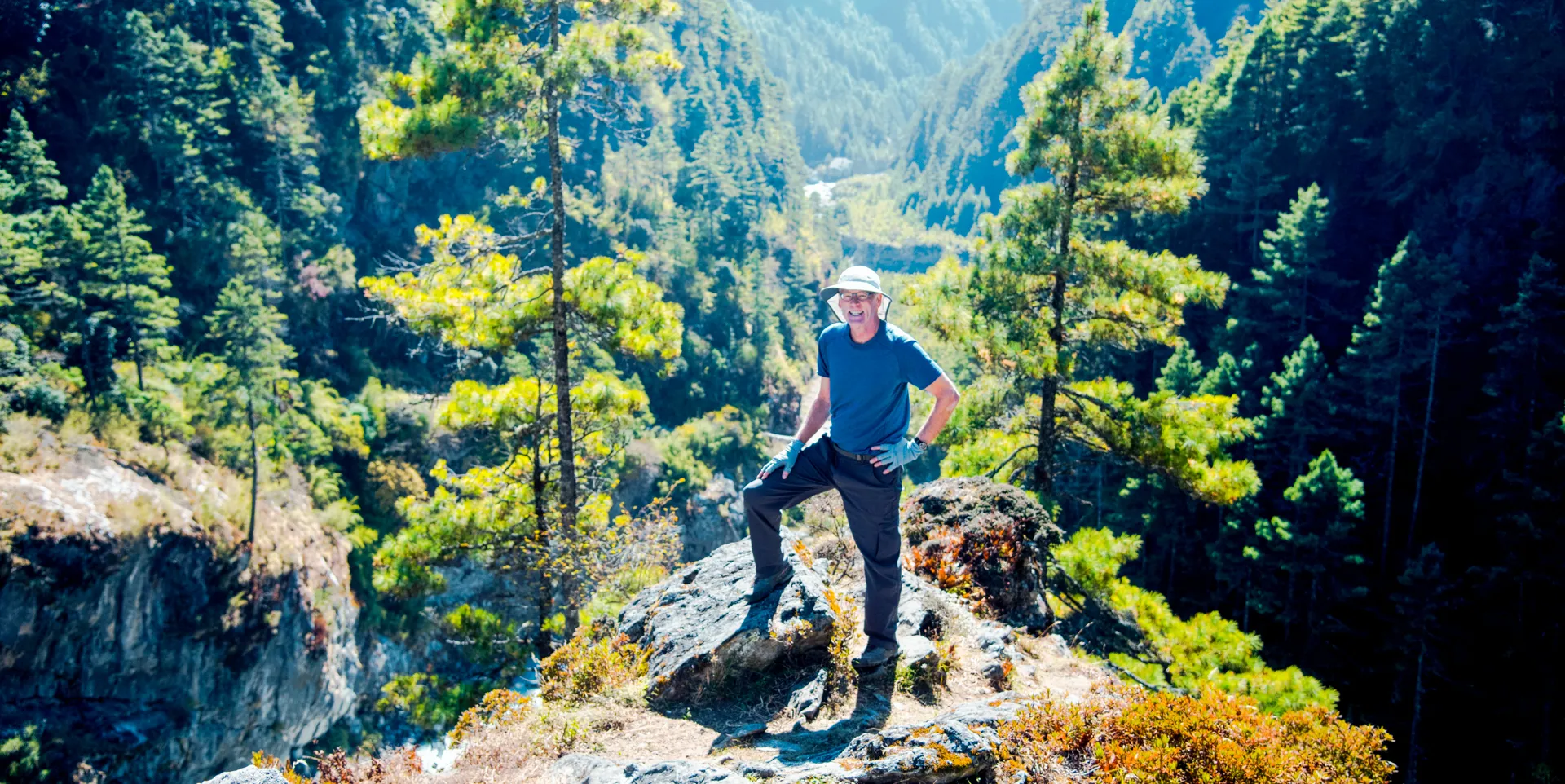
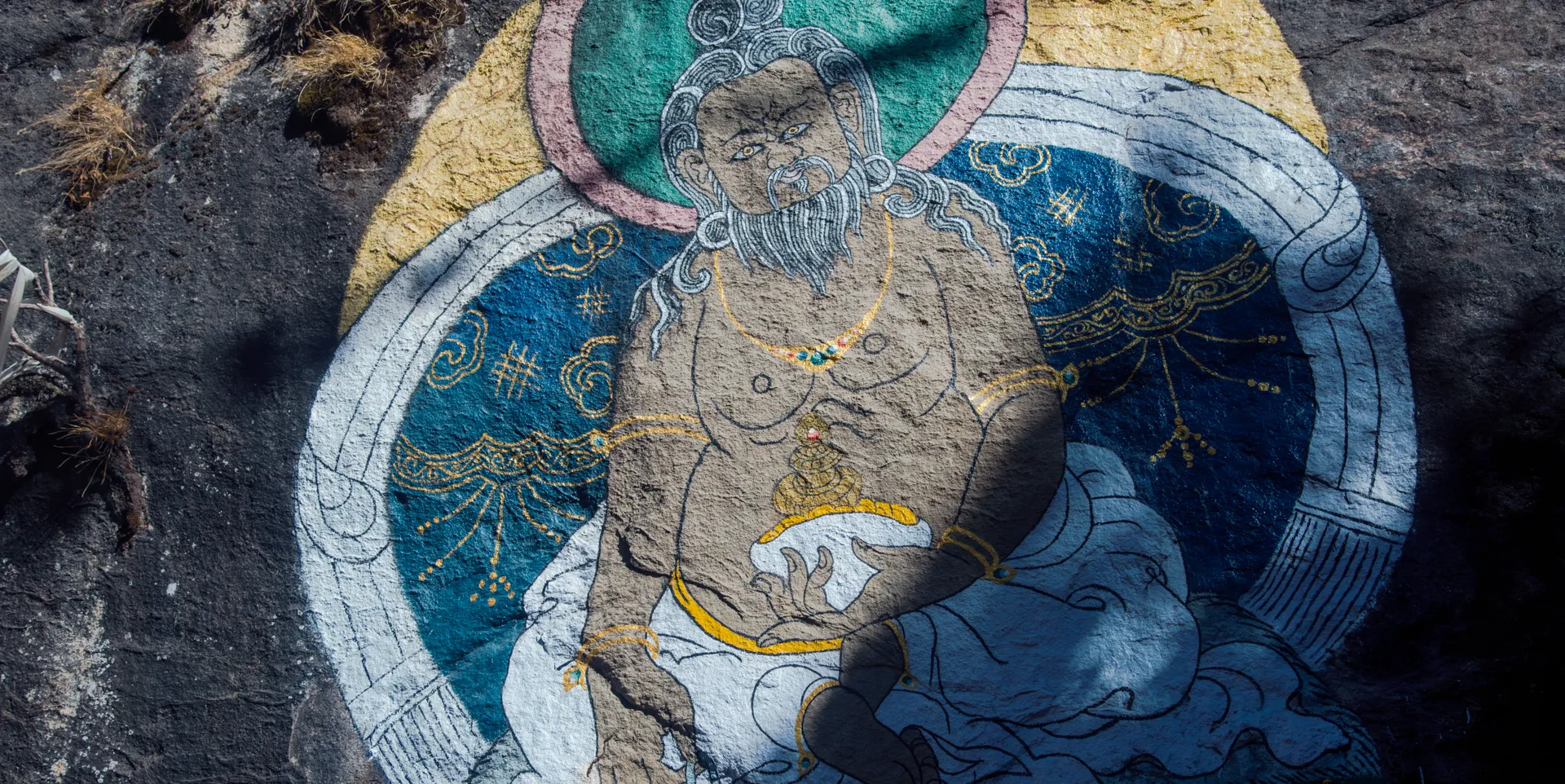
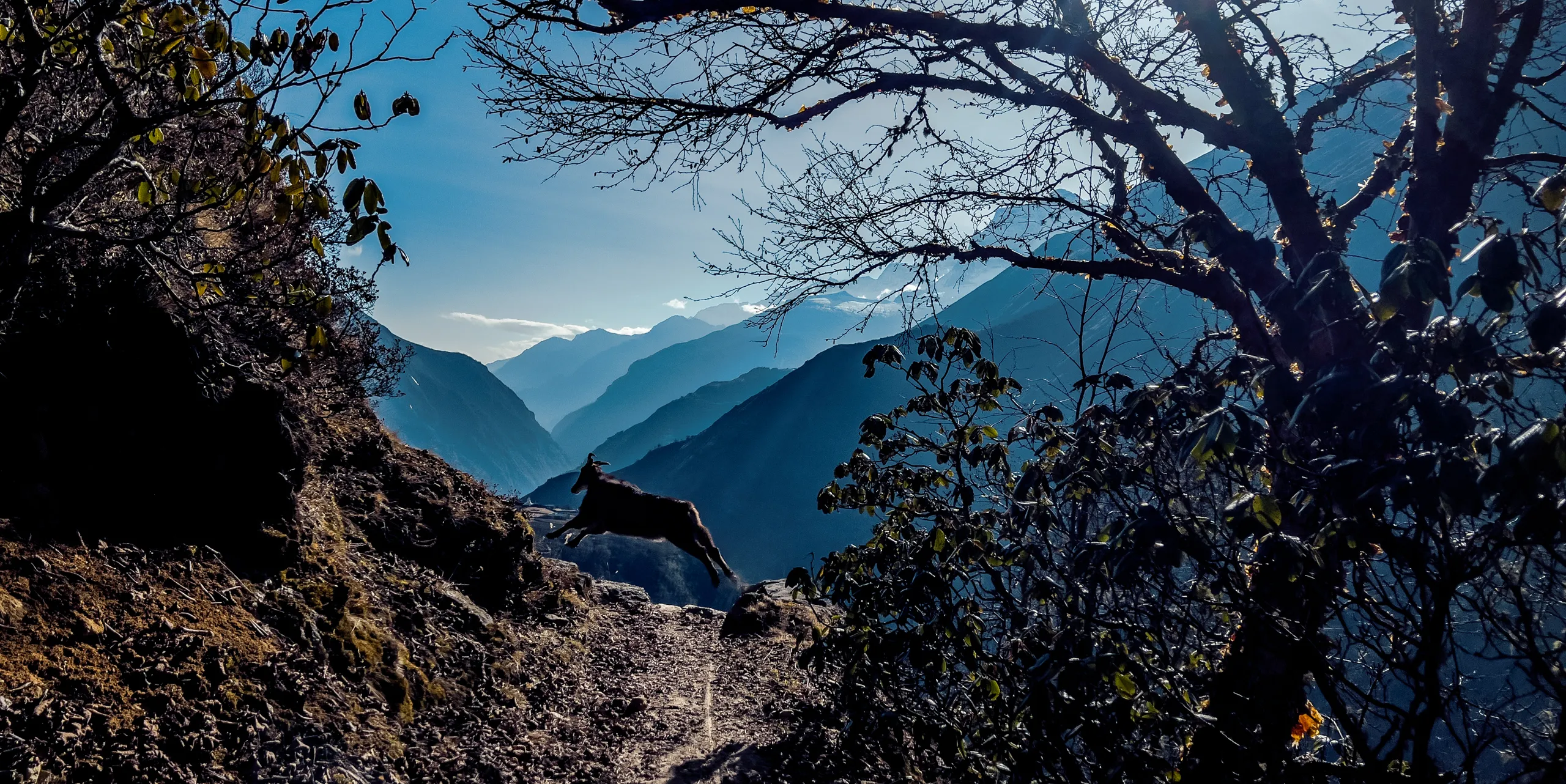
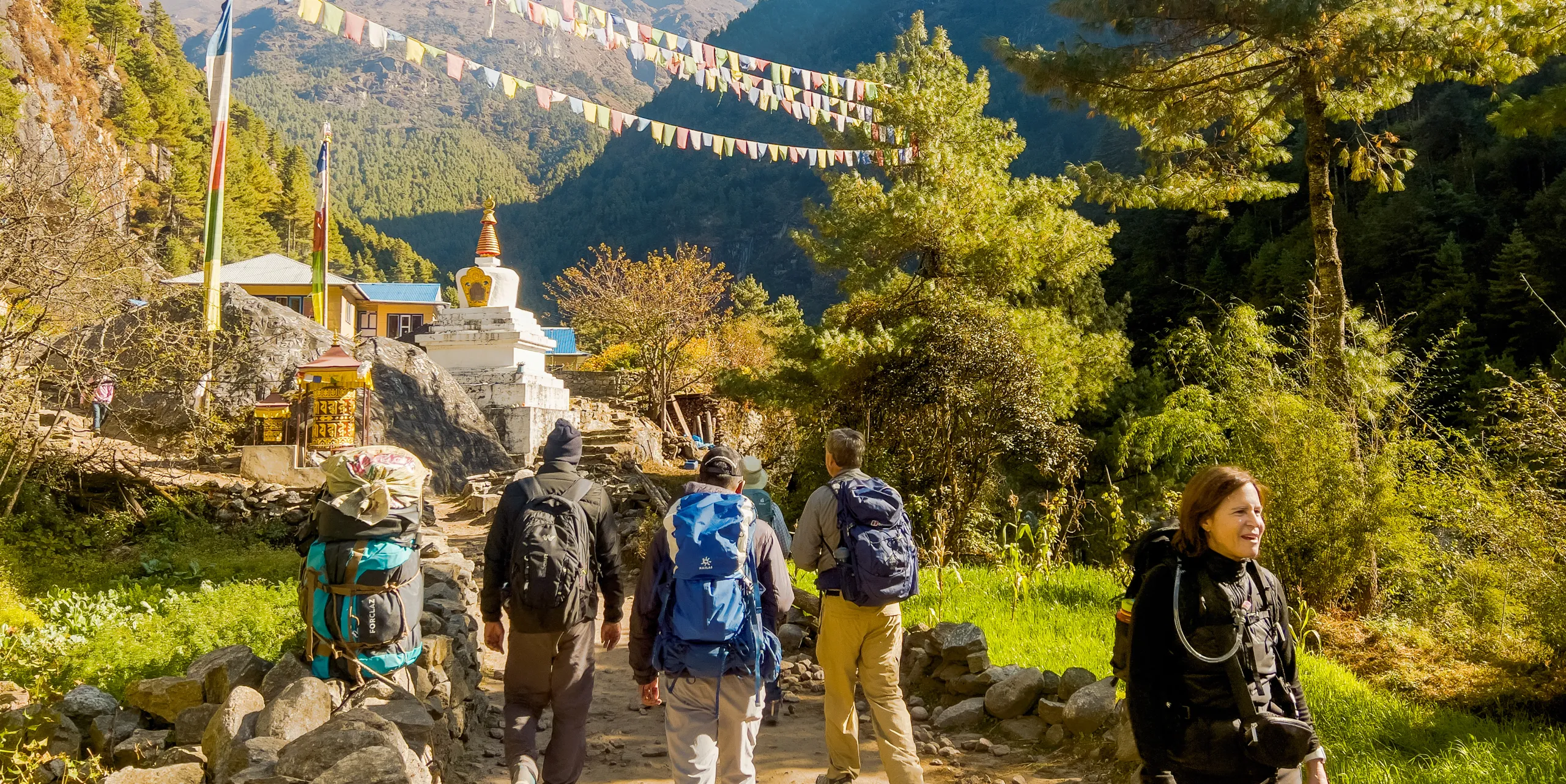
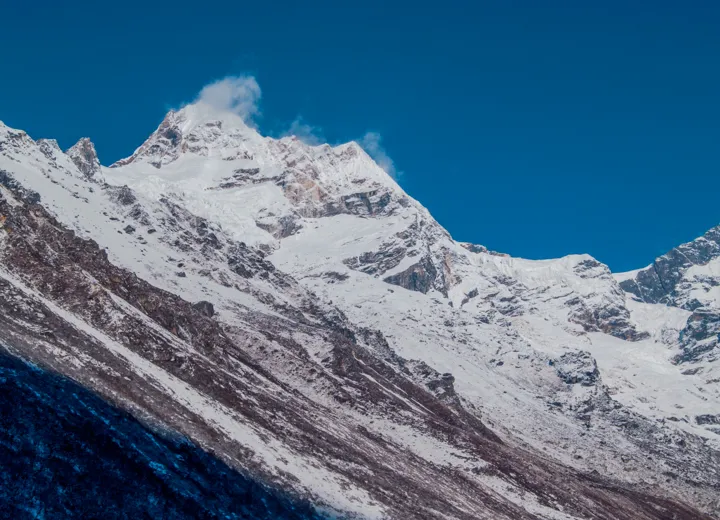
A remote wilderness trek into Makalu Barun - high passes, the Barun Valley, and Makalu Base Camp beneath the world’s 5th-highest peak.
A remote wilderness trek into Makalu Barun - high passes, the Barun Valley, and Makalu Base Camp beneath the world’s 5th-highest peak.
19 Days
5150 m
Challenging
Spring, Autumn
USD 2480
Makalu Base Camp is one of Nepal’s most remote lodge treks, built for trekkers who want real wilderness, fewer crowds, and dramatic mountain terrain. You fly to Tumlingtar, drive to Num, and begin trekking through warmer mid-hills and forested trails before climbing into the high ridge system of Khongma and the famous pass day that links you into the Barun Valley. From there the route becomes increasingly alpine as you move through Yangle Kharka and Langmale toward Makalu Base Camp at 4,870m.
At base camp, you have time to explore the glacial basin and take a day hike to a nearby ridge for broader views (weather dependent). Many trek descriptions highlight panoramas of Makalu and surrounding giants, and some routes also mention distant Everest-Lhotse views from viewpoints in the area. This itinerary then retraces the route back out through the Barun Valley and the high passes, finishing with a drive back to Tumlingtar and a flight to Kathmandu.
Arrive in Kathmandu and transfer to Kathmandu Guest House (KGH). The day is kept light so you can rest, hydrate, and recover from travel. If you arrive early, you can take a short walk nearby for a first feel of the city and pick up any last essentials. In the evening, we keep things calm and focus on good sleep before the domestic flight and long drive days.
This day can be used for a trek briefing, final packing, and checking anything you might need for a remote lodge trek. If you want, it also works perfectly as an Optional World Heritage Sightseeing day since you still have time and energy before the travel stage begins. It’s a good day to sort out layering systems and trekking snacks because services get limited once you enter the Makalu region. A relaxed evening helps set you up well for the flight tomorrow.
You fly to Tumlingtar, the key gateway for Makalu-Barun treks, then continue by road toward Num. The drive takes you through eastern Nepal’s hill landscapes, with greener valleys and more rural settlement life as you move away from main highways. Num is a classic ridge-top trailhead and feels like the real “start line” for the trek. After arrival, the focus is on resting well because the first few trekking days build gradually but steadily.
Your first trekking day drops into and across the warm, green hillsides of the Arun-side terrain, often through forest and farm country. This lower section feels very different from the high Himalaya later on - humid air, dense vegetation, and a strong rural rhythm. Seduwa is a commonly used early lodge stop, and it’s a practical place to settle into a trekking routine and dial in pacing. Hydration matters here because the next days start climbing more consistently.
Today you climb higher through quieter terrain where the forest zone begins to feel cooler and more “mountain” in character. The trail often moves between woodland sections and open clearings that hint at higher ridges ahead. Danda Kharka is commonly used as a staging stop on the way toward the Khongma ridge system. This is also where you begin feeling the trek’s remoteness more strongly - fewer villages, fewer distractions, and longer stretches of pure trail.
The route continues upward toward the high ridge area commonly known as Khongma Danda, a strategic stop before the big pass day into the Barun Valley. Many itineraries place Khongma Danda around the 3,500m zone (some sources vary slightly), and the overnight here is primarily about acclimatization and preparation. The forest can be dense in places, especially with rhododendron and fir, and conditions can feel colder and windier as you gain the ridge. An early dinner and good rest are recommended because tomorrow is one of the most defining days of the trek.
This is the trek’s major “pass day” and a highlight for both challenge and scenery. You cross a series of high passes as listed in your itinerary - Kongma La (3,890m), Shipton La (4,200m), and Keke La (4,170m) - linking the ridge system into the Barun Valley side. Weather can change quickly here and snow or ice is possible depending on season, so steady pacing and careful footing are essential. Dobato (also written Dobate) is the common overnight area after the crossings, but published lodge elevations vary by source and lodge location.
You descend into the Barun Valley corridor where the landscape becomes wider and more open, with a strong sense of wilderness. The route generally follows the Barun River upstream, and the day has a very “valley expedition” feel compared to the ridge days behind you. Yangle Kharka is a classic staging stop in this valley and is frequently listed around 3,557m. After arrival, it’s best to keep the evening calm and focus on recovery, because altitude starts to feel more noticeable from here onward.
Today you continue deeper into the upper Barun Valley where the environment becomes more alpine and the trail feels more exposed. Langmale Kharka is commonly described as a high grazing area and an overnight stop around 4,410m, often used as the final staging point before base camp. The landscape here feels stark and spacious, with fewer signs of settlement life and a strong high-mountain atmosphere. Because you are sleeping significantly higher now, steady pacing and hydration matter more than speed. The afternoon is best used for rest and preparation for the base camp push.
This is your arrival day at Makalu Base Camp, the trek’s main destination at 4,870m. The trail moves into a truly glacial landscape, and the feeling becomes distinctly “expedition” as you enter the base camp basin beneath Makalu. On clear days, this area is widely described as offering dramatic views of Makalu and surrounding peaks, with the Barun Glacier environment adding to the scale. After reaching base camp, the key is to rest well, stay warm, and keep the evening simple so you enjoy tomorrow’s exploration day.
This day is designed for exploration and for soaking in the setting rather than rushing. Many itineraries include a day hike to a nearby ridge or viewpoint above base camp for wider perspectives over the glacier basin and surrounding mountains. Some trek descriptions also mention that, in clear conditions from certain viewpoints in the area, you can look toward the Everest-Lhotse skyline in the distance. You return to base camp for another night, which is valuable for recovery before the long descent begins. Keep the day flexible because weather is everything at this altitude.
You begin descending the same route you came up, and the day often feels physically easier as oxygen gradually improves. The landscape shifts back toward the upper valley’s grazing areas, and the return perspective makes familiar sections feel new. Yangle Kharka is a comfortable and logical stop for the first night down, helping the descent feel well paced rather than rushed. This is also a good day to focus on steady knees-and-ankles rhythm, since downhills can be more taxing than climbs. A warm meal and early rest here set you up well for the next climb back over the ridge area.
You continue retracing the route and gradually climb back toward the ridge-and-pass zone, depending on the exact trail conditions and the lodge used. The terrain often alternates between valley walking and steeper sections that pull you back into higher ground. Dobato is again the staging area used in many itineraries before or after the high passes. This day is about strong pacing and layering, because weather can swing quickly once you leave the sheltered valley. A calm evening helps keep energy steady for the next day’s pass recrossing.
You cross back over the high ridge passes in reverse, then descend toward the warmer forest zone. This day often feels like a major turning point because you start leaving the high alpine world behind. The scenery shifts back toward woodland, and the air begins to feel noticeably richer. Danda Kharka makes a practical overnight to break up the descent and keep the return route comfortable. You’ll usually feel sleep and appetite improving here compared to the base camp section.
Today you descend toward the last permanent settlement area that most Makalu Base Camp itineraries use before the high ridge system. Tashigaon is widely used as the “gateway village” for the upper section and is often listed around the low 2,000m range (many itineraries cite about 2,100m). The day feels warmer and more social again as village life becomes more present along the trail. It’s also a satisfying psychological milestone because you can feel the expedition phase clearly behind you. A relaxed evening here is perfect for recovery and reflection.
You continue descending through forest and farm-country trails as the trek transitions back into greener mid-hill terrain. The day usually feels easier on breathing, but it can still be long on the legs due to sustained downhill walking. Seduwa is a comfortable return stop and a clear sign that you are nearing road access again. This evening is a good time to reorganize gear for the drive out the next day and enjoy a final quiet night in the trekking corridor.
You transition from trekking back to road travel and drive to Tumlingtar for the flight out. The route takes you back through eastern hill landscapes and deeper valleys, reversing the approach that brought you in. Tumlingtar Airport is low elevation and official sources list it around 401m. After the intensity of the high mountains, the warmer air and easier breathing feel immediate. An early night is recommended so the flight day runs smoothly.
You fly back to Kathmandu and transfer to Kathmandu Guest House (KGH). After days of remote trails, a hot shower, comfortable bed, and great food feel like a real reward. This day is also ideal for a relaxed celebratory dinner and a slow evening. If you want, you can use the time for light souvenir shopping or café stops, but there’s no need to rush. Rest well and pack calmly for departure
We transfer you to Tribhuvan International Airport (TIA) for your onward flight home. If your flight is later in the day, you can still enjoy a calm breakfast and final moments in Kathmandu. The trip ends with a smooth airport run and support until check-in time.
There aren’t any fixed departure dates set for this trek right now. This trek can still be done as a private trek, so please contact us to start planning it.
If you are looking to do this trip at your own custom dates or looking to customize this trip, please find more info and a trip request form by clicking on the button below.
What's Included:
What's Not Included:
Every trail has its own heartbeat. Whether you’re wondering about the altitude, the pace, or the best time to see the rhododendrons, we’re here to give you the ground truth.
Tell us your experience level, and we’ll tell you if this is the right rhythm for you.
No automated bots or sales pressure. Just a direct line to our team on the ground in Kathmandu.
If you're looking to book this trip as a private trip as your own dates for you, friends or even family, please feel to get in touch with us! Being a private trip this trip is priced differently from Fixed-departure trips.
Price Per Person
1 Pax:
2780 /-
2-4 Pax:
2480 /-
5-8 Pax:
2180 /-
Please find the details on what's included & excluded under the 'Inclusions' sections.
The trips are completely customizable with options to include add-ons at the end of your trips, change itineraries to include different trails, or even upgrade accommodations & transports as per your choice. Please feel free to let us know what you require using the form next to this and well get back to you as soon as possible with a custom itinerary as well as updated prices!
Namaste!
Feel free to let us know what your requirements are and one of us will get back to you with suggestions!

Before you go...
We're here to help you find the perfect trek. Let us know what's on your mind.